

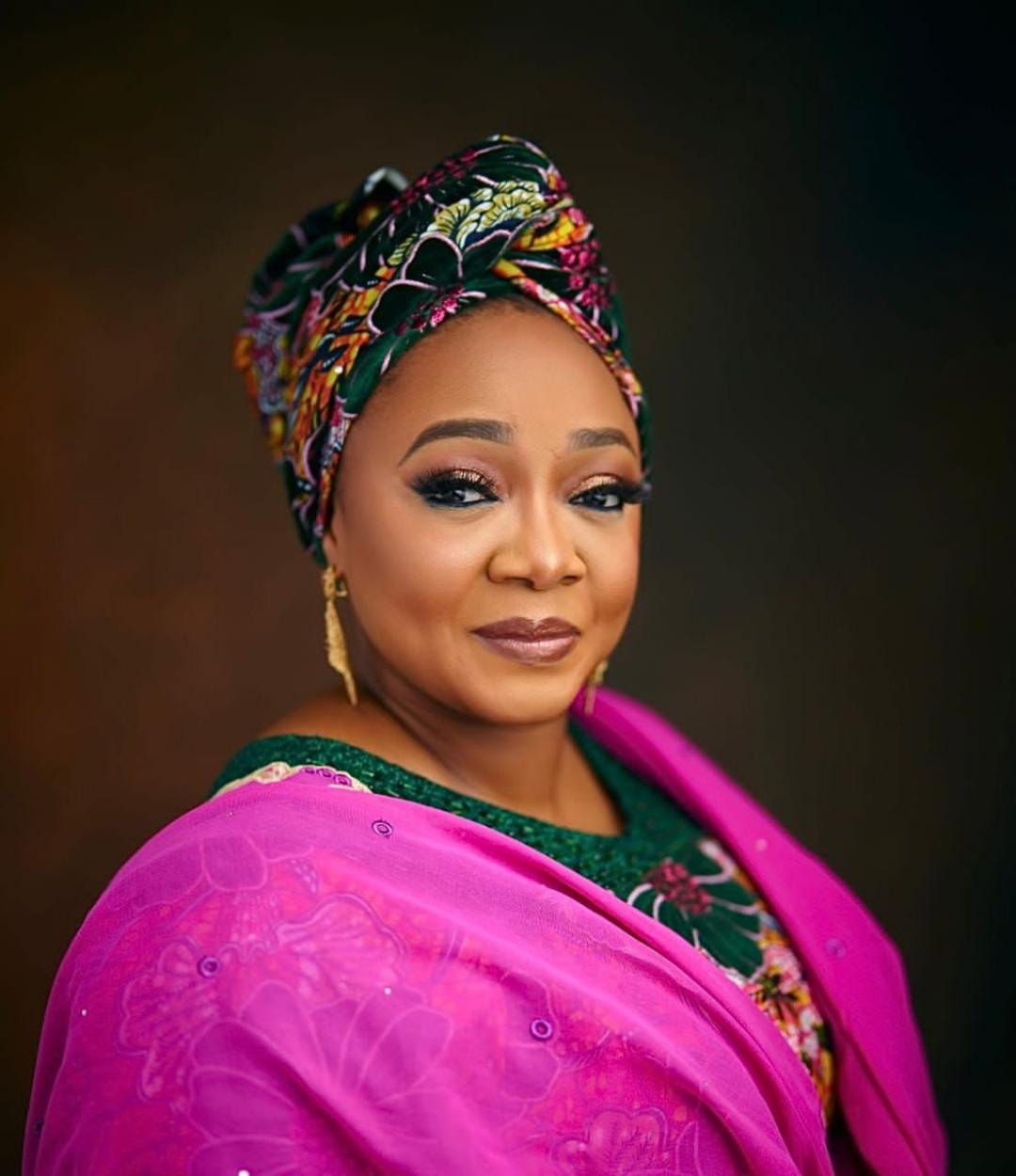
The Minister of Women Affairs, Hajiya Imaan Sulaiman-Ibrahim, has declared that the proposed Special Seats Bill for women is not an act of benevolence but a constitutional necessity to redress Nigeria’s longstanding gender imbalance in governance.
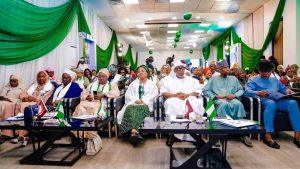
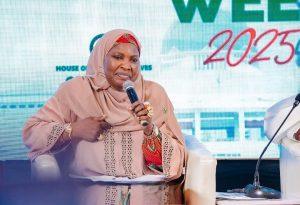
She made the statement on the second day of the House of Representatives’ Open Week, during the First Interactive Dialogue Session on the Reserved Seats for Women Bill, chaired by the Speaker, Tajudeen Abbas.
“This is not about favour. It is about justice, representation, and a constitutional correction long overdue—to ensure democracy works for all citizens and the sustainable development of Nigeria,” she said.
The Minister praised President Bola Ahmed Tinubu and First Lady Senator Oluremi Tinubu for championing gender equality under the Renewed Hope Agenda, describing it as “a bold and inclusive pathway for Nigerian women, children, and families.”
She also commended the Speaker of the House for advancing inclusive lawmaking by placing the Special Seats Bill on the national agenda.
“This bold inclusion signals a new era of inclusive lawmaking, where equity and justice are not sidelined, but championed,” she stated.
Represented at the event by Hajiya Zainab Ibrahim, APC Woman Leader and National Secretary of the Inter-party Advisory Council, the Minister singled out Deputy Speaker Benjamin Kalu for his unwavering advocacy.
“His leadership has been instrumental in mobilising critical support for this cause, and we acknowledge his courage and partnership,” she said.
The Minister extended appreciation to the leadership of both chambers of the National Assembly and applauded key figures, including Senator Ireti Kingibe, Hon. Kafilat Ogbara, and Hon. Fati Talba, for their dedication to advancing women’s political representation.
She cited alarming statistics on the current state of gender representation in Nigeria’s political landscape.
“In the 10th National Assembly, only 4 women serve in the Senate and 17 in the House of Representatives—just 21 out of 469 legislators, representing a mere 4.5%,” she noted.
“At the state level, only 48 women were elected into the Houses of Assembly in 2023, out of over 1,000 female candidates—just 4.7% representation. Even more concerning, 13 states currently have no female legislators at all,” she added.
In a passionate appeal, the Minister questioned the consequences of excluding women from lawmaking.
“When no woman sits at the table, their stories remain untold, their needs unmet, their futures uncertain. If not women, who? If not now, when will justice finally come?” she asked.
She concluded by calling on lawmakers, civil society, and the media to unite behind the bill and deliver “a legacy of inclusive governance for generations to come.”
“Let it be said that Nigeria chose wisdom over exclusion, that we opened the door to 100 million dreams while planting equity in the heart of democracy. The Special Seats Bill will not just empower women—it will strengthen homes, inform policy, nurture peace, and ignite the full genius of our nation,” she said.
Overview
The Special Seats Bill seeks to address the persistent underrepresentation of women in Nigeria’s legislature through a constitutional amendment that would create women-only seats in the National Assembly and State Houses of Assembly.
The proposal is structured as a Temporary Special Measure (TSM) aimed at accelerating women’s political inclusion and diversifying legislative decision-making without displacing existing seats.
If passed, the amendment would add 74 women to the National Assembly and 108 to State Assemblies, with the seats filled by direct election and subject to review after 16 years.
PIAK