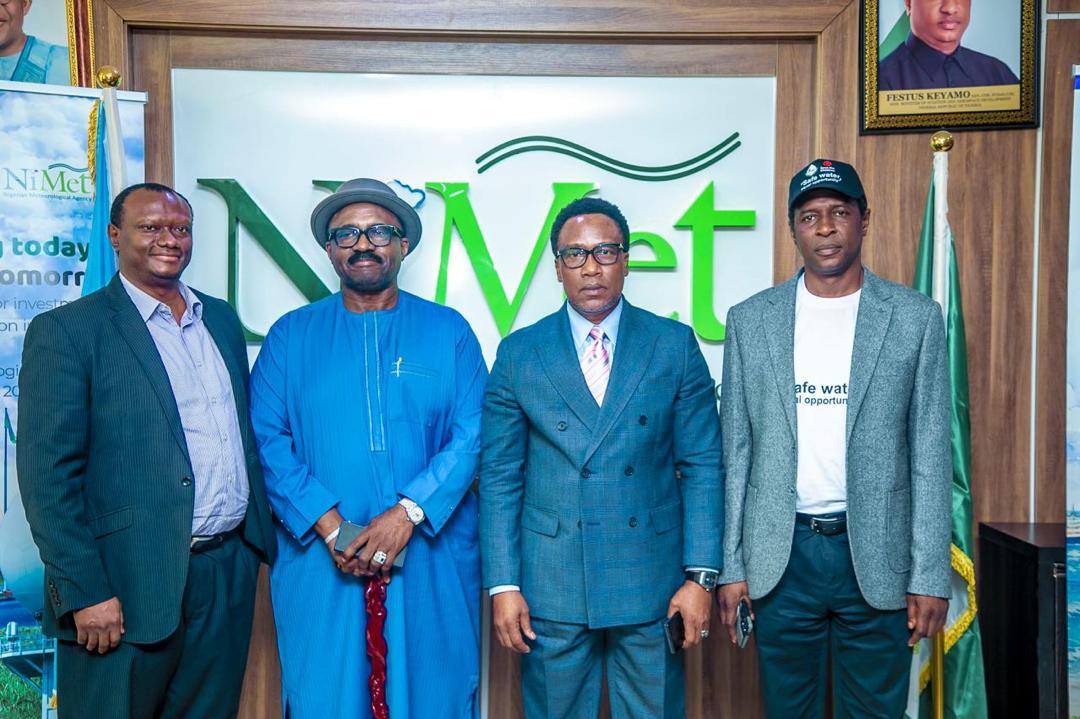
Stakeholders in Nigeria’s aviation, meteorological, and hydrological sectors have called for greater investment in weather observation systems, climate resilience, and technological innovation as the country joined the global community in celebrating World Meteorological Day 2026.
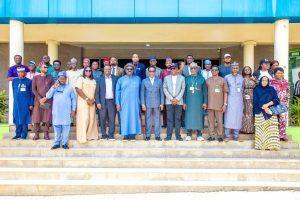
The event, held at the headquarters of the Nigerian Meteorological Agency (NiMet) in Abuja, Nigeria’s capital, brought together top government officials, industry experts, and international representatives under the theme “Observing Today, Protecting Tomorrow.”
The theme underscored the importance of accurate, real-time weather data in safeguarding lives, supporting economic activities, and preparing for future climate challenges.
Speaking at the event, the Director-General of the Nigeria Civil Aviation Authority (NCAA), Capt. Chris Najomo highlighted the critical link between meteorology and aviation safety.
According to him, “‘Observing’ isn’t just a scientific exercise; it is the very foundation of every takeoff, every landing, and every mile flown in between.”
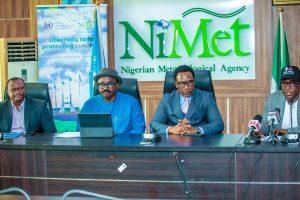
He noted that meteorological services provide essential insights that enable pilots and air traffic controllers to make life-saving decisions.
Emphasising the urgency of adapting to climate change, Capt. Najomo stated that “extreme weather events are no longer outliers; they are becoming part of our operational baseline,” and called for enhanced resilience and the integration of advanced technologies such as artificial intelligence and satellite data to improve flight safety and operational efficiency.
Delivering a goodwill message on behalf of the World Meteorological Organisation (WMO), Dr Roland Abah warned of the increasing global risks posed by climate change.
“The need is urgent. The World Economic Forum’s annual Global Risks report has placed extreme weather as the top long-term global risk,” he said.
He added that Africa has experienced its warmest decade on record, with an increase in the frequency of floods, droughts, and heatwaves.
Dr. Abah stressed the importance of meteorological observation systems, describing them as “the backbone of our economies,” and urged both public and private sectors to invest in climate services.
“We must do more to increase and optimise investments in observations today to protect the future,” he added.
Also speaking, the Director-General of the Nigeria Hydrological Services Agency (NIHSA), Umar Ibrahim Mohammed, commended NiMet for its contributions to national development and disaster risk reduction.
He noted that “the forecasts have been reliable and accessible, and have greatly contributed to disaster risk mitigation strategies in the country.”
Mohammed further encouraged stakeholders to make greater use of weather and climate data, stating that “we will collectively take advantage of weather, climate, and hydrological forecasts to improve the economy of our nation and the well-being of the citizens, particularly the livelihoods of the most vulnerable population.”
In his address, the Director-General and Chief Executive Officer of NiMet, Prof. Charles Anosike, described meteorological observation as the foundation of all weather and climate services.
Prof. Anosike highlighted NiMet’s efforts to modernise its infrastructure, including the expansion of observation networks and satellite systems, which support sectors such as aviation, agriculture, and disaster management.
However, he acknowledged the growing challenges posed by climate change, noting that “the demands placed on meteorological services today are far greater than ever before.”
He also called for stronger collaboration with the private sector, stating that “no single institution or government can act alone,”
The NiMet boss further revealed that Nigeria has been experiencing increasing climate extremes, with temperatures exceeding 40°C recorded in 23 cities and rising flood incidents across the country.
As the event concluded, speakers collectively reaffirmed their commitment to strengthening meteorological services through innovation, partnerships, and sustained investment.
The celebration served as a reminder that proactive observation and data-driven action today remain essential to protecting lives, infrastructure, and the environment for future generations.