


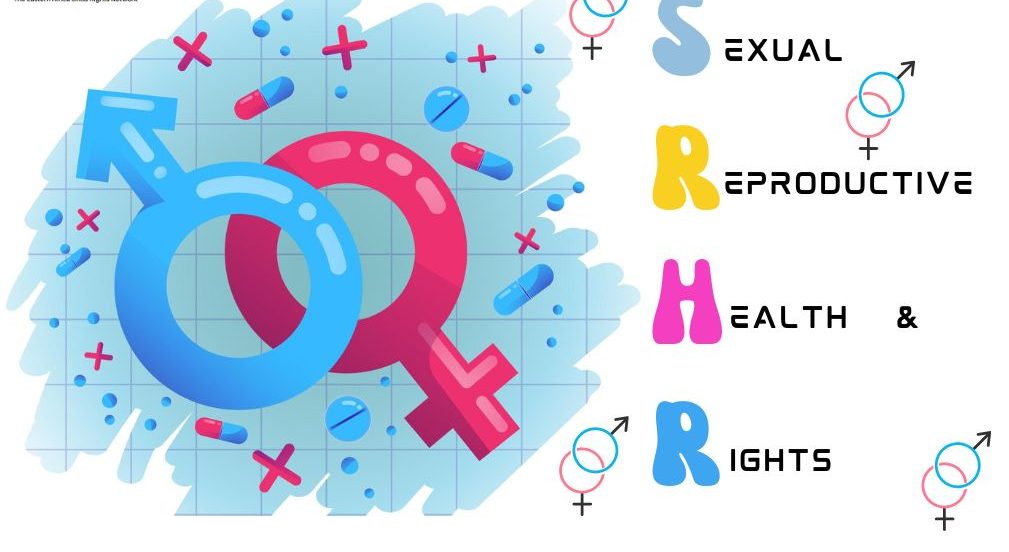
Stakeholders have called for urgent, multi-sectoral investment in sexual and reproductive health and rights (SRHR) across Africa, warning that failure to act could result in the continent squandering its most valuable resource—its youth.
The appeal was made on Thursday in Abuja during the National Policy Dialogue on Improving Adolescent Access to Sexual and Reproductive Health Services, hosted by Nigeria Health Watch and its partners.
Themed “Closing Reproductive Health Impact Gaps: Strategic Approaches for Equity and Access”, the event brought together experts, advocates, and policymakers to address persistent disparities in adolescent reproductive health outcomes in Nigeria, including low contraceptive uptake and limited access to youth-friendly services.
Despite national investments, panellists agreed that outcomes remain inconsistent, stressing the need for evidence-based, high-impact interventions, youth-led design processes, and more strategic funding at both national and sub-national levels.
Policy Failures and Economic Implications
Ms Mashishi Mokgadi, Africa Access Lead at Organon, a global pharmaceutical company, highlighted how policy gaps continue to entrench cycles of poverty, early pregnancy, and lost economic opportunity among adolescent girls.
She narrated the fictional but realistic case of Lucy, a 15-year-old who becomes pregnant due to a lack of access to contraception, is forced to drop out of school, and eventually marries a much older man.
“Lucy’s story is not just a personal tragedy—it represents a national and continental economic loss,” Mokgadi said.
“It affects every Sustainable Development Goal, from maternal health to education, decent work, gender equality, and economic growth.”
Organon, she said, remains committed to preventing 120 million unintended pregnancies under the FP2030 initiative and has already achieved over 55 percent of that target.
Mokgadi called on African leaders to prioritise health in public budgets, urging the creation of dedicated funding lines for family planning and the removal of legal and policy barriers preventing adolescents from accessing SRHR services.
Technology, Data, and Culturally Sensitive Solutions
Dr Fatima Bunza, Country Director at Tiko Nigeria, underscored the need for culturally relevant, data-driven interventions.
Tiko’s “ecosystem model” connects young people with verified health providers, trained counsellors, and peer educators through both digital and low-tech platforms.
“We do not just deploy tech for the sake of it. We build around the real needs of adolescent girls—ensuring safety, confidentiality, and cultural sensitivity,” Bunza said.
She noted that Tiko also uses eco-cards—physical referral tools for girls without smartphones—to ensure inclusive access to care.
Storytelling as Advocacy
Ms Peace Umanah, Director of Communications at the International Youth Alliance for Family Planning (IYAFP), emphasised the power of storytelling in shaping public perception and funding.
“We must tell real Nigerian stories—stories that move funders and resonate with young people,” she said.
Similarly, Ms Margaret Bolaji, Youth Partnerships Officer with FP2030, showcased innovations such as HPV self-sampling kits and discreet STI test kits known as “Lemon kits”, which are available at pharmacies.
“These tools preserve privacy, reduce stigma, and make testing more accessible,” she explained.
“At FP2030, we empower youth not just to attend meetings—but to lead and co-create solutions.”
Read Also: NAFDAC Warns Against High-Hydroquinone Skin Creams
Innovation in Communication
Ms Testimony Adeyemi, Marketing Lead at Healthtracka, shared insights on Lola AI, a WhatsApp-based tool offering SRHR information in a friendly and non-judgemental tone.
“Many girls are too shy to ask questions openly. With Lola, they can access accurate information discreetly and safely,” she said.
Adeyemi also highlighted findings from the annual Banking on Women’s Health Conference, which shows that secrecy, shame, and misinformation remain major access barriers for adolescent girls.
Cross-Sector Collaboration Critical
In closing, participants reiterated the urgent need for collaborative efforts spanning health, education, finance, and community development to ensure that young people—especially adolescent girls—can access the SRHR services they need.
The resounding call from the dialogue was:
“Normalise youth access to reproductive health services—through dignity, data, and design.”