


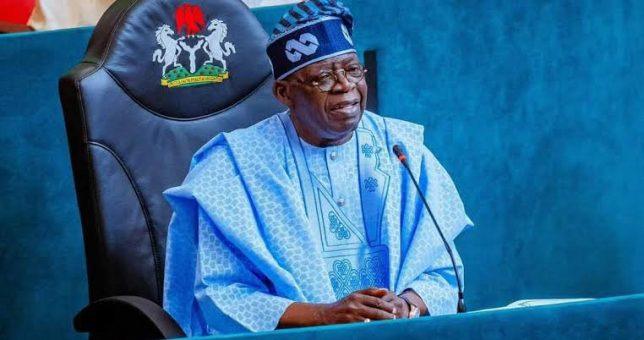
The recent visit of Nigerian President Bola Tinubu to Turkey has attracted significant attention, highlighting a strategic alliance aimed at strengthening political, economic, socio-cultural, and technological cooperation, while enhancing trade partnerships between the two countries.
The visit promises to address some of Nigeria’s socio-economic challenges and leverage Turkey’s advanced technological capabilities, particularly in defence.
With bilateral trade between Nigeria and Turkey exceeding $1 billion annually, both governments have set a formal target to expand trade volumes to $5 billion per year.
This intensified trade relationship is expected to generate substantial socio-economic benefits for Nigeria as the country pursues its developmental goals.
The historic signing of nine bilateral agreements during the visit, covering sectors such as defence, economy, trade, education, and media, underscores the commitment of both nations to strengthening ties and fostering mutually beneficial partnerships.
These agreements have the potential to revitalise key sectors of the Nigerian economy and drive sustainable growth.
Turkey has maintained a diplomatic presence in Nigeria since 1962, and over the decades, the relationship has evolved into a mutually beneficial partnership.
Notable Turkish investments in Nigeria, including the Nizamiye Hospital, Nigerian Tulip International Colleges (NTIC), and Hayat Kimya’s hygiene manufacturing facility, demonstrate the tangible impact of Turkish partnerships on Nigeria’s healthcare, education, and industrial sectors.
Furthermore, the defence cooperation agreement signed during President Tinubu’s visit is designed to enhance Nigeria’s counter-terrorism capabilities through advanced military hardware and expanded collaboration in training, joint exercises, and intelligence sharing.
This strategic pact reinforces Turkey’s role as a key security partner for Nigeria, particularly in combating insurgency and ensuring regional stability in West Africa.
President Tinubu’s diplomatic engagements with Turkey, alongside other countries such as the United Arab Emirates, France, and Germany, reflect Nigeria’s commitment to fostering global partnerships across sectors including renewable energy, infrastructure, logistics, and digital trade.
These agreements have the potential to drive socio-economic growth and propel Nigeria towards sustainable development.
As Nigeria navigates the complexities of global relations and economic transformations, the strategic visits and agreements brokered by President Tinubu underscore the importance of converting diplomatic engagements into tangible economic outcomes.
Effective implementation of these initiatives will be crucial for achieving lasting economic transformation and fostering sustainable growth for Nigeria, given the current challenges facing the nation.
Indeed, President Tinubu’s visit to Turkey marks a significant milestone in enhancing bilateral relations, strengthening defence cooperation, and expanding trade partnerships between Nigeria and Turkey.
The dividends of the visit, in terms of trade, defence, and diplomacy, are expected to yield substantial benefits for both nations, paving the way for sustainable growth and prosperity for citizens of both countries.
Additionally, the visit highlights the importance of creating an enabling environment for foreign investment and fostering economic partnerships.
The Memoranda of Understanding signed during the visit pave the way for enhanced collaboration in sectors including trade, education, media, and diplomacy.
There is, therefore, no doubt that President Tinubu’s visit to Turkey represents a strategic alignment between two nations seeking to capitalise on shared interests and growth opportunities.
As Nigeria continues to strengthen diplomatic relations with key partners like Turkey, policymakers must ensure the effective implementation of agreements to drive lasting economic transformation and security cooperation.
It is evident that President Bola Tinubu’s visit to Turkey has laid the foundation for deeper engagement that promises positive outcomes for both nations in the years to come.