

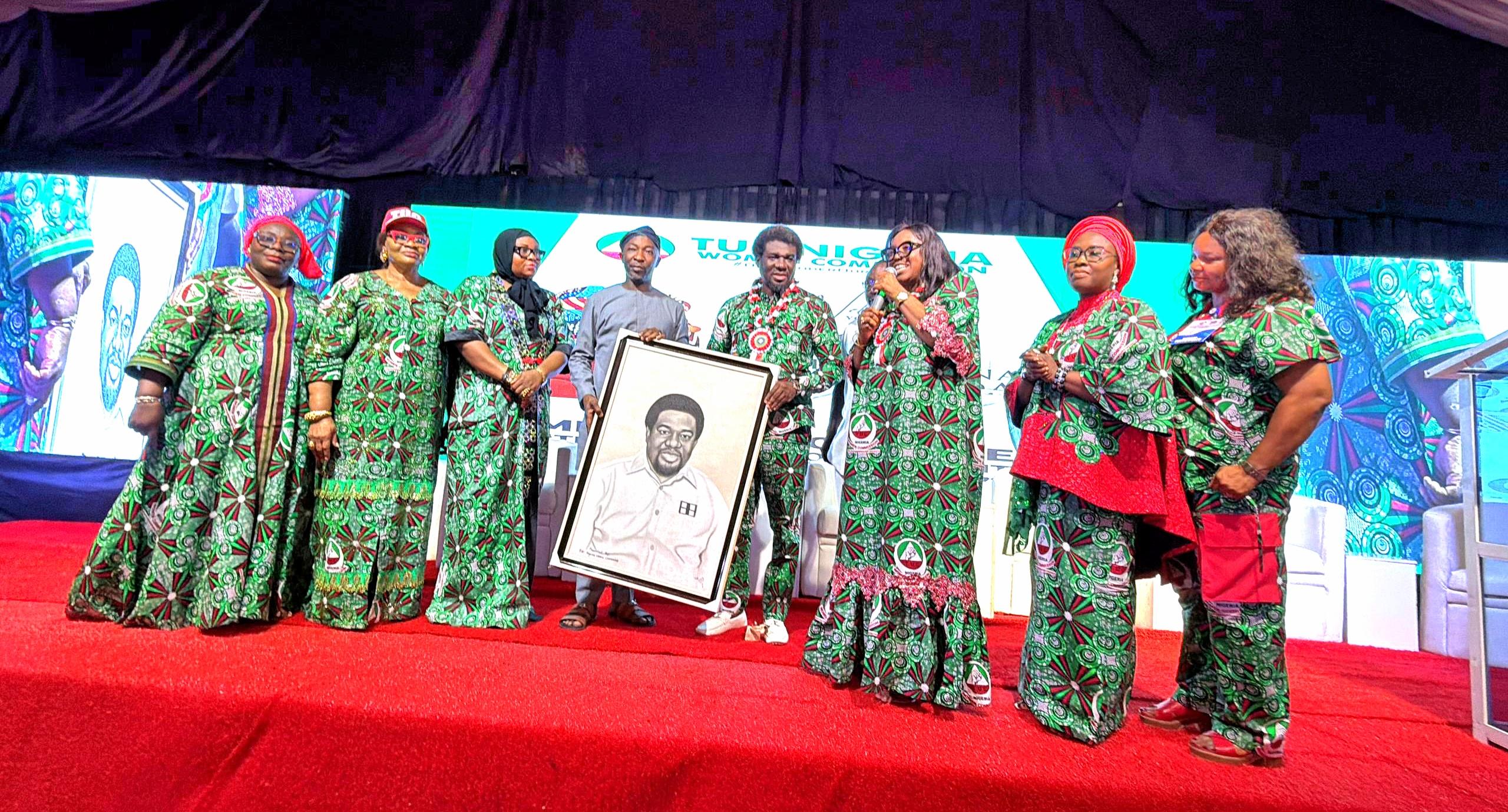
The President of the Trade Union Congress of Nigeria (TUC), Festus Osifo, has called for sustained efforts to expand women’s participation in leadership and decision-making across Nigeria’s labour movement and political institutions.
Speaking at the 2026 International Women’s Day convocation organised by the TUC Women Commission in Abuja, Osifo said the union had taken deliberate steps to improve women’s representation within its leadership structures.
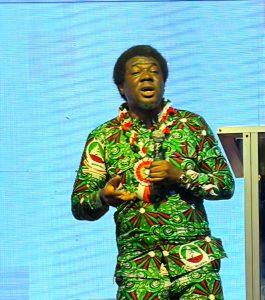
He noted that women previously occupied only a few positions in the TUC’s National Executive Council but said reforms have helped address the imbalance.
“Today we have more than 15 women serving as vice chairpersons across state councils, about eight women as secretaries and, for the first time, women chairing state councils in Lagos, ICT and Ekiti,” Osifo said.
He stressed that meaningful progress requires intentional policies and structural reforms, adding that although many female university graduates outperform their male counterparts, they rarely reach leadership positions because of systemic barriers.
Cultural Shift
Osifo also called for a cultural shift within families and institutions, urging parents to raise children in ways that promote gender equality.
In a keynote address, the Country Director of the International Labour Organidation (ILO) for Nigeria, Ghana, Liberia and Sierra Leone, Vanessa Phala-Moyo, reaffirmed the organisation’s commitment to promoting social justice in the world of work.
She noted that despite progress in some sectors, women’s participation in key institutions and political leadership in Nigeria remains low.
“We are yet to see women leading in many political spaces. It is high time Nigeria had a woman Inspector General of Police, a woman governor and even a woman president,” Phala-Moyo said, expressing optimism that such milestones would eventually be achieved.
She warned that women continue to face structural barriers, including gender pay gaps, occupational segregation and limited access to social protection, even as new opportunities emerge in the digital, green and care economies
According to her, deliberate policies are needed to dismantle discriminatory norms, strengthen labour institutions and invest in women’s skills development.
“Together we can build a future where every woman can participate fully, earn fairly, work safely and live with dignity,” Phala-Moyo said.
Also speaking, the UN Women Representative to Nigeria and the Economic Community of West African States (ECOWAS), Beatrice Eyong, said gender inequality remains an injustice that must be addressed.
” Currently, 22% of households are led by women. This translates to approximately 40 million people living in these households. If we fail to prioritize economic empowerment, education, and access to justice for women, we risk excluding 40 million individuals—a situation that could pose serious consequences for the nation,” she said.
Director-General of the Nigeria Social Insurance Trust Fund (NSITF), Oluwaseun Mayomi Faleye, described women’s empowerment as both a moral obligation and an economic necessity.
“When women are empowered with equal opportunities, fair wages and safe working conditions, societies become stronger and economies more resilient,” he said.
Earlier, National Chairperson of the TUC Women Commission, Esther Asabe Ahmadu, stressed that empowering women was essential to achieving sustainable development and equality.
“Empowering Women involves removing systemic barriers that have historically prevented women from reaching their full potential and ensuring that women are not only participants in society but active and equal agents of change.
“It is time we demand economic justice — a world where women’s labour is fairly compensated, where women have access to credit, can own property and fully participate in decision-making,” Ahmadu added.
International Women’s Day is celebrated annually to recognise the role of women in society. This year’s theme is: “Empowering Women: The Path to Equal Rights and Economic Justice.”