


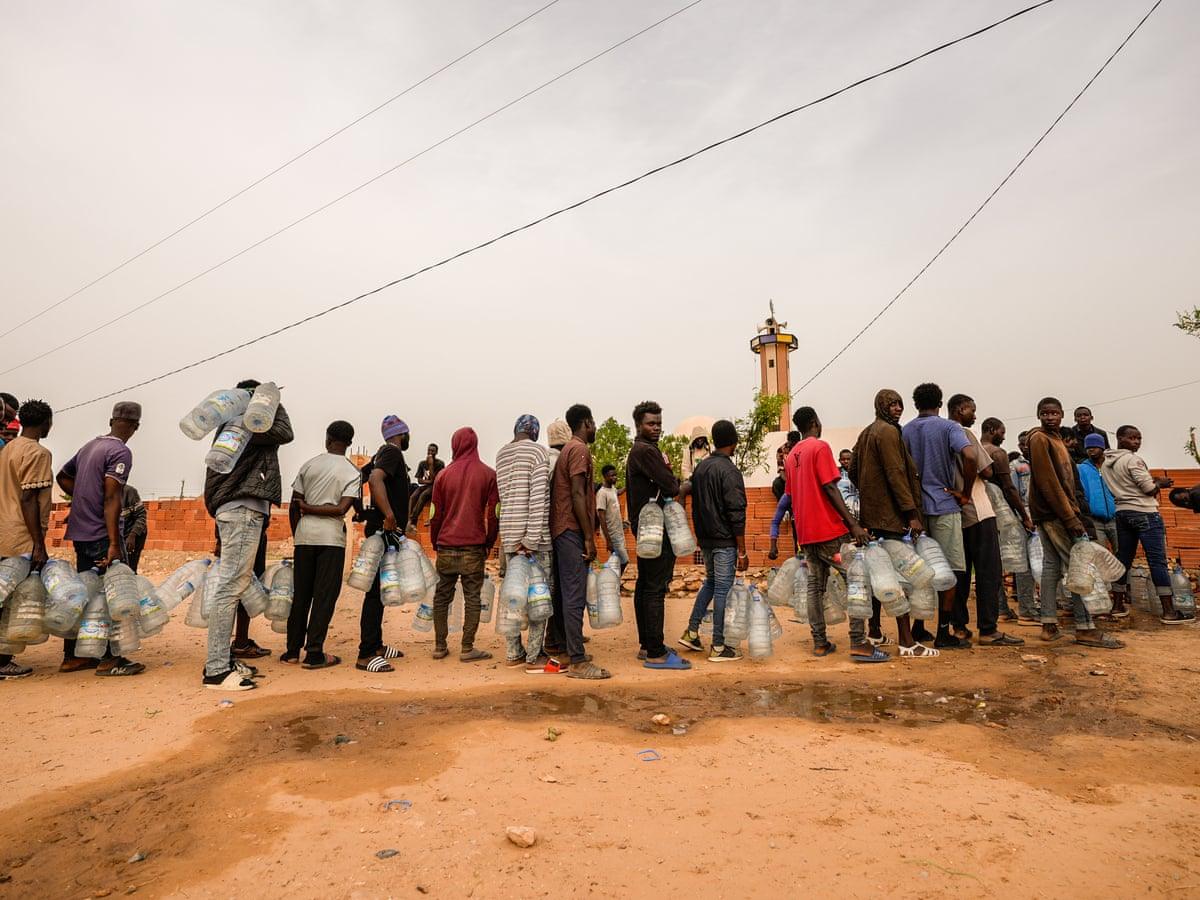
Tunisia’s Foreign Minister, Mohamed Ali Nafti, on Wednesday reaffirmed the country’s commitment to voluntary migrant returns, describing the policy as a humane alternative to forced deportations.
Nafti said Tunisia continues to support voluntary returns “as a mechanism for safekeeping irregular migrants on Tunisian land,” rather than enforcing removals, particularly in cases involving Tunisian nationals accused of crimes abroad, including in Germany.
A key transit point for migrants attempting to reach Europe, Tunisia has increasingly found itself at the centre of regional migration pressures. Many migrants from sub-Saharan Africa embark from its coastline on perilous journeys across the Mediterranean.
“We have done what we can, and have taken the responsibility that was forced on us,” Nafti said, underscoring Tunisia’s position amid mounting international scrutiny.
Tunisian security forces have intensified patrols to prevent departures by sea—crossings that frequently turn deadly. According to the United Nations High Commissioner for Refugees, at least 432 migrants reached Italy from Tunisia by the end of February.
However, the broader humanitarian picture is worsening. Data from the International Organization for Migration shows that early 2026 has been the deadliest start to any year on record for Mediterranean crossings, with at least 682 people confirmed missing as of March 16.
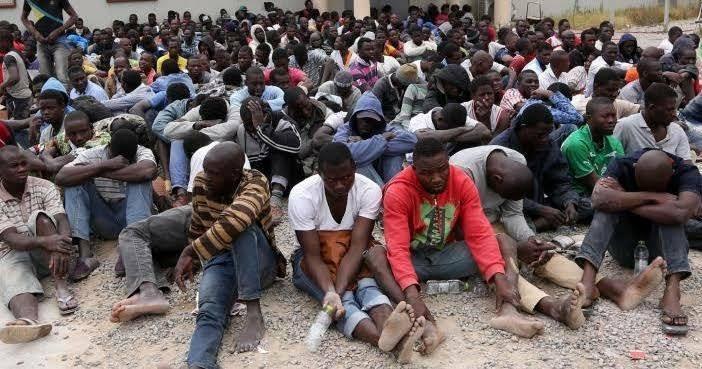
Human rights organisations warn that growing restrictions on information by authorities in Italy, Tunisia and Malta are making it increasingly difficult to verify shipwrecks and rescue operations along what remains the world’s deadliest migration route. As a result, many tragedies go unreported, limiting global awareness of the scale of the crisis.
Africa News