

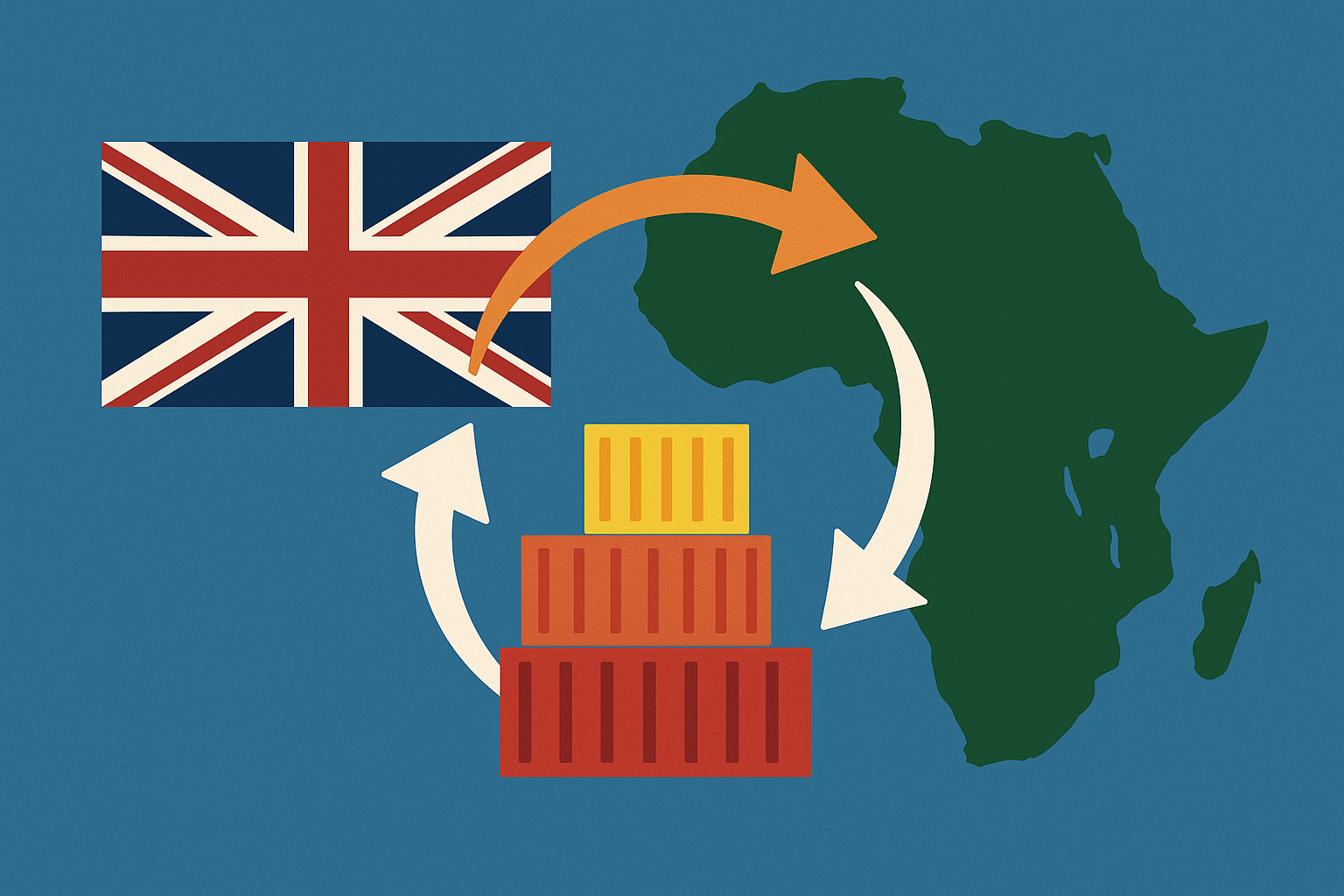
In a move set to deepen economic ties and spur growth across Africa, the United Kingdom has unveiled new reforms to its Developing Countries Trading Scheme (DCTS).
This is a flagship initiative aimed at making UK markets more accessible to developing nations, including Nigeria.
The package, announced under the broader Trade for Development strategy, introduces simplified rules of origin.
This means African countries can now source raw materials and components from within the continent, assemble or process them locally, and still export finished goods to the UK tariff-free.
Officials say the updated scheme will not only strengthen trade with the UK but also enhance intra-African trade, supporting the goals of the African Continental Free Trade Area (AfCFTA), which holds a market potential of $3.4 trillion.
The UK Minister for Development, Jenny Chapman, emphasized the shift in the UK’s approach to global trade partnerships.
The UK has announced new rules to further simplify trade and boost imports from developing countries in Africa, helping build resilient economies and boosting global growth.
More trade, more investment – the best path to prosperity for all.#GoFarGoTogether#GrowUKNG pic.twitter.com/qufQu9sElo
— UK in Nigeria🇬🇧🇳🇬 (@UKinNigeria) July 12, 2025
“The world is changing. Countries in the Global South want a different relationship with the UK—as a trading partner and investor, not as a donor,” he said.
“These new rules will make it easier for developing countries to trade more closely with the UK. This is good for their economies and for UK consumers and businesses.”
Sustainable Development
The reforms align with the UK’s broader trade strategy, which prioritizes sustainable growth through global partnerships and future-facing markets.
On his part, the UK Minister for Trade Policy, Douglas Alexander, pointed out that linking trade with sustainable development.
“No country has ever lifted itself out of poverty without trading with its neighbours,” he opined.
“Over recent decades, trade has been an essential ingredient in lifting hundreds of millions of people out of poverty around the globe.”
In addition to tariff reforms, the UK will provide technical support to help African exporters meet UK standards and navigate customs systems.
There are also plans to enhance trade in services—such as digital, legal, and financial services—through strengthened agreements with partner countries.
In 2023, over £3.2 billion worth of goods imported from African countries benefitted from UK trade preferences.
The Developing Countries Trading Scheme, which launched after Brexit, now covers 65 nations and offers reduced or zero tariffs on thousands of products.