

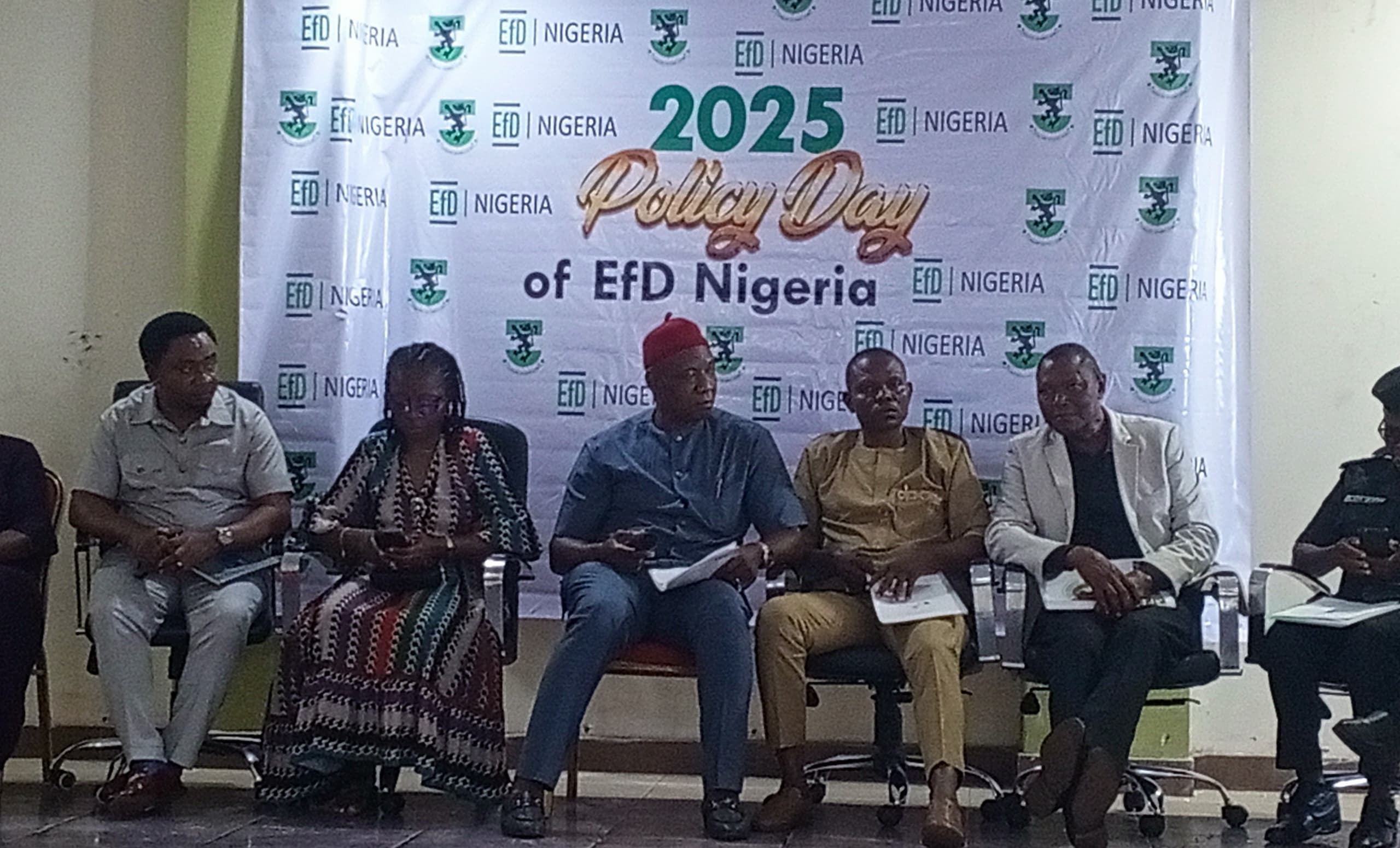
The University of Nigeria, (UNN) has called for urgent strengthening of policies on natural capital management, water security, climate-smart agriculture, and food systems resilience.
The appeal was made during the university’s annual Policy Day, organised by the Resource and Environmental Policy Research Centre – Environment for Development (REPRC-EfD Nigeria).
The event, themed “Sustaining Natural Capital: Policy Strategies for Sustainable Agriculture and Urban Water Systems”, featured presentations of three major research studies addressing water scarcity, climate-smart agriculture, and the impact of armed banditry on food security.
Representing the Vice Chancellor, Professor J.U.J. Onwumere, Deputy Vice Chancellor (UNEC), emphasised the importance of addressing the pressing issues of water scarcity, climate change, and insecurity in the agricultural sector.
He noted that “these challenges have severe consequences for food security, peace, health, and economic stability.”
The Director of REPRC-EfD Nigeria, Professor Nnaemeka Chukwuone, presented research findings on water scarcity and households’ willingness to pay for improved water supply in Enugu, gendered impacts of climate-smart agriculture on nutrition and poverty among cassava farmers, and gender-differentiated effects of armed banditry on agricultural productivity.
Representatives from the Federal Ministries of Environment, Water Resources, and Agriculture, the National Council on Climate Change (NCCC), and state ministries from Enugu and Anambra attended the event.
Strengthening Climate Policies
They stressed the urgency of strengthening climate policies and implementing sustainable agriculture practices.
Director-General of the National Council on Climate Change, (NCCC) Mrs Omotenioye Majekodunmi emphasised the importance of sustaining natural capital for food security, water availability, national security, and economic productivity.
She announced the approval of the National Carbon Market Framework and the National Climate Change Fund, which presents opportunities for financing watershed rehabilitation, regenerative agriculture, and community-based nature solutions.
The event concluded with a commitment to deeper collaboration between academia and government to ensure that research outputs inform policymaking in Nigeria’s agricultural and environmental sectors.
The University of Nigeria is committed to producing evidence-based research for national development, and this Policy Day event is a step towards achieving that goal.
Confidence Okwuchi