

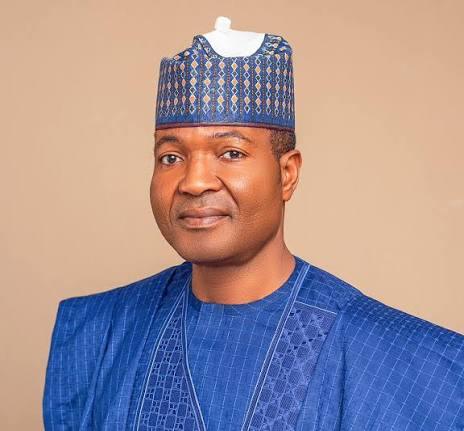
The Director-General of the Voice of Nigeria (VON), MalamJibril Baba Ndace, has called on journalists across the country to use the power of the media to promote voluntary blood donation and save lives.
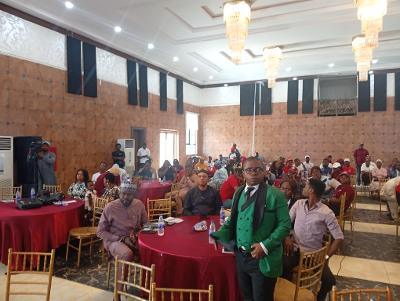
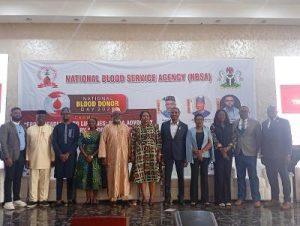
Ndace stated this in Abuja as a guest lecturer at the National Blood Donor Day 2025 commemoration.
He said; “Journalism remains a calling and a critical pillar in shaping public consciousness and every headline carries the power to preserve or destroy lives.”
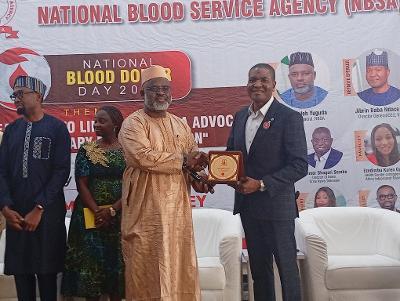
The VON DG praised the National Blood Service Commission (NBSC) for recognising the media as partners in planning, advocacy, and mobilising citizens for life-saving actions such as blood donation.
He said; “The media must go beyond routine reporting and become active contributors to national development, particularly in tackling the persistent shortage of safe blood.”
According to him, journalists are uniquely placed to influence behaviour through compelling storytelling, survivor testimonies, and impactful public education.
Ndace urged reporters to deepen their knowledge of their beats, defend their stories in the newsroom, and remain persistent in ensuring that important public health issues receive the attention they deserve.
He also encouraged journalists to champion empathy, noting that “blood donation is central to saving lives in emergencies, maternal health,and accident response.”
Read Also: Nigeria Government Seeks Private Sector Support For Blood Services
The VON DG maintained that journalism remains unmatched in its access to the public and called on practitioners to use this influence to transform passive audiences into active voluntary blood donors.
The Director of Hospital Services at the Federal Ministry of Health and Social Welfare, Dr. Salaudeen Jimoh, represented by Dr Gloria Uzoigwe, urged the media to strengthen advocacy for voluntary blood donation.
Dr Jimoh described their role as critical in addressing Nigeria’s persistent blood shortage.
He said the Ministry remains committed to advancing the national blood agenda in partnership with the media and development agencies.
Dr. Jimoh also said that “Nigeria continues to face a significant gap in involuntary blood supply, putting mothers, children, and emergency patients at serious risk.”
He emphasised that behavioural change largely depends on public awareness, which the media is uniquely positioned to promote through accurate information, human-centred storytelling, and evidence-based communication.
Dr. Jimoh welcomed initiatives such as the Media Blood Donation Challenge and the NBSA Digital Media Toolkit, saying they will boost national mobilisation efforts.
“We called for sustained media engagement across radio, TV, digital platforms, and community networks to build a culture of voluntary,non-remunerated blood donation and save more lives,” he said.
The Director-General of the National Blood Service Agency, (NBSA) Prof. Saleh Yuguda raised concern over Nigeria’s low blood supply, noting that the country collects only about 500,000 units of blood annually, far below the 1.8 to 2 million units required.
He said the shortage continues to affect trauma care, maternal health, surgeries, cancer treatment, and the management of chronic conditions such as sickle cell disease.