


West African countries have launched a joint effort to tackle Illegal, Unreported, and Unregulated (IUU) fishing, in a bid to safeguard food security and protect the livelihoods of millions who depend on the fishing industry.
The initiative, supported by the Fisheries Committee for the Eastern Central Atlantic (CECAF) and the West Africa Task Force, focuses on strengthening fisheries management, boosting enforcement, and curbing illegal activities threatening the region’s marine resources.
These efforts are crucial, as IUU fishing damages ocean ecosystems, jeopardising sustainable fisheries, and disrupting international supply chains.
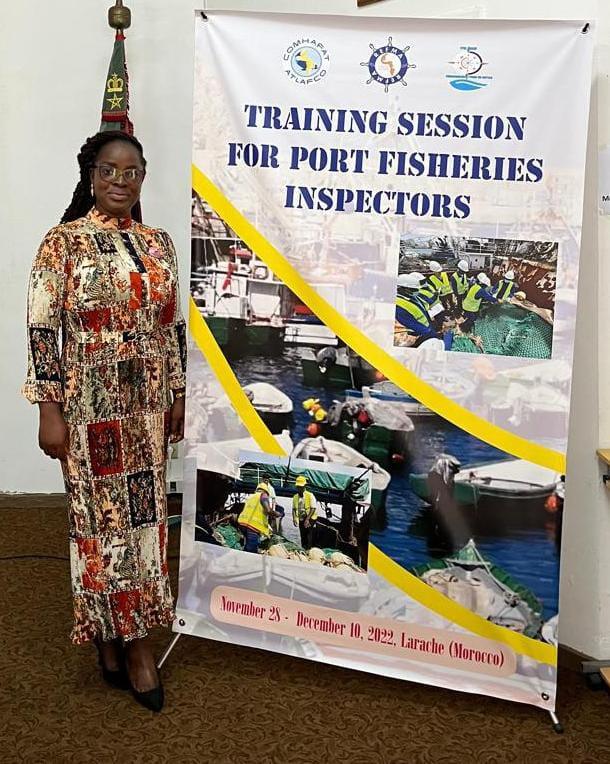
A Principal Fisheries Officer in Nigeria, Ruth Funmilola Hungevu is at the forefront of this initiative.
Hungevu said; “By working together, we can effectively combat IUU fishing and ensure the long-term sustainability of our region’s fisheries.”
“The impact of IUU fishing is profound, from depletion of fish stocks to economic losses and food security threats. It’s essential we address this issue collectively.”
According to Hungevu, the alliance has implemented several key measures, including strengthening national legislation to hold IUU fishing violators accountable as many West African countries have implemented laws to combat IUU fishing, strengthening legal frameworks to hold violators accountable.
Others are; Enhancing Monitoring, Control, and Surveillance (MCS) capabilities to detect and prevent IUU fishing which includes training and capacity-building programs for fisheries officials and enforcement agencies.
“Promoting sustainable small-scale fisheries to reduce the vulnerability of local communities to IUU fishing. This initiative aims to support the livelihoods of small-scale fishermen and promote sustainable fishing practices and
“Fostering international cooperation to share best practices and coordinate efforts. The alliance is working closely with global partners, including the Food and Agriculture Organisation (FAO) of the United Nations, to combat IUU fishing.”
Hungevu said “despite all the efforts, limited resources, corruption, and the need for greater international cooperation remain significant hurdles. However, the regional alliance is committed to overcoming these obstacles and ensuring the long-term sustainability of West Africa’s fisheries.”
According to her, several initiatives have emerged to tackle IUU fishing in West Africa. They include Regional Fisheries Management Organisations (RFMOs), the Fisheries Committee for the Eastern Central Atlantic (CECAF) and the West Africa Task Force work to promote sustainable fisheries management across the region.
The Task Force which includes six member countries of the Fisheries Committee for the West Central Gulf of Guinea (FCWC), also focuses on halting the trade in illegally caught fish.
“National Legislation is another effort to combat fishing as many West African nations have implemented laws to combat IUU fishing, strengthening legal frameworks to hold violators accountable, Hungevu said.
To solve the problem, she said there is need for international cooperation and improved support for small-scale fisheries by providing support for sustainable small-scale fisheries, helping to reduce the vulnerability of local communities to IUU fishing and promote long-term economic stability.
Hungevu added that a multi-faceted approach involving regional collaboration, strong national legislation, international support, and community engagement is vital to effectively address the issue of IUU fishing in West Africa.
Lateefah Ibrahim