


The World Bank Group, in collaboration with international development and financial institutions, is partnering with Nigeria to implement a transformative 90,000-kilometre fibre-optic cable project.
The initiative is to revolutionise the nation’s digital infrastructure and catalyse inclusive economic growth.
The Managing Director and Chief Financial Officer World Bank, Anshula Kant, announced this following a high-level delegation meeting with President Bola Ahmed Tinubu at the State House in Abuja.
Also present at the meeting were Nigeria’s Minister of Finance and Coordinating Minister of the Economy, Mr. Wale Edun, and the Minister of Communications, Innovation and Digital Economy, Dr. Bosun Tijani.
Addressing journalists after the closed-door engagement, Kant said the World Bank was fully committed to supporting Nigeria’s digital transformation agenda, as well as broader macroeconomic reforms being implemented under President Tinubu’s leadership.
“One of the biggest forthcoming projects we are partnering on is in the digital space, providing broadband access across the country. We also have ongoing collaborations in agribusiness, energy, education, health and social protection. Nigeria is a very valuable partner for the World Bank Group, and we believe our priorities are strongly aligned”, Kant said.
Commending the Tinubu administration’s bold economic reforms, she noted that Nigeria was already experiencing positive momentum as a result of the policies being implemented.
“I congratulated the President for embarking on such ambitious macroeconomic reforms and staying the course. These are not easy, but they are already showing strong results,” she added.
Kant also emphasized the World Bank’s overarching mission to eradicate poverty on a sustainable planet by promoting accelerated growth and creating improved job opportunities for young people.
According to her, sustainable growth depends on a strong foundation of both physical and human capital, encompassing access to digital services, reliable energy, enhanced education, and quality healthcare.
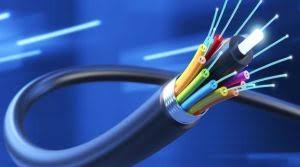
Minister of Finance, Wale Edun, characterized the fibre-optic cable initiative as one of the largest projects of its kind globally, structured around a sustainable and commercially viable financing model.
He emphasized that the 90,000-kilometre network is designed to be self-financing, with users paying for the services, ensuring its long-term viability.
Edun highlighted that the partnership, also aligns with Nigeria’s broader strategy for sustained, inclusive growth that fosters quality job creation and poverty reduction
“This 90,000-kilometre fibre project is a landmark, and the World Bank is a major partner. It is self-financing and structured to ensure the users of the infrastructure will pay for its services, making it highly viable,” Edun explained.
“There is consensus around the need to focus on agriculture, infrastructure like digital connectivity, and affordable access to finance, particularly for SMEs. This is the path to national growth and transformation,” he added.
Further Speaking on the Fibre optic initiative, the Minister of Communications, Innovation and Digital Economy, Dr. Bosun Tijani, said the fibre-optic initiative was designed to be future-facing and growth-driven.
“We’re laying 90,000 kilometres of fibre across Nigeria — with rings across geopolitical zones and full state coverage. It is about solving connectivity once and for all. We want every home, office, school, and hospital to have access to fibre-based broadband”, Tijani explained.
Tijani said the Federal Executive Council (FEC) had already approved the initiative, which is being implemented through a special purpose vehicle (SPV) with funding support from the World Bank and private investors.
“The World Bank is helping structure this project through an SPV where government is investing, but the private sector will hold 51% equity and run it independently. This will ensure sustainability and proper management,” he said.
He emphasized that the project would not only expand digital access but also underpin Nigeria’s broader development objectives in agriculture, healthcare, education, and the creative economy.
“There’s evidence that a 10% improvement in broadband quality can increase GDP by 1.35%. There are very few investments with that kind of return. The President is focused on growth, and this is exactly the type of infrastructure that supports that goal,” he noted.
Dr. . Tijani further revealed that the project design has been finalized and will be made public in the coming months, providing Nigerians with a clear view of the network’s layout and the benefits it will bring to communities.
He expressed confidence that implementation could begin before the end of 2025.
The Minister expressed President Tinubu’s committment to building resilient, growth-oriented infrastructure that positions Nigeria for long-term competitiveness.
“Mr. President has made it clear — we must invest in infrastructure that allows our economy to grow and thrive,” he added.
Olusola Akintonde