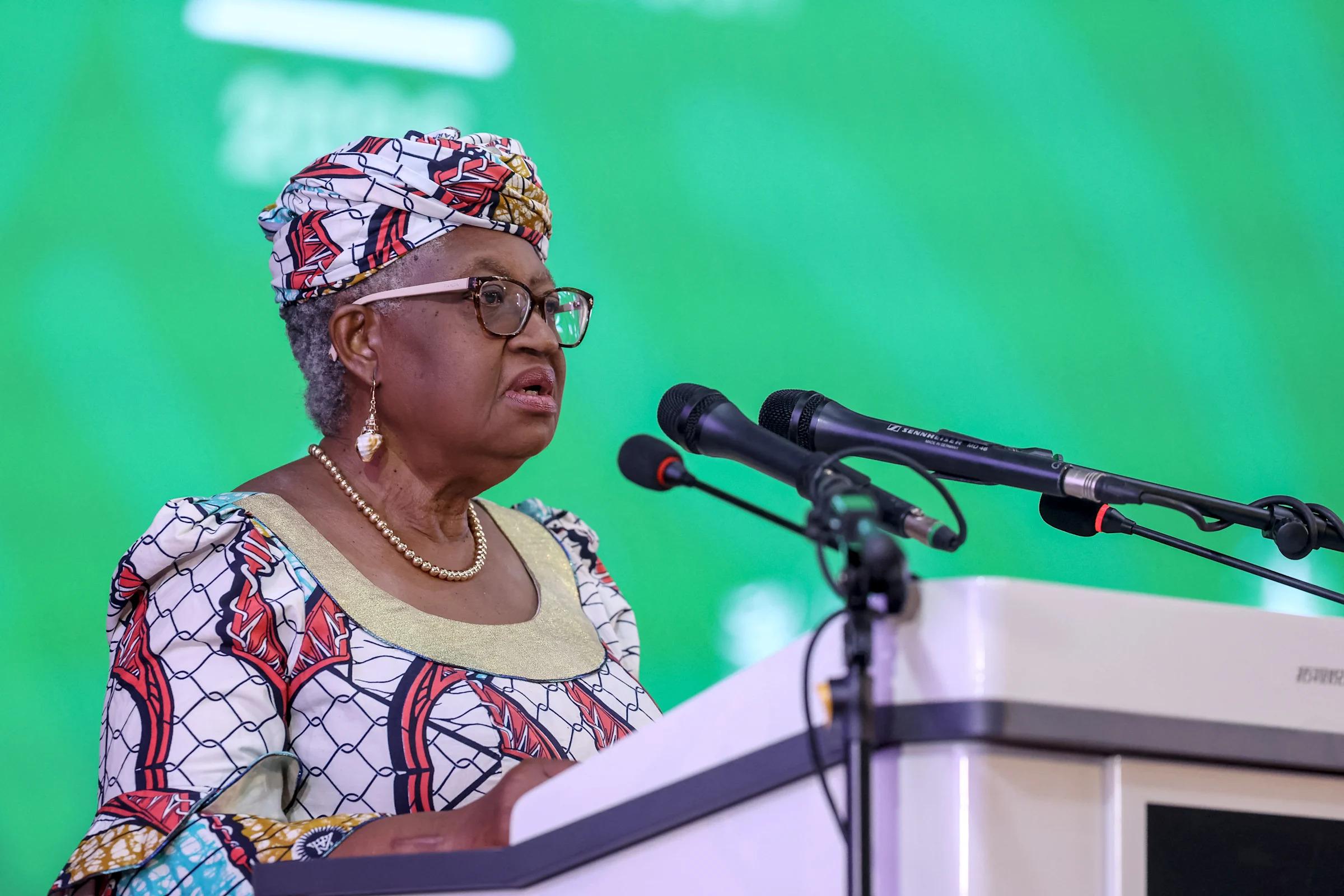
Talks led by the World Trade Organization in Yaoundé ended early Monday without agreement, after deep divisions among member states blocked progress on key issues including reform, agriculture and digital trade.
A major setback was the failure to renew the long-standing moratorium on customs duties for e-commerce, under which countries have refrained from taxing cross-border digital transmissions since 1998. The lapse is seen as a blow to developed economies, particularly the United States, which had pushed for the measure to be made permanent.
“We worked hard,” WTO Director-General Ngozi Okonjo-Iweala said following the inconclusive talks.
The four-day meeting in Cameroon’s capital had been expected to conclude on Sunday, but negotiations stretched into the early hours of Monday as delegates attempted to salvage a deal. Diplomats had initially signalled that a minimal agreement on reform was within reach after overnight discussions produced a draft text.
However, that momentum collapsed when Brazil blocked consensus on the e-commerce moratorium, citing frustration over the lack of progress in parallel negotiations on agriculture—an issue that has long divided WTO members.
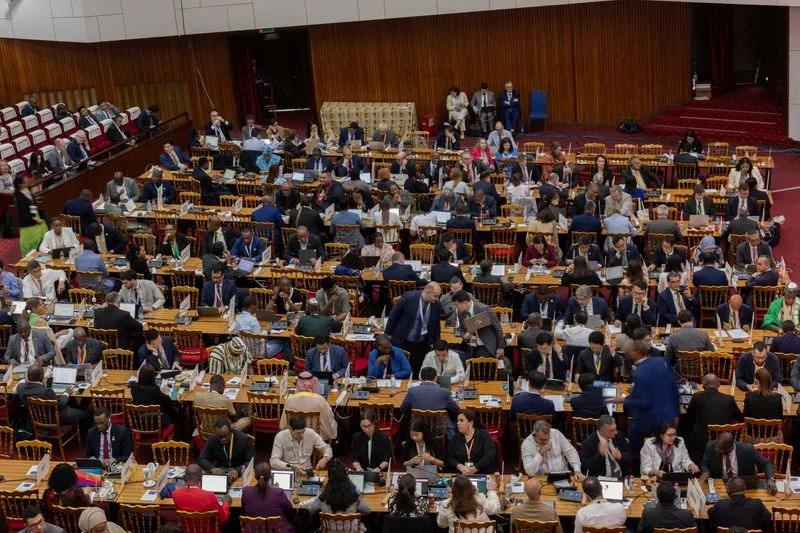
The 166-member body has struggled for years to advance a comprehensive agricultural negotiation framework, with many countries viewing the issue as politically and economically sensitive.
Going into the Yaoundé talks, expectations were already modest, with members aiming only for a joint declaration to guide future negotiations. Instead, even that limited goal proved elusive.
The discussions took place amid rising global economic uncertainty and heightened geopolitical tensions, factors that have further complicated efforts to revive the WTO’s negotiating function.
At the heart of the deadlock was the future of the e-commerce moratorium. While Washington had scaled back its ambitions to support a five-year extension, developing countries—led by India—have opposed long-term renewal, arguing it could deprive them of critical tariff revenues.
Brazil, for its part, pushed for no more than a two-year extension, ultimately derailing consensus.
Although the moratorium has now lapsed, it does not automatically result in new tariffs. WTO members may still independently choose not to impose duties on digital goods and services such as e-books, music and telemedicine.
The outcome underscores the growing challenges facing the WTO, where consensus-based decision-making and widening geopolitical divides continue to hinder efforts to reform and maintain its central role in global trade governance.
Africa news