

Zambia is on edge as the Catholic Church and civil society groups prepare for nationwide protests on 28 November against what they describe as an illegitimate and exclusionary constitutional amendment process.
The Zambia Conference of Catholic Bishops has rejected the government’s constitutional review, arguing it lacks legal foundation and excludes meaningful citizen participation.
Linked to the previously rejected Bill No. 7 of 2025, the process has been criticised as politically driven, with consultations limited to provincial centres and deadlines too short for broad public input.
Church leaders say the initiative diverts attention from urgent national concerns such as economic hardship, electricity shortages and rising living costs.
They question the timing of the reforms, warning they could serve narrow political interests by paving the way for a de facto one-party system or influencing electoral boundaries ahead of the polls.
The Catholic bishops want the process to be postponed until after the 2026 elections.
Government officials have responded with warnings.
Read Also: Zambia Explores Partnership with Nigeria on National Values, Civic Responsibility
Zambia Concerned About Costly New US Visa Bond
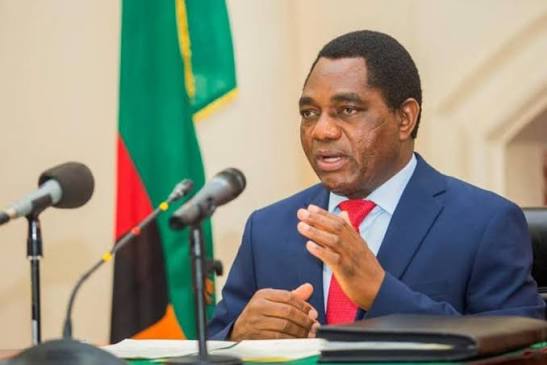
Information Minister Cornelius Mweetwa said, “dialogue over confrontation”. He stressed that while citizens have a constitutional right to assemble, public gatherings could be exploited to disrupt order during a politically sensitive period.
According to him, “President Hakainde Hichilema remained open to engagement”. He pointed to the Constitutional Technical Committee as evidence of inclusivity”.
The Home Affairs Minister Jack Mwiimbu, echoed the caution, describing the Church’s protest plans as divisive and counterproductive.
Police have also signalled a hard line, warning that unlawful assemblies will be met with “firm, lawful action.”
The demonstrations have raised fears of confrontation just months before the 2026 general election.
With a few months before the general election, the standoff between the Church and state has heightened concerns that constitutional reform could become a flashpoint for instability in Africa’s second-largest copper producer.
APA/Oyenike Oyeniyi