
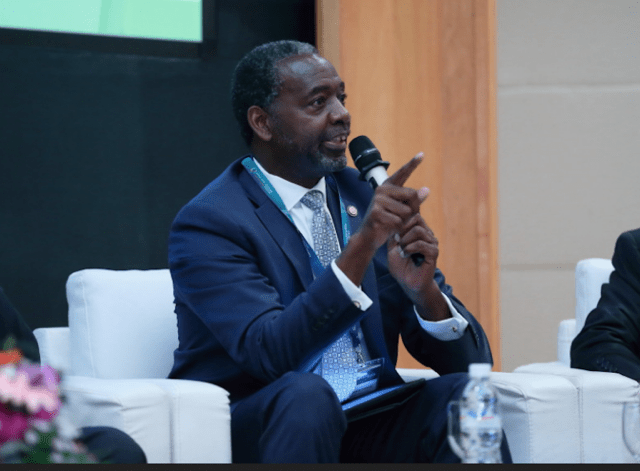
Former Managing Director of the U.S. National Transportation Safety Board (NTSB), Mr Dennis Jones, has called on accident-investigation agencies to introduce formal mental-health protocols for investigators routinely exposed to traumatic crash scenes.
Jones made the appeal in Abuja while speaking at a Multimodal Transportation Stakeholders’ Workshop organised by the Nigerian Safety Investigation Bureau (NSIB). Drawing on decades of field experience, he said investigators often “witness harrowing human tragedy,” and warned that the resulting stress, if left unaddressed, could jeopardise both their wellbeing and the integrity of investigations.
He urged agencies worldwide to embed counselling and wellness programmes into their standard operating procedures, adding that protecting investigators’ mental health is as critical as ensuring their physical safety at crash sites.
READ MORE:Psychiatrist Urges Improved Mental Healthcare Services In Nigeria
According to Jones, several first-time investigators at the NTSB abandoned their roles after a single deployment due to the psychological strain of encountering fatal crash scenes.
“I have seen many walk away after one assignment when they step onto the scene and witness the human cost, some never return.” To mitigate this, the NTSB routinely deploys psychologists alongside investigation teams. These professionals assess team members, especially those new to the field, and provide immediate support when needed.
Jones explained that sometimes a few hours away from the site or a session with a mental health professional can help investigators process what they are experiencing.
He described the psychological toll of working among fatalities and grieving families as intense, especially for those not mentally prepared for such realities.
“Without adequate support, these pressures could develop into long-term conditions like Post-Traumatic Stress Disorder. Jones added.
“This has nothing to do with being tough if we ignore these human responses, we risk both the health of our investigators and the integrity of our investigations.”
Jones called on the NSIB and peer agencies across Africa to embed trauma management into their operational systems as they scale up investigations in the air, rail, road, and marine sectors.
“You cannot expect sustainable results from people carrying invisible wounds. Support systems must be part of the structure,” he added.
The NSIB Multimodal Transportation Stakeholders’ Workshop, which focused on advancing safety standards through collaboration, drew participants from the transport and public safety sectors. Jones’ intervention underscored the importance of not only technical competence but also emotional resilience in safety investigations.

