Industries across the world consume nearly 50 per cent of total global energy, driving widespread energy wastage and accelerating environmental degradation, the Global Environment Facility–United Nations Industrial Development Organization (GEF-UNIDO) has warned.
The National Project Coordinator of the GEF-UNIDO Industrial Energy Efficiency (IEE) and Resource Efficient Cleaner Production (RECP) Project in Nigeria, Dr. Oladapo Jacob, raised the concern at a media training workshop on Industrial Energy Efficiency and RECP methodologies held in Kano.
Dr. Jacob described excessive industrial energy consumption as a growing global challenge with far-reaching consequences for climate change, economic sustainability, and industrial productivity, warning that unchecked usage remains a major contributor to greenhouse gas emissions.
He said failure to urgently address energy inefficiency in the industrial sector could undermine environmental protection efforts and future economic growth.
According to him, improving industrial energy efficiency and adopting cleaner production practices are critical to cutting emissions and advancing the Sustainable Development Goals (SDGs).
Dr. Jacob also urged the media to intensify public awareness on the dangers of energy wastage, promote the adoption of energy-efficient technologies, and support policies aimed at reducing the environmental footprint of industrial activities.
Also speaking at the workshop, the National Expert on Industrial Energy Efficiency, Mr. Obafemi Adejumo, presented a paper titled “The Fundamentals of Industrial Energy Efficiency and Its Impact on Sustainability.”
Mr. Adejumo examined past and present patterns of energy consumption, noting that modern technologies and innovative approaches are helping industries cut energy use without sacrificing productivity.
“Improving energy efficiency lowers production costs while enhancing environmental sustainability through reduced emissions and better resource conservation,” he explained.
Similarly, the RECP National Expert, Mr. Chukwudipo, delivered a presentation on, “The Concept of Cleaner Production and Its Role in Reducing Resource Consumption and Environmental Footprints.”
He emphasised the need for industries to minimise waste, optimise resource use and adopt cleaner technologies to reduce their environmental footprint.
“Cleaner production strategies not only protect the environment but also make industries more competitive and resilient,” he said, adding that such practices help preserve natural resources for future generations.
In another presentation, the Communication Expert, Mrs. Mojishola Osiboye, spoke on Best Practices for Reporting on Energy Efficiency and Sustainable Industrial Practices.
She urged journalists to simplify complex technical issues surrounding energy efficiency and sustainability to make them more accessible to the general public.
“Effective media reporting can shape public perception, influence policy decisions and drive behavioural change towards sustainable industrial practices,” Mrs Osiboye noted.
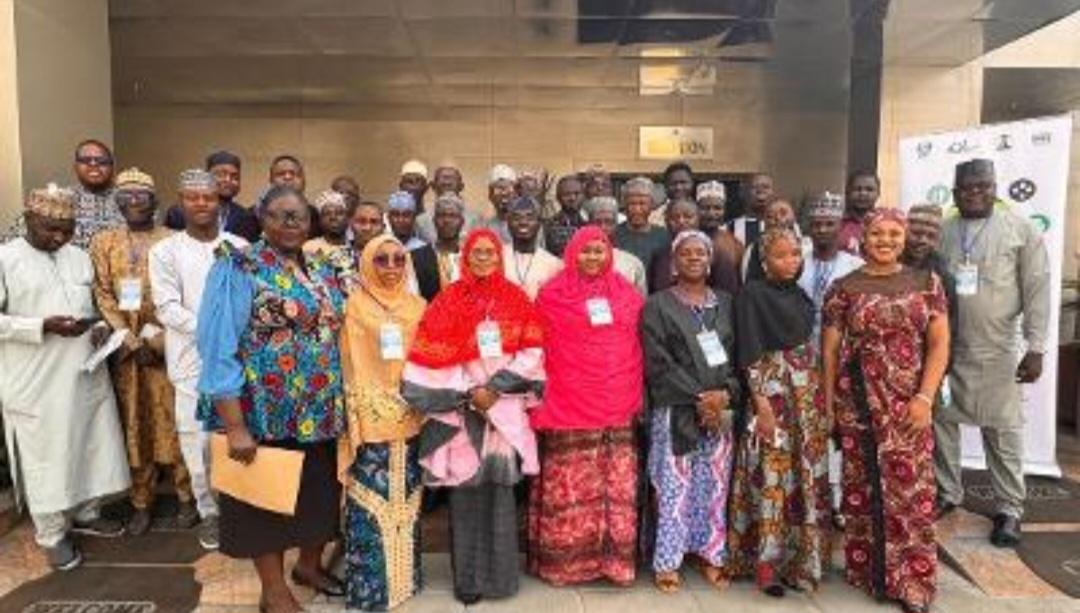
The workshop, organised under the GEF–UNIDO project, attracted journalists from across Kano State and was aimed at strengthening media capacity to report accurately and responsibly on energy efficiency, cleaner production and sustainability issues.