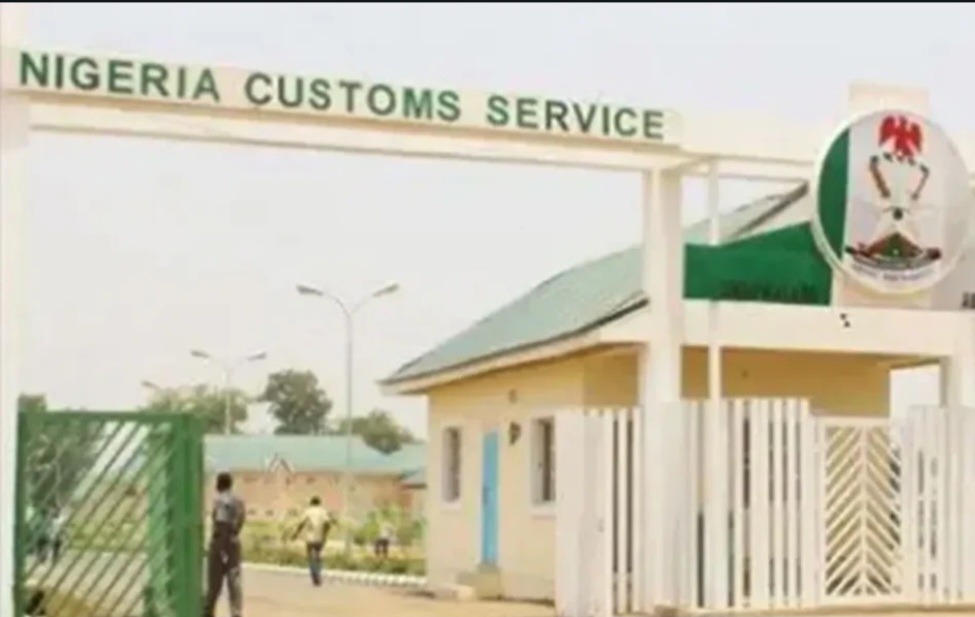
The Nigeria Customs Service is aiming to complete full automation of port’s documentation and cargo processing procedures before the end of 2026.
This is part of efforts to improve trade facilitation, enhance transparency, and reduce delays at the nation’s seaports and border stations.
The Assistant Comptroller-General of Customs, Mohammed Babandede stated this during a stakeholders’ engagement in Lagos.
Babandede noted that “the Service was intensifying the deployment of digital platforms aimed at eliminating manual documentation processes across Customs formations nationwide.”
READ ALSO: Nigeria Customs Unveils New Digital Licensing Regime
According to him, “the transition to a paperless system is expected to simplify cargo clearance procedures, reduce human contact in port operations, and improve operational efficiency within the maritime and logistics sectors.”
The initiative aligns with the Nigerian Government’s drive toward port modernisation and ease of doing business.
He explained that “Customs had already recorded significant progress in the deployment of technology-driven operations.”
“The adoption of full digital processes will strengthen revenue collection, improve compliance monitoring, and curb opportunities for sharp practices associated with manual processing.
“The goal is to ensure that you don’t have to carry documents from one office to another. Everything will be done online from declaration to cargo release,” he said.
Babadede noted that the Service has also introduced digital platforms for license renewals and other regulatory processes, reducing the need for physical visits to customs offices.
He emphasised that the paperless initiative aligns with the Nigerian Government’s broader agenda of improving ease of doing business and boosting economic growth through trade facilitation.
Industry stakeholders have consistently advocated for full automation of customs processes, citing delays caused by manual documentation and bureaucratic bottlenecks.
The Nigerian Customs Service is working closely with other government agencies, terminal operators, freight forwarders, and licensed customs agents to ensure seamless integration of the automated system.
With the planned transition, the Nigeria Customs Service is expected to significantly cut cargo dwell time, improve revenue collection, and strengthen transparency across its operations.