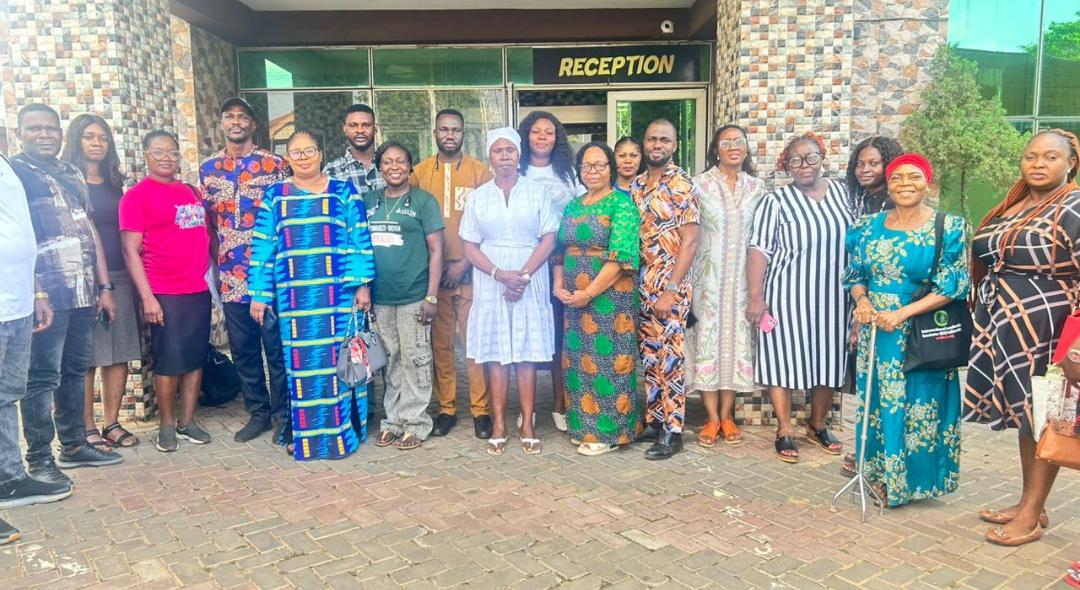
The Association for Eradication of Tuberculosis (TB Network) in Anambra State has urged government authorities to broaden access to national and state health insurance schemes to include vulnerable groups, especially low-income citizens who struggle to afford healthcare services.
Speaking during the organisation’s Quarterly Integrated Community-Led Monitoring (CLM) State Press Briefing in Awka, the State Coordinator, Ify Unachukwu, emphasized that many disadvantaged individuals remain excluded from quality healthcare because of financial constraints, unemployment, and limited educational opportunities.
She stressed the need for stronger oversight of primary healthcare funding, warning that mismanagement or diversion of resources could undermine efforts to improve healthcare delivery at the grassroots level.
According to Unachukwu, Nigeria’s fight against HIV/AIDS, tuberculosis, malaria, and gender-based violence requires sustained investments in disease prevention, treatment, health education, and community participation.
She called on governments, development partners, private sector organisations, community leaders, and citizens to work together in extending health insurance benefits beyond workers in the formal sector to reach vulnerable populations.
ALSO READ: Akwa Ibom Governor Approves Road Rehabilitation, Health Care Funds
“The poor are often unable to bear the financial burden of healthcare costs. Expanding insurance coverage will ensure that more citizens can access essential medical services without hardship,” she stated.
The TB Network coordinator also advocated increased health awareness campaigns across communities, noting that effective public education can encourage healthier behaviours and strengthen responses to malaria, HIV, and tuberculosis.
She urged every ward in the state to support health promotion initiatives aimed at improving disease prevention awareness and increasing community involvement in healthcare programmes.
Unachukwu further raised concerns over shortages of tuberculosis medications, commodities, and essential reporting tools in health facilities, warning that such gaps could compromise treatment outcomes and increase the risk of drug-resistant TB cases.
She appealed to the Federal and State Ministries of Health, Finance, and Budget and Economic Planning to urgently provide adequate funding for the procurement and distribution of TB drugs and monitoring materials.

The coordinator also highlighted the importance of domestic resource mobilisation and stronger collaboration among government agencies, private sector stakeholders, communities, and individuals to improve responses to HIV/AIDS, TB, and malaria.
Reviewing progress recorded in the state, she noted improvements in environmental sanitation, healthcare accessibility, public awareness, restoration of water and electricity supply in some communities, and the enrollment of more than 56 residents into the Anambra State Health Insurance Agency Basic Health Care Provision Fund programme.
Addressing gender-based violence, Unachukwu identified domestic abuse, rape, sexual assault, child and forced marriages, incest, female genital mutilation, acid attacks, and murder as some of the persistent forms of violence affecting women, men, boys, and girls across the country.
She called on citizens, civil society organisations, and relevant institutions to intensify efforts to combat gender-based violence, urging members of the public to speak out against perpetrators and support victims.
According to her, strengthening healthcare systems, increasing financial commitments, and expanding community-led monitoring initiatives remain essential for achieving sustainable health outcomes and ensuring people-centred care across Nigeria.