

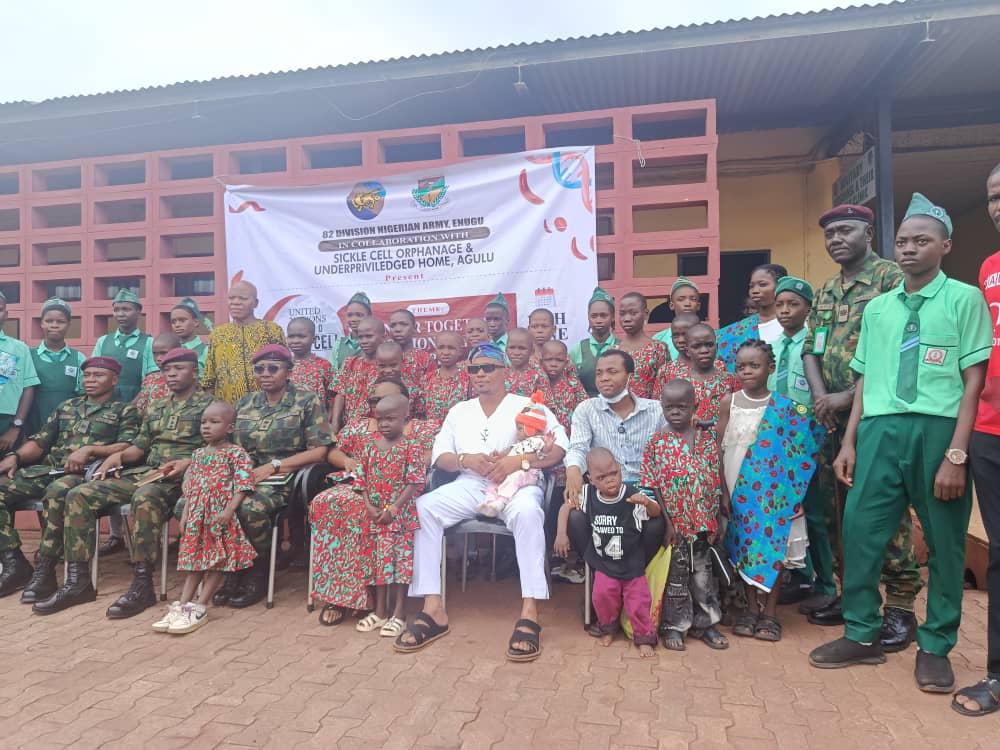
The Nigerian Army and the Association of People Living with Sickle Cell Disorder (APLSCD) have called for strengthened genotype screening, improved government funding, expanded access to healthcare, and sustained public awareness to reduce the burden of sickle cell disorder in Nigeria.
They made the call during the 2026 World Sickle Cell Day commemoration held at the Headquarters of the 82 Division, Nigerian Army, Enugu.
Stakeholders at the event stressed the need for coordinated national action to address the disease, noting that early detection and preventive measures remain key to reducing new cases.
They also urged government at all levels to “invest more in healthcare systems and ensure wider access to treatment and support services for persons living with sickle cell disorder.”
The event formed part of activities marking World Sickle Cell Day, observed globally to raise awareness on the condition and promote better care for affected persons.
Speaking at the event, the National Coordinator of APLSCD, Mrs Aisha Edwards Maduagwu, described sickle cell disorder as a major public health challenge requiring sustained awareness campaigns, improved healthcare delivery, and stronger collaboration among government agencies, healthcare institutions, and development partners.
She said “Nigeria accounts for a significant proportion of the global sickle cell burden, with thousands of children born annually with the condition.”
Maduagwu identified genotype awareness and voluntary testing as the most effective preventive measures against the disorder, urging young people and intending couples to ascertain their genotype status before marriage.
“Public education is critical to dispelling misconceptions about sickle cell disorder and addressing the stigma faced by affected individuals,” she said.
Maduagwu, founder of the Sickle Cell Orphanage and Underprivileged Home in Agulu, Anaocha Local Government Area of Anambra State, also advocated the inclusion of sickle cell management in national and state health insurance schemes, increased investment in newborn screening programmes and research, and the establishment of comprehensive sickle cell care centres across the country.
She said such interventions would improve access to quality healthcare and reduce complications associated with the disease.
Highlighting the association’s achievements, Maduagwu cited the establishment of a specialist sickle cell clinic at Nnamdi Azikiwe University Teaching Hospital Ukpo, support for the enactment of the Anambra State Sickle Cell Disease (Eradication and Control) Law, vocational empowerment initiatives; and the creation of the Sickle Cell Orphanage and Underprivileged Home in Agulu.
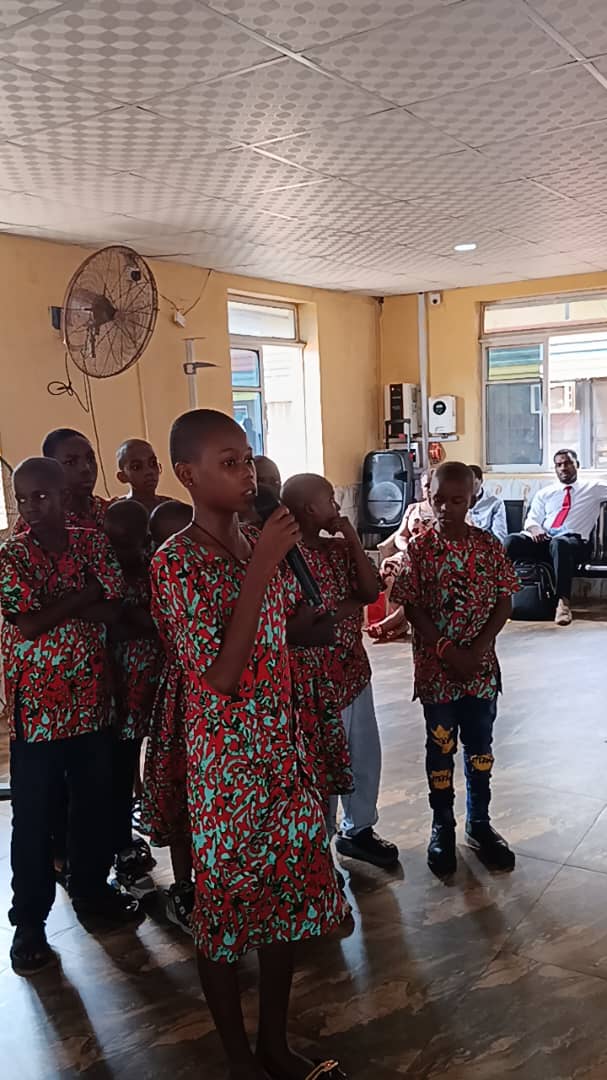
She commended the Nigerian Army, the Nigerian Army Officers’ Wives Association (NAOWA), the Agulu community, and philanthropist Sir Paul Chukwuma for supporting the association’s healthcare, welfare, and advocacy programmes.
Representing the General Officer Commanding 82 Division, Major General Oluremi Fadairo, and the Commander, 82 Division Medical Corps, Brigadier General Okwuosa, Lieutenant Colonel Chinonso Ani of the 82 Division Medical Services Hospital reaffirmed the Nigerian Army’s commitment to initiatives aimed at improving the wellbeing of persons living with sickle cell disorder.
Ani commended APLSCD for choosing the Division to host the World Sickle Cell Day event and congratulated persons living with the disorder for their resilience.
She underscored the importance of early diagnosis and genotype screening, urging Nigerians, particularly young people, to verify their genotype status through accredited laboratories before making marital decisions.
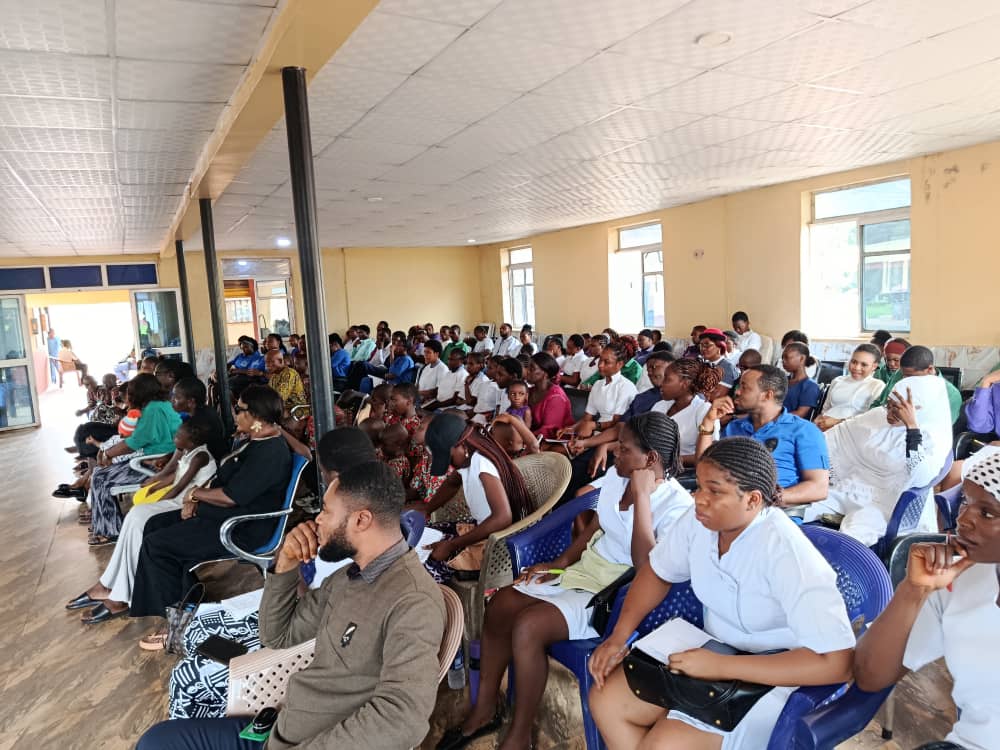
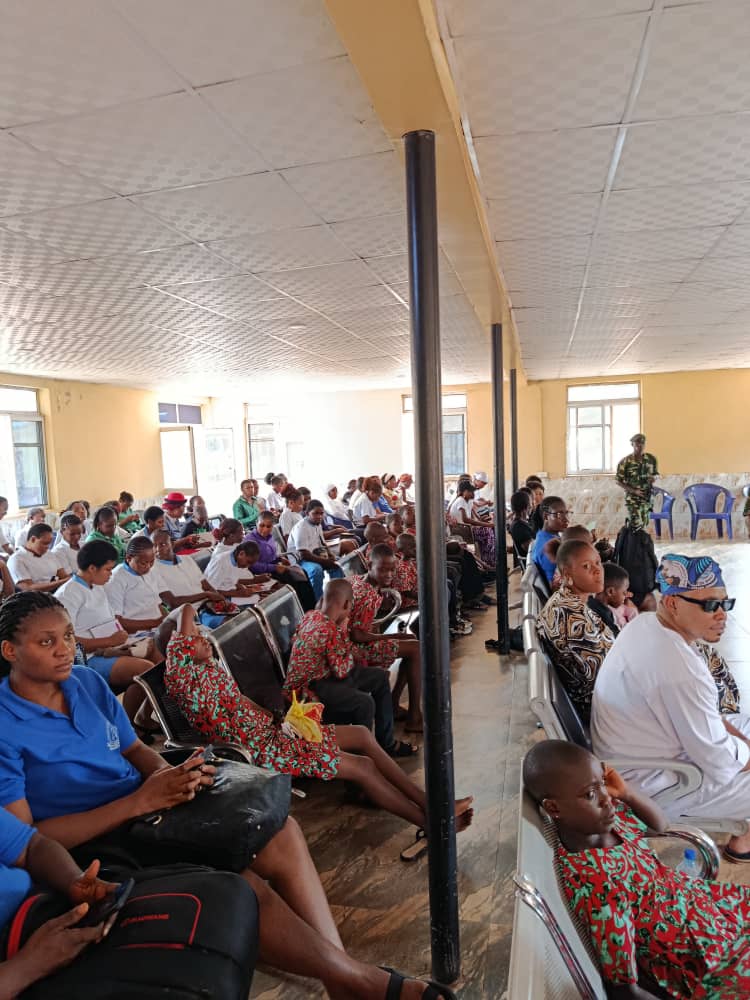
The event formed part of activities marking the 2026 World Sickle Cell Day and brought together healthcare professionals, military personnel, advocates, and persons living with sickle cell disorder to promote awareness and support for those affected by the disease.


 have called for strengthened genotype screening..)