The Sokoto State Primary Healthcare Development Agency (SSPHDA) has trained 69 Ward Development Committee (WDC) members, Health Promotion Officers (HPOs), and Community Women Leaders on engagement strategies and accountability.
The two-day exercise was conducted in collaboration with the United Nations Children’s Fund (UNICEF) under the European Union-funded Strengthening Access to Reproductive and Adolescent Health (EU-SARAH) Project.
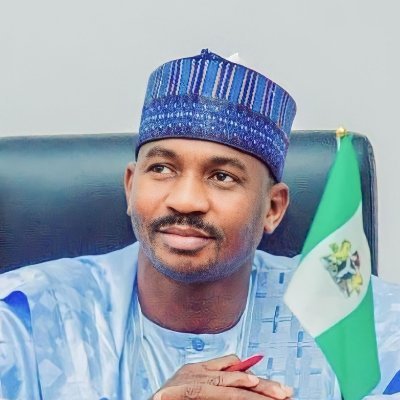
The SSPHDA Director of Advocacy and Mobilisations, Dahiru Kamaru-Gada, said the exercise was aimed at promoting responsible behaviours and improving access to quality healthcare services across the state.
ALSO READ: Anambra Approves N640 Million for Healthcare, Education Projects
Kamaru-Gada said the EU-SARAH Project focuses on improving overall people’s health, personal development, and access to essential healthcare services.
According to him, the initiative represents a transformative approach to healthcare, specifically targeting the vital areas of sexual, reproductive, maternal, adolescent, and child health services.
“Reproductive and adolescent health is a cornerstone of public health which plays a crucial role in the overall well-being of our communities.
“Many women and adolescents continue to face significant barriers to accessing essential reproductive health services.
“We know that these barriers lead to preventable maternal deaths and, and a cycle of ill health that impacts families and communities for generations,” Kamaru-Gada said.
In his address, the UNICEF Social and Behavioral Change Specialist, Ibrahim Haruna, said the programme was designed to equip community leaders with the knowledge and tools needed to promote dialogue, strengthen trust, and remove barriers limiting access to essential healthcare services.
Haruna explained that Ward Development Committees serve as a vital link between government health institutions and rural communities, making them central to the success of public health programmes.
“The objective is to ensure that community representatives fully understand the importance of the SARAH and Community Engagement and Accountability (CEA) initiatives so that they can return to their communities and enlighten residents on available health services and their benefits,” he said.
He added that the committees also play broader roles in sanitation, environmental health, education, and other social development areas, describing them as key drivers of grassroots development.
He noted that the EU-SARAH project is a €40 million, four-year programme funded by the European Union and implemented by UNICEF and UNFPA in collaboration with the Nigerian government.
The initiative, which focuses entirely on local health improvements, specifically targets three states: Adamawa, Sokoto, and Kwara.
The event featured a presentation of the project overview by Joy Uberu; roles and responsibilities of WDCs by Faith Oguejiofor; and community engagement and accountability by Mujtaba Ibrahim, among others.