

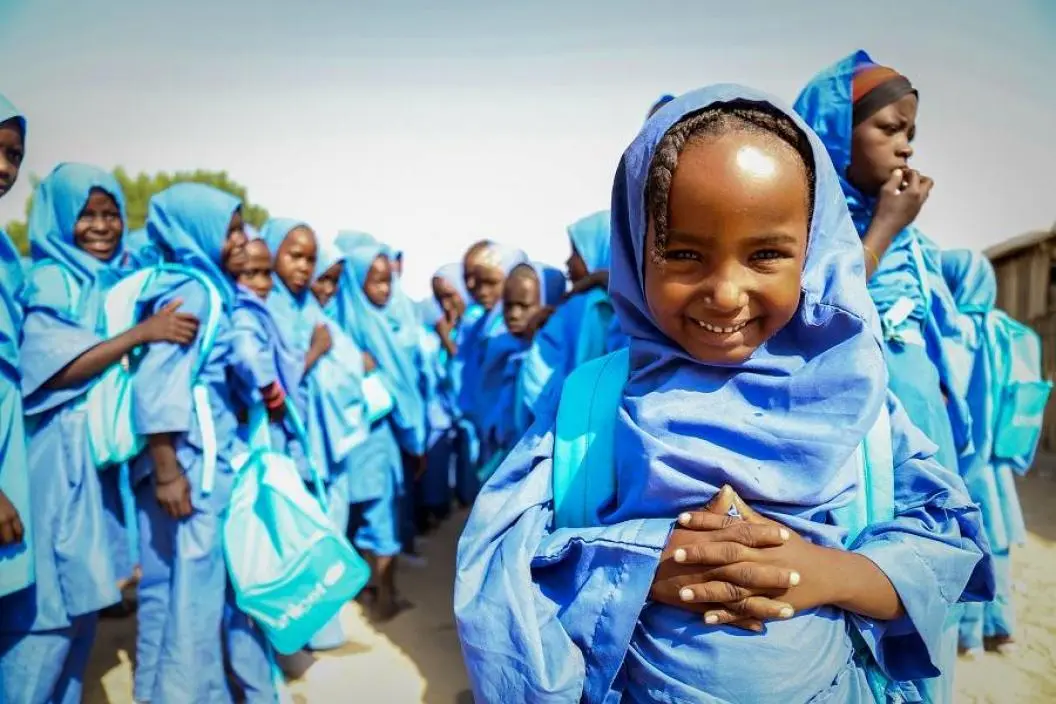
Adamawa State has recorded remarkable progress in advancing the education system through the Global Partnership for Education (GPE)-funded programme, implemented by the Adamawa State government in collaboration with UNICEF.
The initiative, which recently wound up, targeted 7,000 children but ultimately reached more than 12,000 learners across the Lamurde and Gombi Local Government Areas of the State.
The project addressed a critical gap in access to education, particularly for children who were previously excluded from formal learning.
It established 60 community learning centres in Lamurde and another 60 in Gombi, in addition to 123 shade structures constructed to support schooling in underserved communities.
Beyond literacy and numeracy, children also gained skills in hygiene, social behaviour, and positive adaptation.
Abdulraman Ado, UNICEF Education Specialist in Bauchi, described the intervention as transformative, while Adamawa’s Commissioner of Education, Umar Garba Pella, said the programme has laid a strong foundation for the state’s education sector plan.
He noted that Adamawa has already designed a template to sustain the gains at the state level.
Community-based facilitators, drawn from within the host communities, were trained to teach at least three times a week, a move stakeholders say will help ensure continuity.
Learners from non-formal centres are also being integrated into the formal school system with provisions of uniforms, materials, and other scholastic support.
Various stakeholders, including operators of Islamic schools, have advocated for the establishment of a school feeding program.
Local leaders, traditional rulers, and parents have been urged to sustain community ownership of the initiative.
“Even if UNICEF withdraws, learning will not stop because it is now part of the community. What remains is for all of us to ensure the journey continues,” Abdulraman Ado said.