Home Blog Page 296

Agriculture Ministry Collaborates to Improve Soil Health, Boost Productivity

0

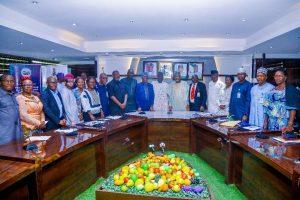
The Federal Ministry of Agriculture and Food Security in Nigeria has signed a Memorandum of Understanding (MoU) with the International Institute of Tropical Agriculture (IITA) to improve soil health, enhance fertiliser efficiency, and revolutionise the agricultural ecosystem.

Speaking during the MoU signing ceremony in Abuja, Nigeria’s capital, the Minister of Agriculture and Food Security, Sen. Abubakar Kyari, said the initiative is part of a broader strategy to transform soil management practices, increase agricultural productivity, and ultimately achieve food sovereignty for the nation. He added that it is also part of the presidential Soil Health Scheme.

Sen. Kyari stated that the agreement would provide farmers with data-driven recommendations for fertiliser use and crop selection, helping to optimise yields and reduce costs.

He added that the collaboration would also focus on improving land management and climate services, building national expertise, and creating a model for regional cooperation.

The Minister stressed that both parties would work together to tackle issues such as soil nutrient depletion, erosion, and the effects of climate change using advanced technologies.

He pointed out: “Beyond food availability and affordability, the government is committed to ensuring nutritional quality and safety. If the soil is not healthy, no matter the effort, the desired results cannot be achieved.”

In his remarks, the Minister of State for Agriculture and Food Security, Sen. Dr. Aliyu Sabi Abdullahi, said: “The purpose of this Memorandum of Understanding (MoU) is to articulate the understanding and willingness of the Parties, the ministry and IITA to evaluate the benefits of their collaboration, facilitating any joint preliminary study and due diligence related to the proposed partnership, while also delineating the general intentions of the Parties regarding such collaboration.

This MoU does not impose any legal obligations on either Party concerning the proposed collaboration.”

He noted: “This MoU is anchored on three fundamental objectives: strengthen agricultural land management and climate change services with emphasis on soil health and fertiliser management in Nigeria; build national capacity through applied research, soil fertility practice management data systems, and policy support; and promote a model of collaboration that can inspire and inform similar efforts across the ECOWAS region.”

According to him: “This scheme is designed to remove guesswork for Nigerian farmers by giving them facts on what to plant, where to plant, and the type of fertiliser required for each soil type.”

He explained that laboratories would be sited across 774 local government areas, enabling farmers to submit soil samples for analysis and receive recommendations similar to medical laboratory tests.
Dr. Abdullahi revealed: “Since the inauguration of Mr President Asiwaju Bola Ahmed Tinubu GCFR, he has made agriculture a top priority in Nigeria through the Renewed Hope for Food Security and Sovereignty initiative.

“This commitment goes beyond mere political rhetoric; it is a serious mandate that Mr President has embraced with full dedication, including mobilising both local and international support to ensure food availability for all citizens in the nation.”

He lauded IITA for its strong collaboration and multi-faceted partnership with Nigeria over the years, focusing on transforming agriculture for food security and economic growth through research, innovation, capacity building, and technology transfer, targeting climate resilience, data-driven farming, and youth and women empowerment.

During his welcome address, the Director-General of IITA, Dr Simeon Ehui, said the agreement would support the Nigeria Farmers’ Soil Health Scheme (NFSHS) and the continued development of the Nigerian National Soil Information System (NNSIS).

Dr. Ehui stated that the partnership, as a policy and delivery commitment, is designed to provide farmers with data-driven, location-specific recommendations rather than “generalised messages.”

He revealed that implementation would be channelled through the Regional Hub of Fertiliser and Soil Health for West Africa and the Sahel, hosted by IITA, to ensure coordination, common standards, and shared learning across countries.

“This approach assures a standards-based system rather than isolated interventions, while allowing Nigeria to benefit from regional expertise,” he said.

He emphasised that the initiative would deliver crop- and location-specific fertiliser recommendations for key staples such as rice, maize, sorghum, wheat, and yam, alongside integrated soil fertility management, improved laboratory standards, digital soil information systems, and capacity building.

He stated that IITA would provide research and technical expertise, training, soil testing support, and monitoring frameworks to ensure measurable outcomes.

“The real test of this MoU will be results, improved soil health systems, higher fertiliser use efficiency, stronger national capacity, and accelerated progress towards food security,” he added.
EU Removes Nigeria from High-Risk List

0

The European Union has officially removed Nigeria from its list of high-risk jurisdictions for money laundering and terrorism financing, a decision expected to ease cross-border transactions and improve investor confidence.

The update was published on the European Commission’s website and follows Nigeria’s removal from the Financial Action Task Force greylist in 2025, following a series of anti-money laundering and counter-terrorism financing reforms.

Under the new decision, enhanced due diligence requirements applied to transactions involving Nigeria will be lifted from January 29, 2026, subject to procedural approval by the European Parliament and the Council of the European Union.

Explaining the move, the European Commission said that the update reflects decisions taken by the FATF at its June and October 2025 plenaries, where several countries were removed from the list of jurisdictions under increased monitoring.

“The EU has added new third-country jurisdictions to the list (Bolivia and the British Virgin Islands) and delisted a number of others (Burkina Faso, Mali, Mozambique, Nigeria, South Africa and Tanzania),” report said on Friday quoted the Commission as saying.

It noted that entities covered by the EU’s anti-money laundering framework are required to apply enhanced vigilance when dealing with countries on the high-risk list, adding that Nigeria’s removal means such heightened scrutiny will no longer apply to Nigerian-related transactions within the bloc once the regulation takes effect.

Reacting to the development, Nigeria’s Minister of State for Finance, Dr Doris Uzoka-Anite, described the decision as a major boost for the country.

In a post on X on Thursday, she said, “Big win for Nigeria! Removed from the EU’s financial ‘high-risk’.” She added, “Congrats to President @officialABAT on this achievement. As Minister of State for Finance, I’m proud of this boost to trade and investor confidence.”

Also commenting on it, the Coordinating Minister of the Economy and Minister of Finance, Mr Wale Edun, said that Nigeria’s exit from the European Union’s high-risk third-country list is a major boost for investor confidence.

Speaking in Lagos on Thursday in an event Edun said: “Exiting the EU high-risk list is a landmark achievement for Nigeria. It sends a clear signal to investors that Nigeria is serious about maintaining a stable, credible, and transparent business environment.”

Nigeria’s exit from the EU high-risk list is expected to have significant economic and financial implications. Countries classified as high-risk often face higher transaction costs, delayed payments, tighter correspondent banking relationships, and reduced foreign investment.

With the lifting of enhanced due diligence requirements, Nigerian banks, exporters, fintechs, and other businesses transacting with European partners are expected to face fewer compliance hurdles, a development that could improve trade flows, ease remittances, and support capital inflows.

The decision also reinforces Nigeria’s credibility as it seeks to reform its financial system and curb illicit financial flows, at a time when the government is pushing to attract foreign investment and deepen integration into global financial markets.

Nigeria was removed from the FATF greylist in October last year after implementing reforms to strengthen its anti-money laundering and counter-terrorism financing framework.

APA

Benue Governor Celebrates Chief Akande At 87

0

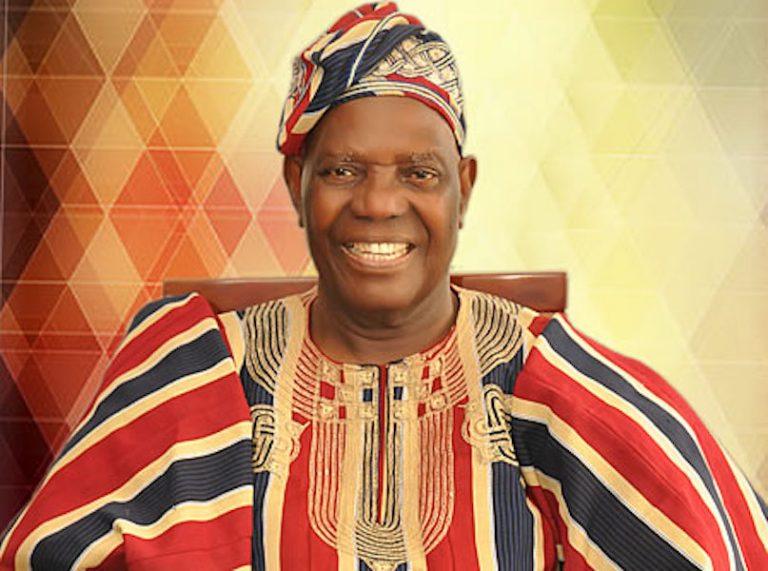
The Governor of Benue State in North-Central Nigeria, Reverend Father Hyacinth Alia, on Friday joined family members, political associates, and well-wishers across the country to celebrate elder statesman, Chief Bisi Akande, as he marked his 87th birthday anniversary.

Chief Akande, a former Governor of Osun State in South Western Nigeria and the founding National Chairman of the All Progressives Congress (APC), is celebrated as a distinguished figure within Nigeria’s progressive political realm.

“A luminary of Nigeria’s progressive political legacy, Chief Akande’s dedicated service, discipline, and steadfast adherence to democratic principles have made a lasting impact on the political landscape of our nation,” Governor Alia said.

He recalled that, guided by the visionary ideals of Chief Obafemi Awolowo, Chief Akande’s transition from the private sector to public service was propelled by a profound sense of obligation and patriotism.

Governor Alia noted that throughout his various roles, Chief Akande consistently exhibited competence, integrity, and unwavering conviction.

Also Read: President Tinubu Hails Reuben Abati at 60

“As the interim National Chairman of the APC, he played an instrumental role in establishing a political foundation that reshaped Nigeria’s democratic course in 2015,” he said.

He added that Chief Akande’s foresight, resilience, and principled leadership were pivotal in uniting diverse political factions under a shared progressive agenda.

“A beacon of morality, a mentor, and a symbol of honesty, Chief Akande embodies unwavering principles that bolster our nation’s unity and values,” Governor Alia said.

At 87, he indicated that Chief Akande continues to inspire generations with his lucid insights, moral fortitude, and commitment to democracy, social equity, and effective governance.

Governor Alia extended heartfelt appreciation to Chief Bisi Akande for his invaluable contributions to the nation, the party, and the progressives movement.

He prayed that God would grant the elder statesman continued health, vigour, and peace as he marks this significant milestone.

Akwa Ibom Governor Approves Funds for Health Sector

0

Akwa Ibom State Governor, Umo Eno, has approved the immediate release of the 2025 counterpart funding for various health-related interventions across the state.

The State Commissioner for Health, Dr. Ekem John disclosed this while interacting with journalists during a ministerial briefing in Uyo the state capital.

Dr. John stated that the approved funding covers key health programmes, including health insurance, primary healthcare, immunization, family planning, and nutrition.

According to him, “His excellency governor Umo Eno, yesterday not only approved,  he also signed that counterpart funding be released before the end of January 2026 for all our programmes. So, immunisation, family planning, nutrition, and health insurance are all covered by that funding, and this year, we are ready to work on these areas”.

Read Also: Akwa Ibom Governor Approves Road Rehabilitation, Health Care Funds

The commissioner said the approval underscores the approval and underscores the commitment of the Umo Eno administration to strengthening the health sector and improving service delivery across the state.

While highlighting major policy reform initiatives undertaken by the ministry during the period under review, he noted that emphasis was placed on strengthening infrastructure, improving staff welfare, training and enhancing service delivery to achieve better health outcomes for the people.

Dr. John also outlined sectoral achievements and challenges, particularly in the areas of leprosy and tuberculosis control, where he said the state has recorded significant progress.

“If you look at the TB indices, Akwa Ibom is doing very well; last year alone, we commissioned five portable X-ray machines with the support of the Global Fund. And let me announce that all suspected TB patients in the health facilities where these machines are installed are to have their x-rays free of charge”, he said.

On HIV/AIDS, the commissioner acknowledged existing challenges but noted improvements in reporting and data management across the state.

“For HIV/AIDS, this is one place where we have not done too well, but in terms of reporting, there has been an improvement. There are now about 168,000 persons living with HIV/AIDS who have been identified in Akwa Ibom State,” he stated.

According to him, “This is progress because it’s down from over 200,000, which it was before. Two reasons accounted for this: The first is that some people did double-counting in order to get anti-retroviral drugs, so some registered in Eket and still registered in other places again. But we have able to do an audit, and we arrive at that figure.”

Dr. John further explained, “It’s a good score that 99% of those who have HIV actually know that they have HIV. One of the challenges is that those who have HIV do not even know that they have it”, adding that efforts are ongoing to improve testing, awareness, and treatment outcomes in the state.


Nigeria to Deploy Reputation Index for National Rebranding – Minister

0

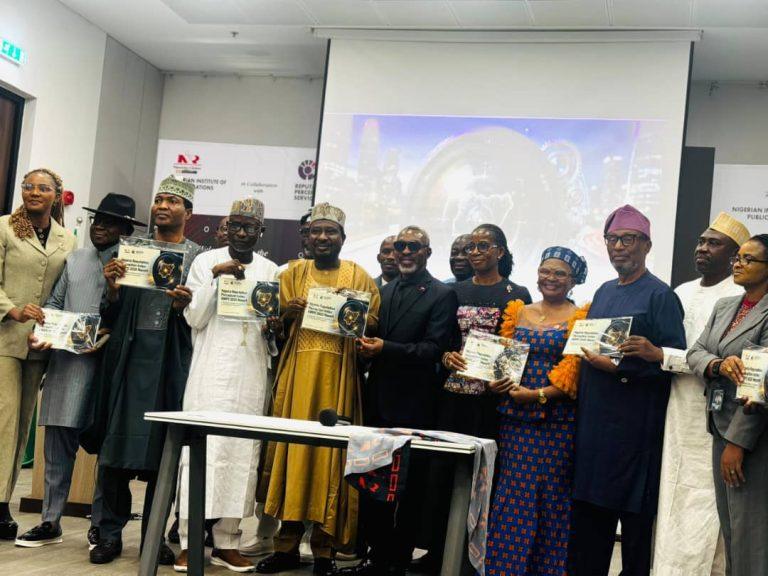
The Minister of Information and National Orientation, Mohammed Idris, has pledged the Federal Government’s readiness to deploy findings from the Nigeria Reputation Perception Index Report 2025 to reshape how the country is viewed both locally and internationally, describing national reputation as a governance issue that directly affects patriotism, diplomacy and investment.

Idris stated this at the public presentation of the Nigeria Reputation Perception Index Report 2025 in Abuja, the nation’s capital

Represented by the Director of Press in the ministry, Suleiman Haruna, the minister said the report provides the government with credible data to confront negative stereotypes and align public policy with citizens’ expectations.

“The National Reputation Perception Index Report 2025 is a pioneering document that interrogates how the global and local public view Nigeria. One critical outcome of this report is that government can use the data to catalyse the correction of negative stereotypes, including those hindering national positioning and patriotism, and not just foreign perceptions,” he said.

While commending the Nigerian Institute of Public Relations (NIPR) for elevating reputation management to a national priority, Idris stressed that the persistent trust gap between government and citizens underscores why reputation must be treated as a core governance concern.

“Let me commend the NIPR, under the leadership of Dr Ike Neliaku, for being forward-thinking and bringing national reputation to the front burner. The trust deficit between government and citizens endures because reputation is a governance issue. Therefore, governance has to make more effort to be in the interest of citizens,” he said.

According to the Minister, in a global environment where perception increasingly shapes outcomes, the report would serve as a strategic policy tool.

“In an era where perception shapes reality, this report stands as a strategic asset. It will inform public policy reforms, enhance diplomatic engagements, and improve investment inflows,” Idris added.

He said the administration of President Bola Ahmed Tinubu had already begun deliberate efforts to strengthen Nigeria’s image, linking reputation directly to governance performance.

“The government of President Bola Ahmed Tinubu is conscious of the fact that reputation is a derivative of governance. When you grow, your reputation grows. When you don’t, your reputation drops,” he said.

Idris cited ongoing initiatives aimed at projecting a more accurate and positive national image.

“Deliberate efforts like the National Values Charter and the National Reputation Management Group are already running to bring out the best of Nigeria to its local and foreign audiences. Projects in infrastructure, security and social investments are being pursued to support this objective,” he added.

He assured Nigerians that the ministry would fully engage with the report and apply its recommendations, stressing that sustained commitment across sectors was essential to translating perception into prosperity.

Also speaking, the Deputy President of the Senate, Senator Barau Jibrin, said the Nigeria Reputation Perception Index provides both a mirror to reflect the nation’s strengths and weaknesses and a compass to guide policy reforms and national reorientation.

“The Nigeria Reputation Perception Index provides us not only with a mirror to reflect our strengths and weaknesses, but also with a compass to guide policy reforms and national reorientation,” Barau said.

According to him, Nigeria has taken a bold step to systematically assess its perception across key dimensions, including governance, economy, security, institutions, culture, innovation, and social trust.

“I want to commend the organisers, researchers and partners behind this initiative for the foresight, professionalism and intellectual rigour that have culminated in today’s presentation,” he said.

“The introduction of a nationally grounded Reputation Perception Index marks a significant milestone in Nigeria’s journey towards evidence-based governance, strategic national branding and institutional accountability,” Barau added.

He noted that in today’s interconnected world, national reputation is no longer a matter of sentiment or propaganda but a strategic asset.

“How a nation is perceived by its citizens, investors, development partners and the global community directly influences its economic opportunities, diplomatic leverage, social cohesion and democratic legitimacy,” he said.

“Countries that understand, measure and deliberately manage their reputation are better positioned to attract investment, tourism, innovation and global partnerships,” Barau added.

In his remarks, the President and Chairman of Council of the Nigerian Institute of Public Relations (NIPR), Ike Neliaku, described reputation as a critical factor influencing investment decisions and national credibility.

“Reputation must be governed with the same seriousness as economic value. A more credible Nigeria would be cheaper to secure and more attractive for investment,” he said.

Neliaku disclosed that the project took about seven years, from its conception in 2019, involving engagements with organisations in Nigeria, Africa, Canada and other countries.

“We are recognised by law and mandated to regulate the practice and profession of public relations and use it to intervene in policy direction to ensure that Nigeria’s national interest and reputation are in good standing,” he said.

“This exercise is designed to reposition reputation as a strategic national asset—one that should inform public policy, diplomatic engagement, investment attraction and genuine national rebranding,” Neliaku added.

He said the event went beyond the presentation of a report.

“What we are unveiling today is a national capability driven by reputation intelligence, which is essential for economic transformation,” he said.

The keynote speaker, Ambassador Joe Keshi, said protecting Nigeria’s reputation was essential to achieving economic transformation, diplomatic influence and global respect.

The event, themed “Evidence, Perception and Nigeria’s Global Standing,” was organised by the NIPR in collaboration with Reputation Perception Services and attracted key stakeholders from the public and private sectors, including the Director-General of Voice of Nigeria, Malam Jibrin Baba-Ndace, and the Managing Director of the News Agency of Nigeria, Ali M. Ali.

PIAK

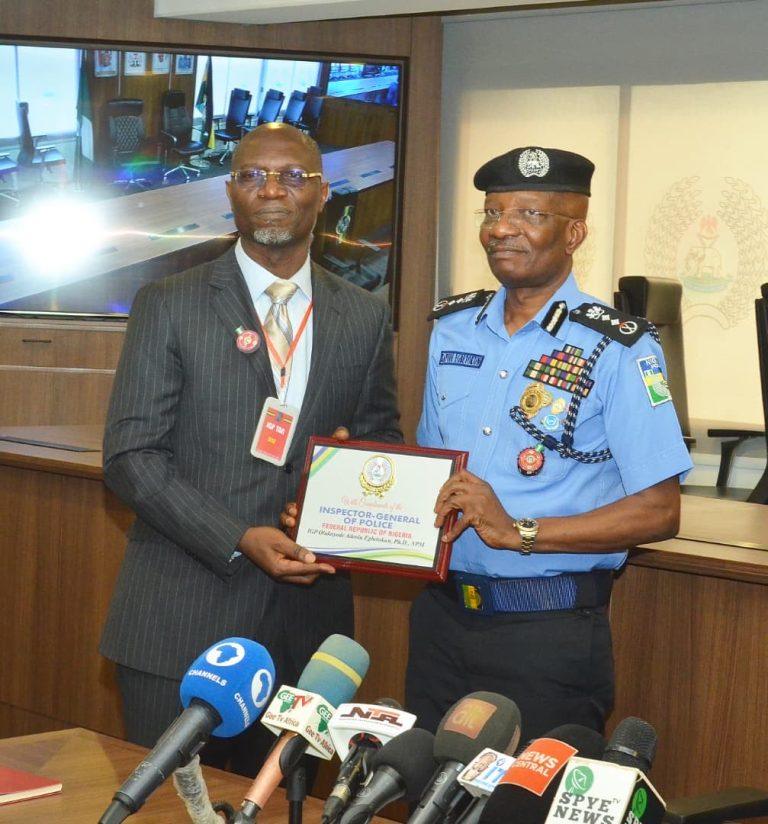
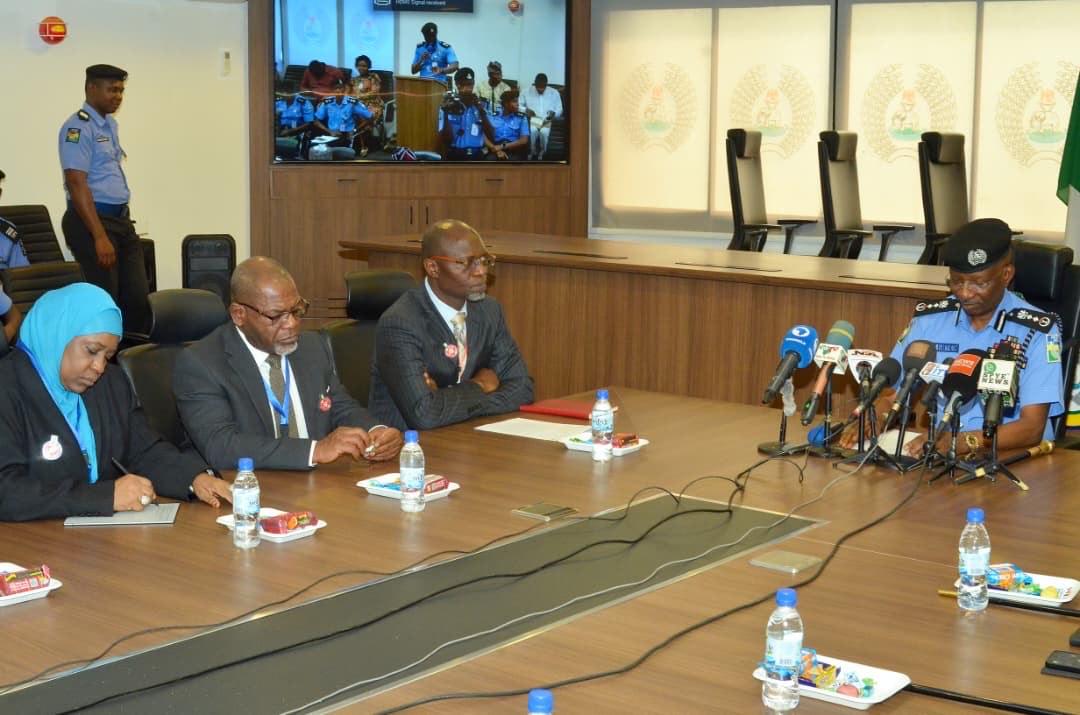
Commission Partners with Police Against Illegal Schemes

The Securities and Exchange Commission, SEC and the Nigeria Police Force have agreed to forge an alliance against illegal scheme operators, investment frauds, and cryptocurrency frauds.

This alliance is in a bid to protect the hard-earned savings and the financial dreams of the Nigerian people.

Director General of the SEC, Dr. Emomotimi Agama stated this during a meeting with the Inspector General of Police Kayode Egbetokun.

Agama said the Commission as the sentinel at the gate of Nigeria’s formal capital markets, has the mandate to protect investors, maintain fair, efficient, and transparent markets, and promote the growth of a vibrant economy built on trust, by setting rules, licensing operators and market surveillance.

He however stated that the Commission faces adversaries who operate in the shadows, outside regulated gates by exploiting the trust of people and promising miraculous returns such as 200% in 30 days.

“They cloak their deceit in the glamorous but misunderstood language of cryptocurrency and forex trading. They target the vulnerable, the optimistic, and the simply unsuspecting, leaving behind a trail of shattered lives, depleted pensions, and broken trust. This is not just a financial crime; it is a social menace that erodes public confidence in our entire financial system.

“Currently, there is a gap, a seam between identification and enforcement that these scammers exploit. Today, we aim to close that gap permanently.

Therefore, we propose a robust, institutionalized collaboration with the following pillars: Joint Intelligence and Operations Task Force: Capacity Building and Knowledge Transfer; Streamlined Processes for Enforcement and National Public Awareness Campaign” he stated.

Agama advocated the establishment of a dedicated SEC-NPF team that combines market intelligence, forensic accounting, and understanding of complex financial schemes with investigative and intelligence-gathering capabilities.

According to him, the team will be the rapid-response unit to new frauds.

Agama also sought the permission of the IGP to go into a Memorandum of Understanding with the Cyber Security Unit of the Police Force in a bid to ensure the cyber space is safe for all Nigerians.

“Mr. Inspector General, the fight against financial crime is a fight for the soul of our economy. It is a fight for the widow who has lost her savings, the youth lured by fake crypto promises, and the retiree seeking a safe return.

The SEC cannot win this fight alone. The Police should not have to decipher these complex schemes without specialist support. Together, however, we form an impenetrable shield.

“Let this meeting be remembered as the day the two guardians of Nigeria’s safety the safety of our streets and the safety of our savings joined hands. Let us send a clear, unequivocal message to every scammer, from the dusty streets to the dark web: Your time is up.

Nigeria’s investors are now under our combined protection. We are ready to work with you. We look forward to your guidance and partnership,” he added.

In his response, the IGP Kayode Egbetokun assured the SEC team that the Nigerian police Force, was ready to collaborate with the Commission, Strengthen partnership in all the ways possible, and ensure that the Commission achieves its aims.

He said, “Your role in the Securities and Exchange Commission is very crucial to the Nigerian Economy, and with our Supervision and Support from the government, we will ensure economic recovery and growth.

If the police unit in SEC is strengthened, it is going to make so much impact in your enforcement drive. What you said speaks so much to your determination to ensuring effective drive in the Capital market and when we are able to achieve effective enforcement, it comes with so many benefits”.

Egbetokun approved the collaboration with the Cyber Security Centre of the Police Fore while also congratulating the Commission on the recent achievement of 100 trillion naira market capitalization mark adding that it would aid economic growth and development.

VP Shettima Departs Abuja for Guinea-Conakry Presidential Inauguration

Vice President Kashim Shettima has departed Abuja to represent President Bola Tinubu at the inauguration of President Mamadi Doumbouya of Guinea-Conakry.

He is also scheduled to attend the 56th Annual Meeting of the World Economic Forum (WEF) in Davos, Switzerland, following his participation in the presidential inauguration in the West African country.

The Vice President will represent President Tinubu at the inauguration ceremony of President Doumbouya, following his election victory. The event is scheduled to take place on Saturday, 17 January, at the GLC Stadium, Nongo, Conakry.

Vice President Shettima’s attendance at the inauguration of President-elect Mamadi Doumbouya is considered a strategic engagement in advancing regional leadership, economic partnership and global economic integration under President Bola Ahmed Tinubu’s “Renewed Hope” agenda.

The visit also aligns with Nigeria’s leadership role within the Economic Community of West African States (ECOWAS), including support for Guinea’s return to constitutional order after a four-year transition period.

Also Read: VP Shettima Departs Abuja To Represent President Tinubu at G20 Summit

Beyond diplomatic solidarity, the visit is expected to deepen bilateral trade relations, which have recently recorded growth, with Nigerian exports to Guinea particularly manufactured goods and agricultural products rising to $3.29 million.

From Guinea, Vice President Shettima will proceed to Davos-Klosters, Switzerland, to participate in the 56th Annual Meeting of the World Economic Forum, scheduled to hold from 19 to 23 January 2026.

WEF 2026, themed “A Spirit of Dialogue,” will bring together leaders from government, business, civil society, and scientific and cultural communities to promote trusted dialogue, collaborative problem-solving and future-oriented solutions to shared global challenges.

Key discussions at the Forum will focus on transformations driven by frontier technologies such as artificial intelligence, quantum computing, next-generation biotechnology and advanced energy systems.

The central objective is to explore how these innovations can be responsibly deployed to unlock new growth opportunities, expand access across emerging markets, invest in skills for a changing workforce, and promote sustainable and equitable development.

During the Forum, Vice President Shettima is expected to engage global leaders and investors on Nigeria’s economic reform agenda, investment opportunities and Africa’s role in shaping a resilient and inclusive global future.

The Vice President is expected to return to Nigeria at the conclusion of his engagements in Davos.

Uganda’s President Museveni Takes Lead in Election Results

0

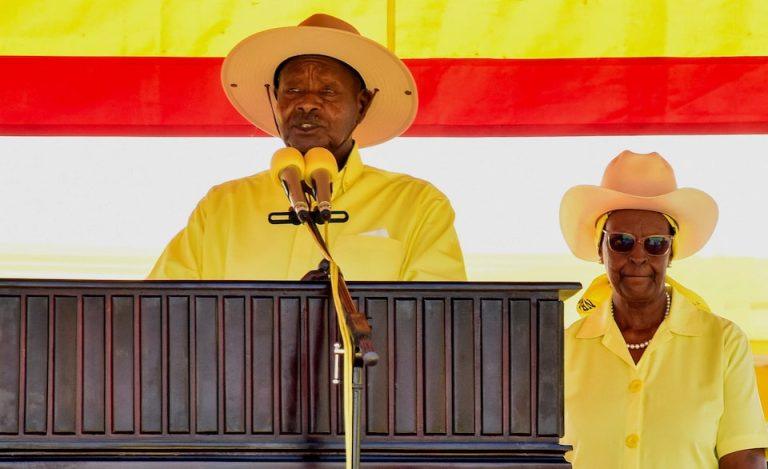
Ugandan President Yoweri Museveni held a commanding lead in early presidential election results announced on Friday as conflicting accounts emerged of violence reported after the vote.

Museveni, who is 81 and has ruled Uganda since seizing power in 1986, wants a decisive victory following a campaign marred by violence at opposition rallies.

Results announced by the electoral commission from Thursday’s election showed Museveni with 76.25% of the vote based on tallies from nearly half of polling stations. His main challenger, popular singer Bobi Wine, trailed with 19.85%, and the remaining votes were split among six other candidates.

Museveni had told reporters after casting his ballot
on Thursday that he expected to win with 80% of the vote “if there’s no cheating.”

Wine alleged mass fraud during the election, which was held under an internet blackout that authorities said was needed to prevent “misinformation” and called on supporters to protest.

The U.N. human rights office said last week that the election was being held in an environment of “widespread repression and intimidation” and recent political violence in neighbouring Tanzania and Kenya amplified fears about unrest in Uganda.

There were no reports of protests during voting hours, but violence broke out overnight in the town of Butambala, about 55 km (35 miles) southwest of the capital Kampala.

Reuters

Deputy Speaker Calls for Unity to Strengthen Agriculture Sector

The Deputy Speaker of the House of Representatives, Mr. Benjamin Okezie Kalu, has called on stakeholders in the agriculture sector to work together to address Nigeria’s food security challenges.

Kalu made the call while speaking at the Annual General Meeting of the All Farmers Association of Nigeria (AFAN) in Abuja, where he stressed the need for unity and collective action to transform the sector.

He described agriculture as central to Nigeria’s future, noting that every job created in the sector feeds a household and keeps young people employed.

The Deputy Speaker urged farmers to organise themselves, embrace technology, and increase productivity. He also called on the government to establish a formal dialogue with agricultural leaders and develop sector-wide roadmaps.

Addressing AFAN leadership, Kalu said, “Establish a formal dialogue with the government on priority constraints. Develop sector-wide roadmaps for major commodities such as maize, rice, poultry and horticulture. Create working groups on infrastructure, finance, technology and markets. Be the architect of Nigeria’s agricultural future, not merely its commentator.”

He challenged state governments to prioritise agriculture in their budgets.

“To state governments: Allocate at least 5 percent of your budget to agricultural infrastructure. Implement the market mapping frameworks we have pioneered. Use data to target investments. Hold yourselves accountable for agricultural output and job creation in your states,” he said.

Kalu also called on the private sector to deepen its involvement in agriculture.

“To the private sector: Take risks. Invest in processing, logistics and market systems. Work with smallholders as partners, not vendors. Build the ecosystems that will make Nigeria a regional agricultural powerhouse,” he stated.

Addressing farmers directly, the Deputy Speaker said, “Organise. Embrace technology. Increase your productivity. You are not asking for charity. You are building wealth and feeding a nation. Demand the infrastructure and services you deserve.”

Kalu further reminded all stakeholders of agriculture’s importance to national stability.

“To all stakeholders: Agriculture is not marginal to Nigeria’s future. It is central. Every job created in agriculture is a household fed and a young person kept in the country rather than pushed toward cities or external migration. Every productivity gain in farming is stability in the polity,” he said.

He lamented the lack of collective resolve, despite Nigeria’s resources and policies.

“We have the resources. We have the policy environment. We have the partnerships. What we lack is unified will. Let us demonstrate that today and carry it back to our constituencies, our businesses, our farms and our communities,” Kalu explained

He concluded that the responsibility for food security goes beyond the government alone.

“The future of food security in Nigeria rests not with government alone, but with the collective action of this association and the millions of Nigerians who till the soil, trade the harvest and feed the nation,” he added.

120 Goals: AFCON 2025 Sets New Scoring Record

0

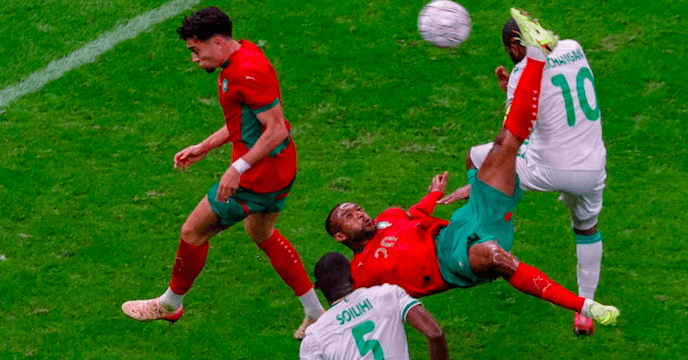
The CAF Africa Cup of Nations, tagged Morocco 2025, has rewritten the competition’s history after becoming the highest-scoring edition ever, with 120 goals already scored ahead of Saturday’s bronze match and Sunday’s finale.

The landmark figure surpasses the previous record of 102 goals set at the 2019 tournament in Egypt and underlines the attacking intent, technical quality and growing confidence of teams across the continent.

Several of the continent’s heavyweights played leading roles in the scoring surge. Senegal, Nigeria, Morocco and Côte d’Ivoire all showcased attacking depth, while emerging talents matched established stars for influence and impact.

Among the highest contributors of goals to the impressive scoring record are some of Africa’s top players including Brahim Diaz of Morocco, who leads the scoring charts with five goals.

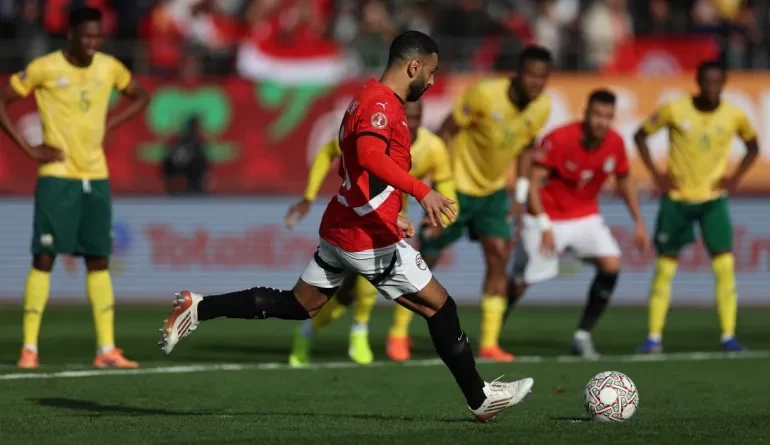
He is closely followed by superstars Mohammed Salah of Egypt and Nigeria’s Victor Osimhen, who have four goals each and with both players involved in the third place playoff, the top scorer gong is still up for grabs.

With two matches still to be played, the record could yet be extended, capping a tournament that has consistently delivered entertainment, drama and high-quality football.

From the opening round, AFCON 2025 signalled its intent. Coaches embraced bolder tactical approaches, forwards thrived in expansive systems and matches frequently swung on moments of individual brilliance or collective attacking flair.

The expansion to 24 teams has often been debated, but Morocco 2025 has shown how depth across African football is translating into competitive, goal-filled encounters rather than cautious stalemates.

Thrilling comebacks, late winners and end-to-end contests became a familiar theme as fans were kept on edge throughout the group and knockout stages.

The previous record from Egypt 2019 was broken even before the tournament reached its decisive phase, with the knockout rounds continuing the trend rather than slowing it down. Pressure, traditionally associated with tighter football, failed to stifle creativity or ambition.

Morocco’s stadiums, filled with colour, noise and energy, provided a fitting backdrop as goals flowed and celebrations echoed from Tangier to Rabat. Home support added to the spectacle, but the scoring story stretched far beyond the hosts.

More than a statistic, the 120-goal milestone reflects a wider shift in African football. Players are more tactically versatile, physically prepared and technically assured, while teams are increasingly willing to play on the front foot.

As AFCON 2025 heads towards its conclusion, this record-breaking edition has already secured its place in history — not only for the numbers it produced, but for the statement it made about the present and future of African football.