Home Blog Page 382

NCTC Urges Responsible Media Reporting On Security Operation

0

The National Counter Terrorism Centre (NCTC) has urged the media to exercise responsibility, safeguard sensitive security information, and seek clarification through designated official spokespersons when reporting on ongoing counter-terrorism operations across Nigeria.

The call follows recent reports published by some online platforms concerning security operations in forested areas of Kwara State, which the Centre described as inaccurate and capable of undermining operational safety.

According to a statement by the Head of Strategic Communications, National Counter Terrorism Centre, Abu Michael, “the NCTC, under the Office of the National Security Adviser, continues to coordinate and support law enforcement, security and intelligence agencies in line with the Terrorism Prevention and Prohibition Act, 2022.”

The Centre explained that “Nigeria’s counter terrorism framework, guided by the National Counter Terrorism Strategy (NACTEST), includes the deployment of hybrid forces, combining regular security personnel with trained auxiliary elements to operate effectively in difficult terrains, including forests.”

This approach, the NCTC noted, previously informed the engagement of the Civilian Joint Task Force in the North East, where trained civilian volunteers supported Armed Forces operations against Boko Haram insurgents.

The same operational model, it said, currently applies in parts of the North West and North Central, where hybrid deployments are aimed at degrading the capabilities of bandit, criminal and terrorist groups, with recorded operational successes.

Clarifying the situation in Kwara State, the Centre stated that ongoing operations follow the same established framework, stressing that limited public information is deliberate due to the sensitive nature of such engagements.

It explained that details are restricted to prevent operational compromise and to protect the safety of both security personnel and auxiliary forces.

“For the avoidance of doubt, the statement said, “the Nigerian Government and its agencies are not conducting kinetic operations with any socio-cultural groups.”

The NCTC also dismissed claims that the Office of the National Security Adviser had provided arms to any socio-cultural organisation, describing such reports as false and misleading.

It clarified that all hybrid personnel involved in counter terrorism operations are recruited directly by authorised security and intelligence agencies after due diligence, and that all operations are conducted strictly in accordance with the law and established standard operating procedures.

The Centre therefore advised the public to disregard unverified reports that misrepresent the conduct of counter terrorism operations, while urging the media to uphold professional standards and national responsibility in security reporting.

The NCTC reaffirmed its commitment to an open-door policy aimed at deepening stakeholder understanding of Nigeria’s counter terrorism efforts and sustaining public trust.


Nigeria Reopens All Closed 47 Unity Colleges, Assures of Safety

0

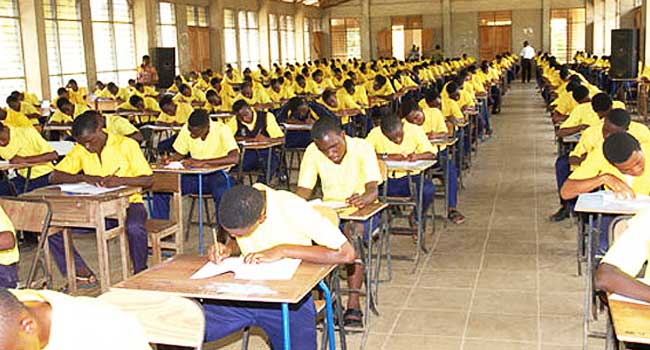
The Nigerian government has reaffirmed its unwavering commitment to safeguarding students and ensuring the continuity of education across the country, following the reopening of the 47 Unity Colleges closed earlier.

The Ministry of Education had in late November, 2025 closed down the 47 Unity Colleges citing security concerns.

The Director of Press Ministry of Education, Boriowo Folashade in a statement noted that after the strengthening of security architecture within and around the affected schools, academic activities have fully resumed.

Students have returned safely to their campuses, with many currently concluding their December academic programmes, while others have successfully completed their examinations.

The Federal Ministry of Education assures parents, guardians, and the general public that the safety, welfare, and well-being of students remain a top priority. The Government continues to work closely with relevant security agencies to sustain stability and restore normalcy within school environments nationwide.”

According to her, the Federal Government remains resolute in its responsibility to protect every Nigerian child and to uphold their fundamental right to education in a safe and secure environment.

This administration places strong emphasis on human capital development and recognises education as a critical pillar for national growth and development. Accordingly, it remains determined to prevent any disruption to the academic calendar.

“The safe return of students and the successful conduct of examinations in several Unity Colleges underscore the Government’s resolve to keep learning on track despite prevailing challenges.”

She added that the Federal Ministry of Education appreciates the cooperation, patience, and support of parents, school administrators, and students. The ministry also reiterated its commitment to sustaining a secure, stable, and uninterrupted education system across the nation.


ADP Chairman Supports Dangote, Calls for National Interest

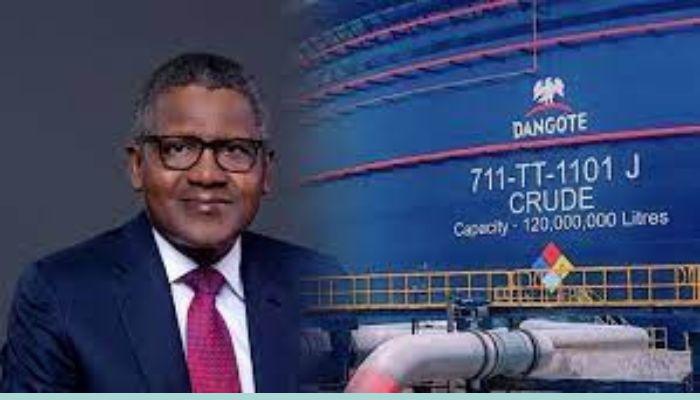
The National Chairman of the Action Democratic Party, ADP, Mr. Yabagi Sani has described the recent drop in fuel pump price by the Dangote Refinery as “A stand with production, value addition, and national interest.”

Mr. Sani stated this in a statement made available to journalists in Abuja shortly after the Chairman of Dangote Refinery, Aliko Dangote announced a reduction in fuel pump price in Nigeria.

The ADP National Chairman also stated that Nigeria has suffered for decades in “an entrenched petroleum products import cartel that has held the nation hostage for decades without national interest”.

He lamented that those cartel in the oil sector sell petroleum products at inflated prices, draining foreign exchange, enriching middlemen, and institutionalizing Nigeria.

He said that by so doing “Nigeria is witnessing a shameful and dangerous confrontation between domestic industrial progress and protecting an import cartel whose survival depends on Nigeria remaining structurally weak.”

The National Chairman of the Action Democratic Party, ADP, Mr. Yabagi Sani

Mr. Sani noted that “the Dangote Refinery is designed to end this scam from those cartel that benefited from subsidies, opaque FX allocations, shipping arbitrage, for over 40 years.

“Nigeria was forced into the absurdity of exporting crude oil only to import refined” he said.

“The resistance faced by the Dangote Refinery is not accidental, technical, or market-driven. It is signed” he added.

The ADP National Chairman further cautioned government at all levels that “any country that frustrates its own domestic refining capacity in favour of fuel importers continues to empower import cartels, FX arbitrage, and economic sabotage”.

Mr. Sani charged the government to continue to promote local refinery in the country.

President Tinubu, as part of his Renewed Hope Agenda, removed the fuel subsidy at the inception of his administration, demonstrating his determination and resolve to end the scam.


Olusola Akintonde

Nigeria Pledges To Tackle Triple Planetary Crisis

0

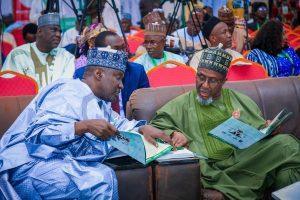
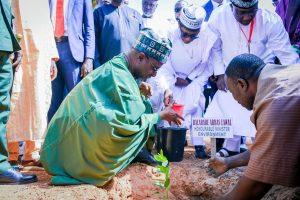
The 18th National Council on Environment (NCE) meeting has ended in Katsina State, North-West Nigeria, with a renewed national commitment to addressing climate change, biodiversity loss and pollution.

The challenges, collectively known as the triple planetary crisis, are widely recognised as a major threat to Nigeria’s sustainable development, economic resilience and environmental security.

Speaking at the close of the meeting, the Governor of Katsina State, Dr Dikko Umar Radda, represented by the Deputy Governor, Mallam Farouk Lawal Jobe, reaffirmed the state’s strong dedication to environmental sustainability.

He noted that the Governor’s early approval of funding and sustained political support were critical to the successful hosting of the Council, describing the NCE as a vital platform for policy alignment, collaboration, and coordinated national action on environmental challenges.

Delivering the keynote address, the Minister of Environment, Balarabe Abbas Lawal, described the Council’s theme, “Tackling the Triple Planetary Crisis of Climate Change, Biodiversity Loss, and Pollution for Sustainable Development in Nigeria” as both timely and urgent.

He warned that rising temperatures, desertification, flooding, pollution, and ecosystem degradation are already eroding livelihoods across the country.
According to the Minister, these challenges are deeply interconnected and demand an integrated, science-based, and multi-sectoral response. He stressed that isolated interventions would be insufficient to address the scale and complexity of the crisis.

Minister Lawal commended Katsina State for its leadership in climate governance, citing its second-place ranking in the 2025 Subnational Climate Governance Performance Ranking.

He highlighted the state’s Green Economy Roadmap, which prioritises renewable energy, dryland agriculture, eco-tourism, waste-to-energy solutions, and climate-smart development.

The Minister further noted the state’s plans to establish a Green Investment Fund and implement a 2025–2030 Climate Action Plan, urging other states to emulate Katsina’s approach by turning environmental challenges such as desertification and soil degradation into opportunities for economic growth and job creation.

Reaffirming the Nigerian Government’s commitment, the Minister outlined ongoing national initiatives, including the Nigeria Energy Transition Plan, the Great Green Wall Programme under the leadership of its Director-General and CEO, Saleh Abubakar, MFR, the National Policy on Plastic Waste Management, as well as renewable energy and clean cooking policies.

He also called for innovative financing mechanisms such as public-private partnerships, green bonds, climate funds, and carbon markets, and encouraged stronger private-sector participation.

He identified corporate organisations, including the Dangote Group and the Nigeria Bottling Company, as potential partners in environmental restoration and sustainability initiatives.

The NCE brought together Commissioners responsible for environmental matters from the 36 states and the Federal Capital Territory, alongside development partners, academics, private-sector stakeholders, and civil society organisations.

Participants reviewed technical submissions, deliberated on key memoranda, and adopted resolutions expected to shape future environmental policies and interventions across the country.

Nigeria Customs Foil Drug and Food Smuggling Operations

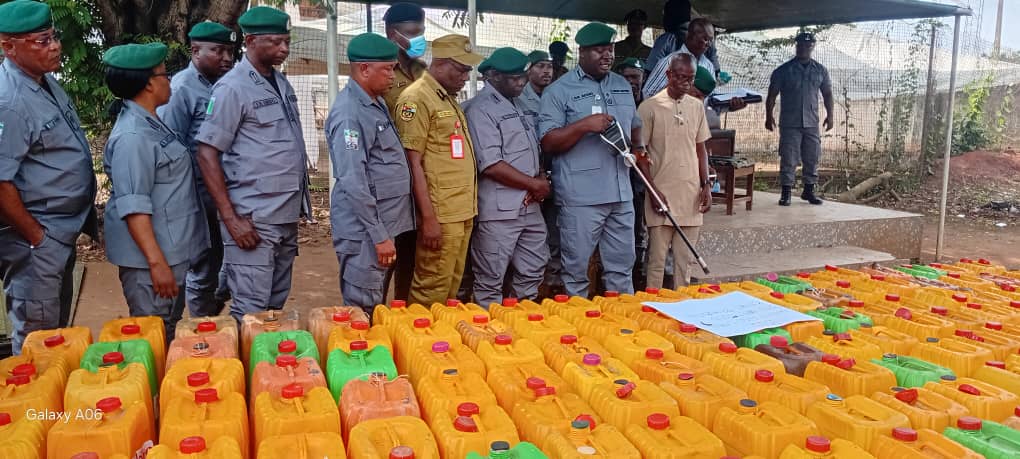
The Nigeria Customs Service has intercepted large narcotics and prohibited food items at the Idiroko border in Ogun State, southwest Nigeria, in a series of intelligence-led operations.

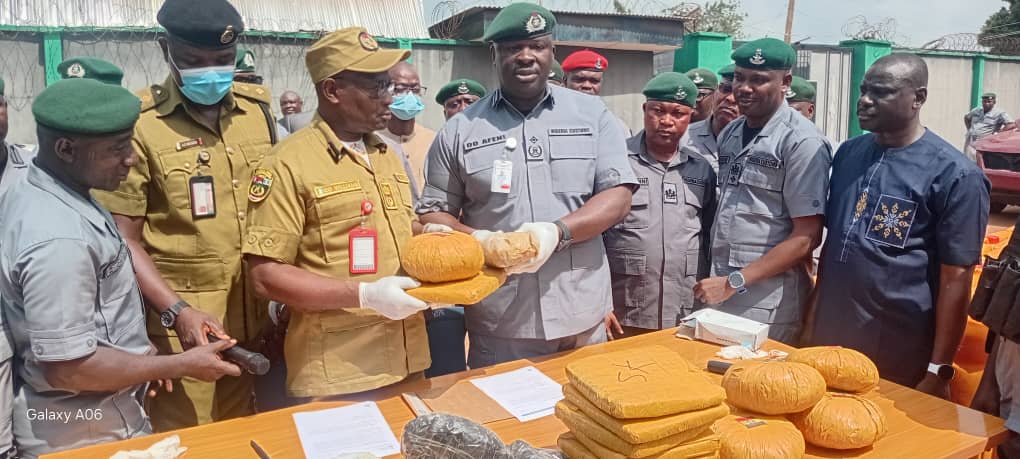
The seizures were announced by the Acting Area Controller of the Ogun 1 Area Command, Deputy Comptroller Oladapo Afeni, during a media briefing on the command’s activities over the past 11 days since he assumed office.

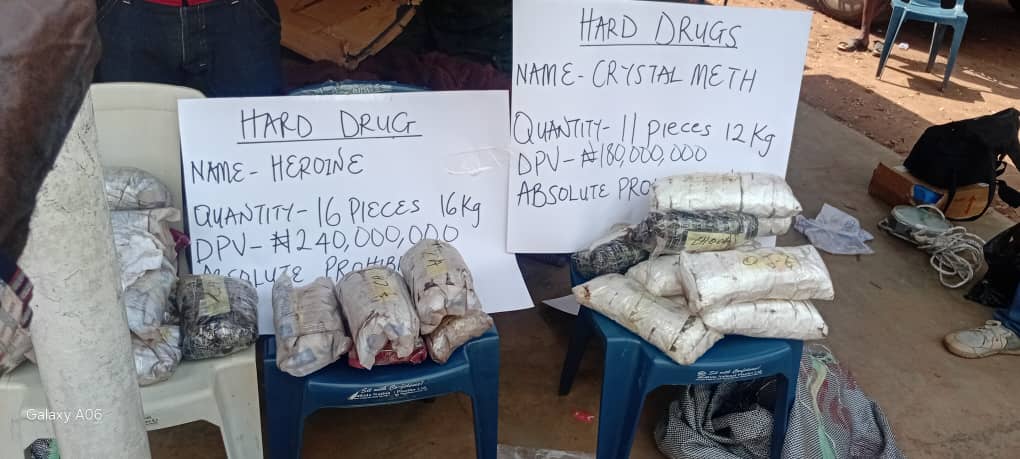
According to Afeni, Customs officers intercepted 16 packages of heroine weighing 16 kilograms and 11 packages of crystal methamphetamine (known as ICE) weighing 12 kilograms, which were being smuggled into the country through the border area. The combined Duty Payable Value (DPV) of the narcotics was put at approximately ₦463 million.

Additional drug seizures included cannabis sativa in various forms and sizes—128 doughnut-sized units, 2,752 coconut-sized units and 401booklet-sized units—with a combined weight of about 1,502 kilograms.

Afeni said the drugs were intercepted in six intelligence- driven operation conducted between December 4 and December 15, 2025, across different locations in Ogun State. He described the seizures as particularly alarming due to the serious risks posed to public health, youth development and national security.

In line with inter-agency cooperation, the seized narcotics were formally handed over to the National Drug Law Enforcement Agency (NDLEA),Idiroko Special Command, for further investigation and prosecution.

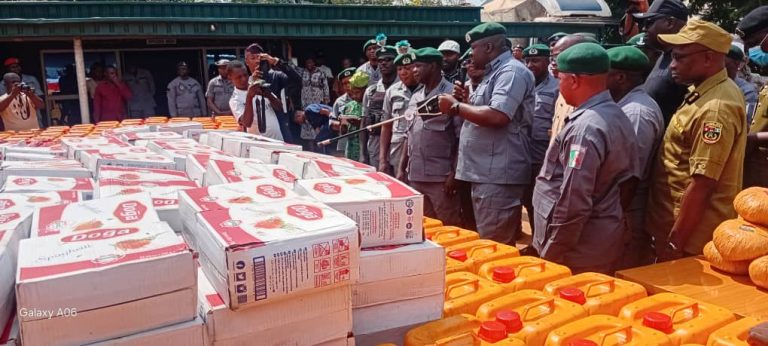
Beyond narcotics, the Customs chief also reported major seizures of prohibited food imports. On December 12, officers intercepted a truck carrying 4,998 cartons of foreign pasta and 419 spaghetti, all weighing 10 kilograms each and illegally imported from Turkey.

Similarly, another operation led to the interception of a truck transporting 2,200 kegs of vegetable oil, each containing 25 litres and of Indonesian origin. Afeni noted that these food items are classified as prohibited imports under Nigerian law. The combined DPV of the food items was estimated at ₦291.26 million, while the trucks used for transportation were valued at ₦222 million.

He warned that smuggled food products pose significant health risks, as they often bypass regulatory checks and safety standards. Both the goods and the vehicles, he said, are liable to forfeiture to the federal government in accordance with existing laws.

“The dangers in these food items finding their way to the open market lie in consuming substandard products that have not been subjected to health checks and declared fit for consumption by relevant agencies in Nigeria. It may interest us to know that unscrupulous tradesmen deliberately smuggle in substandard food items and profit on the health risk of non-suspecting Nigerians”.

Other seizures recorded by the Ogun 1 Area Command during the period include 6,750 litres of petrol, 4,738 bags of foreign parboiled rice (50kg each), two foreign-used vehicles, eight means of conveyance and 309 bundles of used tyres. The total DPV of all seizures across multiple border corridors was estimated at ₦1.5 billion.

Although primarily an enforcement command, Afeni disclosed that the unit also generated ₦27.29 million in revenue during the period, attributing this to the diligence of officers and compliance by legitimate traders.

Reaffirming the command’s commitment to border security, Afeni said the Nigeria Customs would continue to deploy technology, intelligence and inter-agency collaboration to dismantle smuggling networks and protect the country’s economic and security interests.


Olusola Akintonde

Marine Ministry Launches ECMS Digital Platform to Enhance Transparency

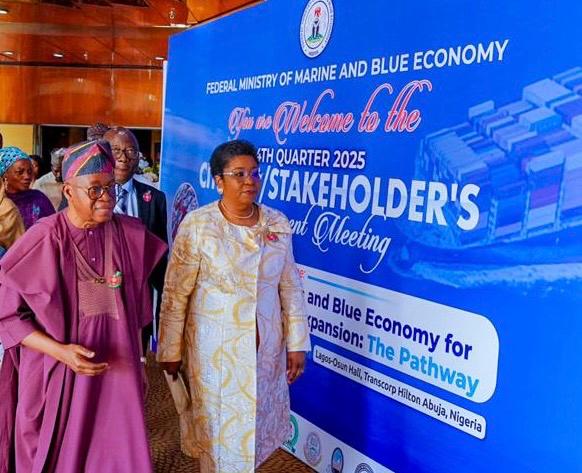
The Ministry of Marine and Blue Economy have launched its digital platform the “Enterprise Content Management System” (ECMS) to ensure transparency, accountability and efficient service delivery.

The Platform will enable the Ministry store documents safely, find documents quickly without searching through paper folders, share information easily between departments, track activities to know who created, edited, or approved a document, reduce paperwork and make processes faster.

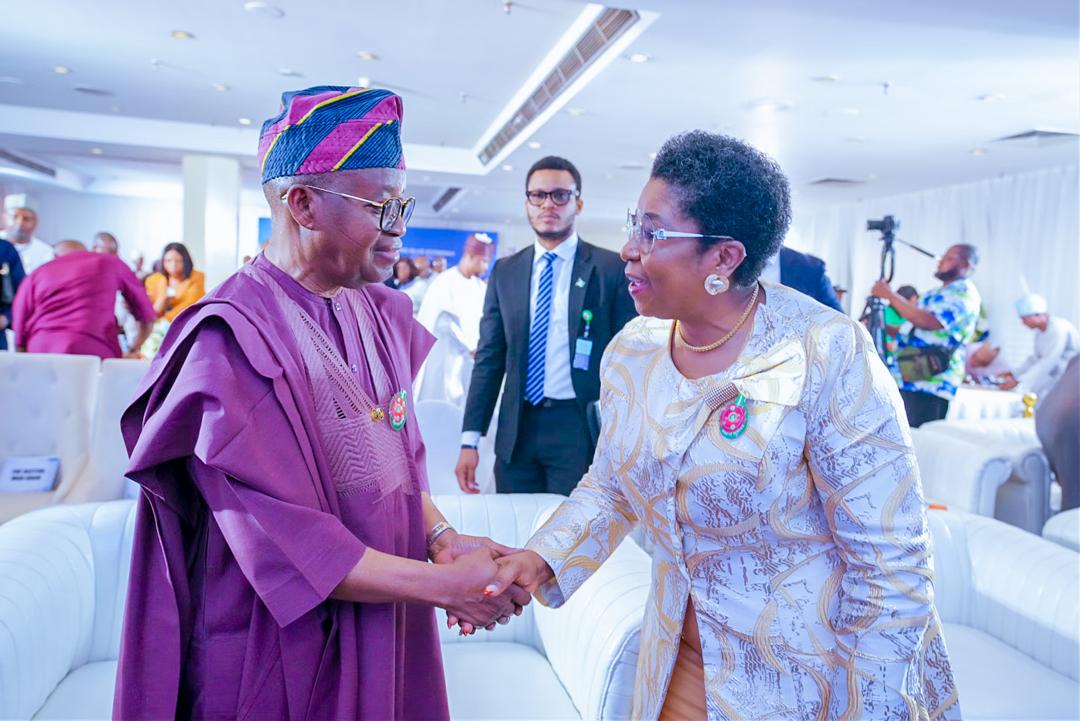
Speaking at the launch, the Minister of Marine and Blue Economy Dr, Adegboyega Oyetola said through the ECMS the Ministry is streamlining its workflow to properly meet up with investors demand,

“A digitally enabled ministry is a more responsive ministry. Through the ECMS, we are streamlining workflows, strengthening records, management, improved decision making, and enhancing our capacity to support investors, operators, and partners with speech, clarity, and Integrity”

He described the platform as a strategic investment that goes beyond internal administration to drive efficiency, transparency, accountability, and improved service delivery.

The Head of the Civil Service of the Federation, Mrs. Didi Walson-Jack commended the digitization move by the Ministry saying that the Ministry is strategically placed in Nigeria’s economic trajectory.

“The Federal Ministry of Marine and Blue Economy occupy a uniquely strategic space in our national architecture. From ports and shipping to maritime safety, ocean resources, and coastal development. This ministry sits at the intersection of trade, security, sustainability, and economic growth.

“It is therefore both symbolic and strategic that a ministry overseeing our waters has chosen to sail decisively into digital governance rather than remain anchored in a paper-based process”

She said the ECMS will ensure that the Ministry is supported by reliable records and timely access to information

“This launch is about speed, accountability, institutional memory, and better decision-making. It is about ensuring that maritime governance, policy coordination, and economic planning are supported by reliable records, timely access to information, and systems that work as efficiently as the people who operate them”

The digital migration of the Ministry of Marine and Blue Economy is in line with the Presidential directive on digitalisation of administrative operations for Ministry, Departments and Agency by the end of December 2025.


Olusola Akintonde

Oyo House of Assembly Passes 2026 Budget

0

The Oyo State House of Assembly has passed the 2026 Appropriation Bill into law, approving a total budget of N892,085,074,480.79.

The bill was passed following the presentation of the report of the House Committee on Finance, Appropriation and State Economic Planning.

Oyo Governor Seyi Makinde, had on Monday, November 24th, 2025, proposed a total of N891,985,074,480.79 Appropriation Bill for the 2026 fiscal year before the State House of Assembly.

The figure was against the N684 billion approved by the lawmakers in the outgoing 2025 fiscal calendar.

The figure, about N100m more than the amount presented by the governor, was passed by the lawmakers less than one month after it was presented by the governor, building on the Assembly’s legislative culture of budget passage before the commencement of a new calendar year.

Read Also: Sokoto Governor Presents ₦758.7bn 2026 Budget To Assembly

2026: Kebbi Governor Signs ₦642.9bn Budget of Transformation

Speaking shortly after the passage, the Member representing Egbeda State Constituency, and Chairman of the Committee on Finance, Appropriation and State Economic Planning, Olasunkanmi Babalola, described the moment as “historic,”. He emphasised the Assembly’s commitment to fiscal discipline, infrastructure development, and timely governance.

Babalola stated: “It was a total exercise across all ministries, departments, and agencies. We identified areas where funds could be better utilised, leading to a strategic reallocation of N2 billion from overhead to capital expenditure.”

The adjustment, according to him, reduced the overhead budget from N389 billion to N387 billion, while increasing capital expenditure to over N504 billion, signaling a deliberate shift toward developmental projects and long-term investments in the state’s infrastructure.

Babalola, who is the Deputy Leader of the House, assured citizens that the 2026 budget reflects the priorities of the people of Oyo State and will continue to deliver the dividends of democracy.

“We are the representatives of our people, and we are committed to ensuring that this budget translates into real impact across all constituencies. Our various House committees will embark on comprehensive oversight functions across all MDAs to ensure transparency and accountability,” Babalola said.

He noted that passing the budget before the end of the year has become a legislative culture in Oyo State, driven by the desire to ensure that the government hits the ground running from January 1.

“The national budget cycle runs from January to December. If we delay until February, we’re already behind. Our goal is a 24/7 budget that starts working from day one,” he said.

In response to recent concerns raised by Governor Seyi Makinde regarding indiscriminate waste disposal, Babalola confirmed that the Ministry of Environment and Natural Resources is a key beneficiary of the 2026 budget.

“Through the Committee on Environment, we will ensure that waste management and environmental sustainability are addressed effectively in 2026. Our role is to ensure a transparent and accountable budget that meets the needs of our people,” the lawmaker added..

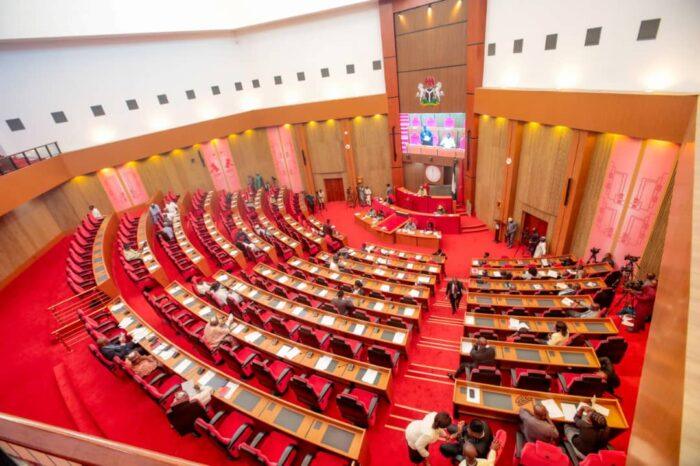
Nigerian Senate Confirms 34 Career, 30 Non-Career Ambassadors

The Nigerian Senate has confirmed the appointment of the remaining 64 ambassadorial nominees.

Thirty-four (34) of them are career ambassadors while the remaining 30 are non-career ambassadors.

Their confirmations followed the consideration of the report of the Senate Committee on Foreign affairs, which conducted the screening exercise.

Those confirmed on Thursday at the Plenary include former governor of Enugu State, Ifeanyi Ugwuanyi; immediate past chairman of the Independent National Electoral Commission (INEC), Mahmood Yakubu; ex-minister, Femi Fani-Kayode and ex-presidential aide, Reno Omokri.

Others in the list include a former governor of Abia State, Okezie Ikpeazu; a former deputy governor of Lagos State, Femi Pedro.

Ondo Senator and businessman, Jimoh Ibrahim; a former Ekiti first lady, Erelu Angela Adebayo and former Adamawa Senator, Grace Bent also made the list of nominees.

Others confirmed as non-career ambassador designates are Ogbonnaya Kalu from Abia; a former speaker of the Katsina House of Assembly, Tasiu Musa Maigari; a former Commissioner in Plateau State and ex-deputy executive secretary of the Universal Basic Education Commission (UBEC), Yakubu N. Gambo.

A former Senator from Plateau, Nora Ladi Daduut; Nkechi Linda Ufochukwu from Anambra State; ex-First Lady of Oyo, Fatima Florence Ajimobi; former Lagos Commissioner, Lola Akande, and the former ambassador of Nigeria to the Holy See, Paul Oga Adikwu from Benue State were also confirmed.

Read Also: Nigerian Leader Forwards Ambassadorial List To Senate

President Tinubu Sends Additional 32 Ambassadorial Nominees To Senate

Nigeria’s President Seeks Senate Confirmation for Ambassadorial Nominees

Apart from these, other career ambassadors and high commissioner-designates were also confirmed by the Nigerian Senate.

They are Enebechi Monica Okwuchukwu (Abia), Yakubu Nyaku Danladi (Taraba), Miamuna Ibrahim Besto (Adamawa), Musa Musa Abubakar (Kebbi), Syndoph Paebi Endoni (Bayelsa), Chima Geoffrey Lioma David (Ebonyi) and Mopelola Adeola-Ibrahim (Ogun).

Abimbola Samuel Reuben (Ondo), Yvonne Ehinosen Odumah (Edo), Hamza Mohammed Salau (Niger), Ambassador Shehu Barde (Katsina), Ambassador Ahmed Mohammed Monguno (Borno) were equally on the list of nominees.

Others are Ambassador Muhammad Saidu Dahiru (Kaduna), Ambassador Olatunji Ahmed Sulu Gambari (Kawara) and Ambassador Wahab Adekola Akande (Osun).

A breakdown of the list shows that there are four women on the career ambassadors’ list and six on the non-career ambassadors’ list.

The Nigerian Senate had last week confirmed three other non-career ambassadors. They are Lateef Kayode Kolawole Are from Ogun State, Aminu Muhammad Dalhatu from Jigawa State, and Emmanuel Ayodele Oke from Oyo State, bringing the total number of confirmed nominees to 67.

Sokoto Govt Empowers 600 Youths with Working Tools

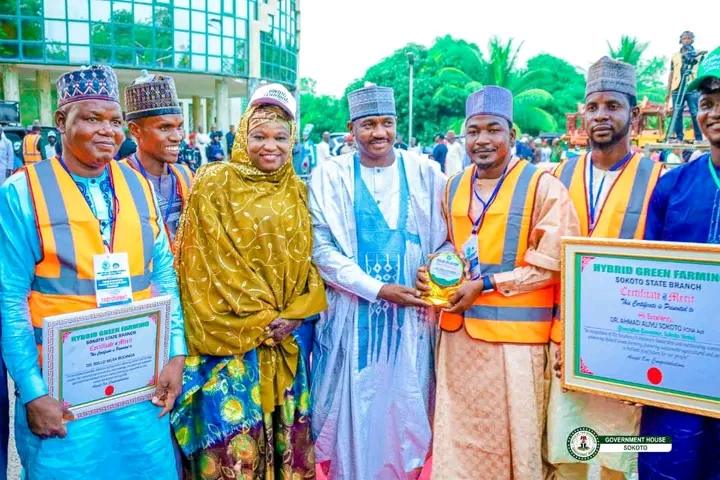
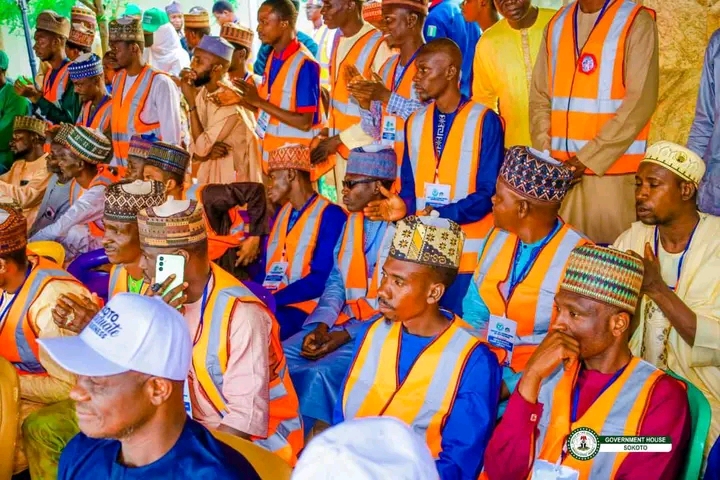
Sokoto State Governor, Dr. Ahmed Aliyu, has flagged off the disbursement of ₦60 million to 600 youths trained in various skills under SOSMEDA and Community Development.

Out of the 600 youths trained, 350 were trained in tailoring, rice processing, and hybrid farming by the Department of Community Development while the rest 250 were trained in solar installation and maintenance by SOSMEDA.

Each beneficiary received ₦100,000 and working tools to support their entrepreneurial pursuits.

According to the governor, the training program was aimed at empowering the youths to become self-reliant, productive, and contribute to the state’s economic development.

He said his administration had so far trained over 3,750 young men and women in various skills acquisition program.

The governor urged the beneficiaries to utilize the grants and tools wisely, assuring them that the state government would continue to support them with skills acquisition programs and other initiatives to alleviate poverty and related social issues.

This initiative, he said, further strengthens government’s commitment, leading to the creation of the Ministry for Skills Acquisition and Entrepreneurship, aimed at equipping more youths with adequate skills to drive economic growth and development.

Read Also: Youth Ministry’s New Permanent Secretary Targets Stronger Service Delivery

Youth Ministry Launches Enterprise Content Management System

Earlier, the Special Adviser to the Governor on Community Development, Alhaji Garba Maitumbi Kebbe, commended the governor for his unwavering support to the youth empowerment program.

He noted that the program has made a significant impact in the lives of many young people in the state and expressed optimism that the beneficiaries would utilize the skills acquired to become self-reliant and contribute to the state’s economic development.

Maitumbi further stated that the state government is committed to providing a conducive environment for businesses to thrive and urged the beneficiaries to be good ambassadors of the program by repaying the trust and support given to them.

He also urged them to take advantage of the skills acquired to establish their own businesses and create jobs for others.

The Executive Secretary of SOSMEDA, Hajiya Binta Usman, expressed gratitude to the governor for his vision and leadership, which has led to the success of the program.

She commended the beneficiaries for their dedication and hard work, urging them to continue utilizing the skills acquired to improve their lives and contribute to the state’s economic development.

The Representative of the Sultan of Sokoto, the District Head of Wurno, Alhaji Kabiru Chigari Alhassan, commended the governor for the initiative, which he said was in line with the teachings of Islam and the values of the Sokoto Caliphate.

He prayed for the governor’s success and the prosperity of the state, urging the beneficiaries to use the skills acquired to benefit themselves, their families, and the larger community.


Olusola Akintonde

Youth Coalition Calls for Increased Security Support

0

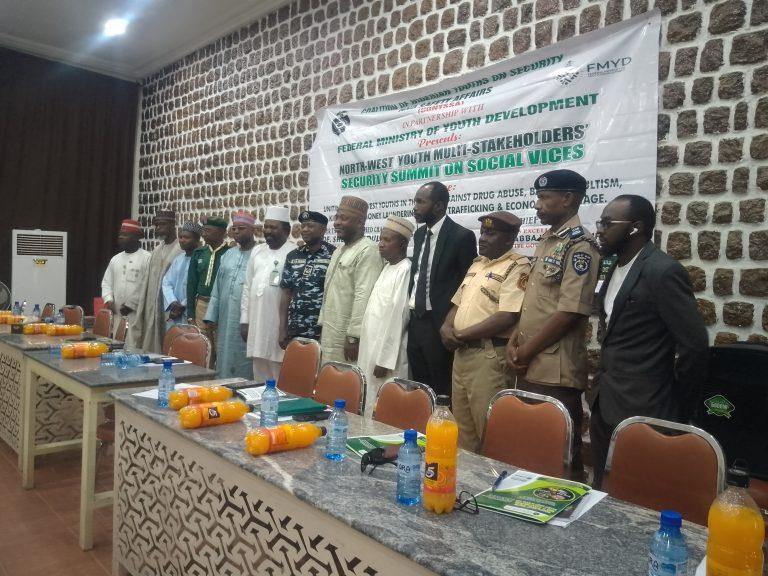
The Coalition of Nigerian Youths on Security and Safety Affairs has called on the Nigerian Government to significantly strengthen support for security agencies.

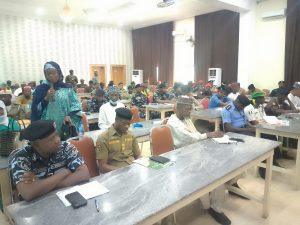
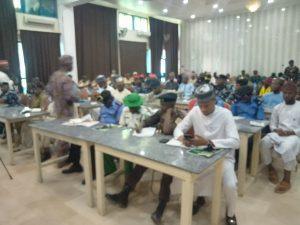
The call was made by the Director-General of the coalition, Ambassador Ade Mario Emmanuel, at a multi-stakeholder security summit on social vices held in Kano, with participants drawn from representatives of key national institutions and across the North-West.

The summit, organised in collaboration with the Federal Ministry of Youth Development, brought together officials of security agencies, paramilitary organisations, and anti-graft bodies, including the Nigeria Police Force, the National Drug Law Enforcement Agency (NDLEA), the Economic and Financial Crimes Commission (EFCC), the Nigeria Immigration Service, and the National Orientation Agency, among others.

Speaking at the event, Ambassador Emmanuel stressed that properly empowering security agencies through improved salaries, allowances, and working conditions would boost morale and enhance operational effectiveness across the country.

Ambassador Emmanuel also underscored the central role of youths in addressing insecurity, noting that young people remain the most affected by violence and displacement, particularly in the North-West.

He explained that the summit was designed to foster a new security consciousness, rebuild trust between youths and security agencies, and promote collaboration with community leaders and traditional institutions.

“Our focus is clear: to unite and engage young people, redirect their energies towards productive ventures, and instil the belief that social vices are not the way forward,” he said.

The coalition further urged governments at all levels to develop policies that prioritise youth empowerment and actively incorporate youth-driven ideas into security strategies, describing such inclusion as critical to reducing hostility and mistrust.

Heads of key security and enforcement agencies present at the summit pledged stronger collaboration with the youth group.

The Kano State Commander of the NDLEA, Abubakar Idris Ahmad, expressed the agency’s readiness to partner with any credible organisation in the fight against drug abuse.

Similarly, the EFCC Chairman, Mr Ola Olukoyede, represented by Muhammed Hassan, warned youths against the “get-rich-quick” syndrome, while emphasising the importance of collective action in combating financial crimes and other social vices.

The Kano State Commissioner of Police, CP Ibrahim Bakori, represented by ACP Suleiman Aliyu, reaffirmed the police’s commitment to combating crime through community engagement and intelligence-led policing.

A lecture on “Security Challenges in Northern Nigeria” was delivered by security consultant, Dr. Yahuza Getso, represented by Mr. Ahmad Rufai, who highlighted the need for sustained cooperation between government, security agencies, and young people to achieve lasting peace nationwide.