The Yellow Greens of Nigeria defeated Sierra Leone by 68 runs on Matchday 7 of the West Africa Trophy cricket tournament, at the Moshood Abiola National Stadium in Abuja, Nigeria.
Nigeria win the toss and elected to bat first. The Patriots were clumsy with the fielding, leaking unnecessary runs as the Nigerian batters capitalised on their errors to score 171/7 in 20 overs.
Danladi Isaac’s 64 runs off 35 balls was instrumental to Nigeria’s run score on the board.
In the chase, Sierra Leone fell short by 68 runs as only Abubakar Kamara’s could contribute 29 runs off 25 balls —-the best batting performance for the Patriots.
Nigeria limited their visitors to 103/10 in 19.3 overs, winning by 68 runs.
Nigeria will now face Zambia on Friday.
The third round of matches commenced on Thursday with a spirited Zambian team enduring a 23-run victory against Rwanda.
Rwanda had defeated the team in their first two meetings in the tournament but failed to record third win against the side.
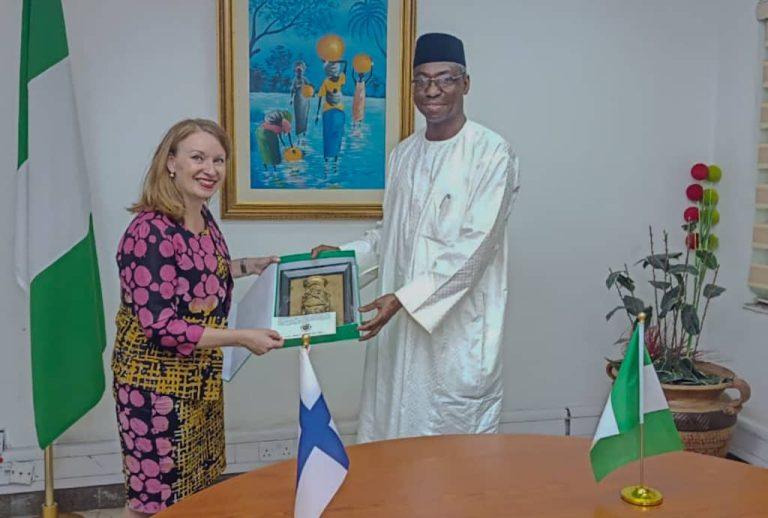
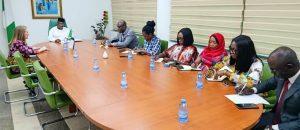
Nigeria and Finland have reaffirmed their commitment to strengthening bilateral relations, following a high-level diplomatic engagement between the Permanent Secretary of the Ministry of Foreign Affairs, Ambassador Dunoma Umar Ahmed, and the Ambassador of Finland to Nigeria, Ms Sanna Selin.
In a statement issued by the Ministry’s spokesperson, Kimiebi Ebienfa, the meeting, held in Abuja, covered a broad spectrum of strategic cooperation areas, including digital public infrastructure, cybersecurity, internal security technology, sustainable mining, healthcare development, renewable energy, agriculture, and multilateral collaboration.
Ambassador Selin briefed the Ministry on Finland’s plan to establish a Trade Office in Lagos, an initiative expected to enhance economic ties and expand commercial opportunities.
She highlighted her ongoing engagements across Nigeria as part of Finland’s effort to broaden and strengthen its presence in the country.
Ambassador Ahmed reaffirmed Nigeria’s commitment to deepening ties with Finland and supporting initiatives that promote innovation, security, sustainable development, and shared prosperity.
He emphasised that the Ministry remains dedicated to fostering productive partnerships across all mutually beneficial sectors.
Both countries acknowledged that their relationship is positioned for significant growth and underscored shared aspirations and complementary strengths as they work toward advancing peace, economic development, innovation, and global cooperation.
The Super Eagles of Nigeria have officially announced a 28-man squad for the 2025 Africa Cup of Nations (AFCON), with head coach Eric Chelle unveiling a mix of familiar names and exciting new talents.
One of the biggest talking points is the goalkeeping department, where Maduka Okoye has been dropped, while Francis Uzoho makes a return to the squad.
In attack, Paul Onuachu also earns a recall, adding height and physical presence to Nigeria’s frontline options.
In defence, the Super Eagles face significant adjustments. Ola Aina and Benjamin Fredrick are absent due to injury and captain William Troost-Ekong has retired.
Calvin Bassey is now set to marshal and lead Nigeria’s backline in Morocco. Chelle’s list also features four new faces into the squad.
The newcomers include Ebenezer Akinsanmiro (Pisa SC), Usman Muhammed (Ironi Tiberias), Tochukwu Nnamdi (SV Zulte Waregem), and Salim Fago Lawal (NK Istra 1961).
With AFCON 2025 slated to kick off soon, preparations will intensify in the coming weeks as Nigeria looks to mount a serious challenge for a fourth continental title.
The United Nations (UN) office in Nigeria has called for a holistic approach to investing in human-rights awareness to drive meaningful growth and development across the country.
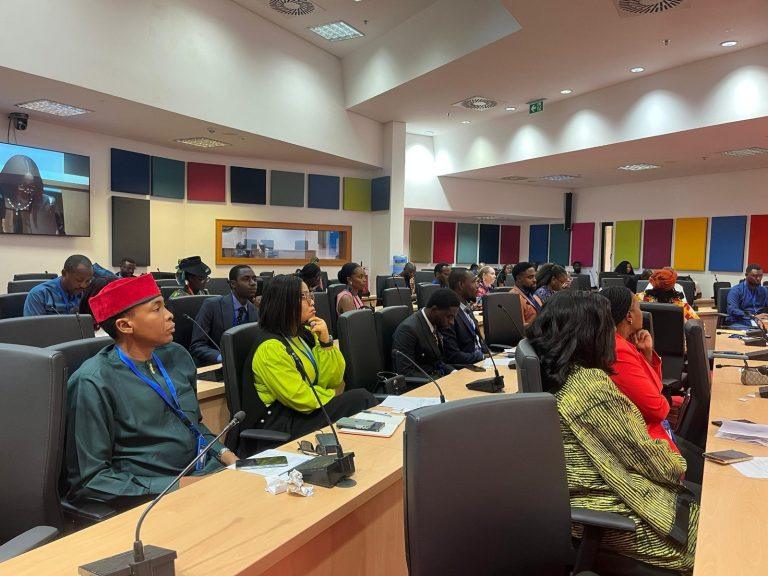
The UN Resident and Humanitarian Coordinator in Nigeria, Mr Mohamed Fall, made the call in Abuja during an event to commemorate the 2025 International Human Rights Day in Nigeria, themed “Human Rights: Our Everyday Essentials – Who Is Telling the Story?”
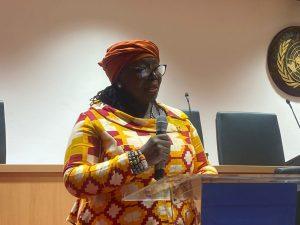
Mr Fall, who was represented by the UNDP Resident Representative in Nigeria, Ms Elsie Attafuah, spoke at the ceremony organised by the Office of the UN High Commissioner for Human Rights (OHCHR).
He stressed that before any nation could get it right in creating awareness on human rights, it must put the necessary financial and structural efforts in place.
“You are the ones who preserve our folklore, you are the ones who tell stories through morals that millions walk past every day, and we see some in Lagos and many other places. To every photographer capturing protests, everyone on Instagram, TikTok, X, LinkedIn explaining the Child Rights Act in Pidgin, every spoken word, Courts calling out gender-based violence, we must keep the message about human rights to boost the awareness. Every graphic designer turning data on maternal mortality into infographics that go viral, you are the translators of human rights, your everyday essentials,” he said.
The Executive Secretary of the National Human Rights Commission (NHRC) stated that awareness creation remained a key instrument in the protection of human rights.
Adequate investment
He noted that the first step to defending one’s rights was knowing those rights existed. He therefore called for adequate investment in awareness creation to meet national targets.
“Many of our people don’t even know they have fundamental human rights. After a very long period of military rule and bad governance, some of them have resigned to fate. They think that some of these things are normal, you know. So, the first challenge is to create awareness and let them know how they can access assistance if their rights are violated,” he said.
The Ambassador of Belgium to Nigeria, Pieter Leenknegt, described the event as timely in promoting awareness about human rights.
“This can actually bring about realisation of human rights in the country as in other ones, especially given the striking presence of so many different creative arts branches in Nigeria, and how they also internationally are breaking through. Also, as embassy we can create conversations around rights induced by displays of art. There is no way that you can perfectly realise the right to education or the right to food in just one go or even hold somebody accountable, so it is a gradual process,” he said.
Other highlights of the event included a short film spotlight and creative showcase featuring micro-films and music produced by young Nigerian storytellers illustrating rights in daily life, safety, identity, digital freedom, education, and justice.
There was also a high-level conversation on how creatives humanised rights issues, diplomatic perspectives on narrative power, safeguarding creative freedom, and cultural storytelling as civic engagement.
The event, which used film, music, and storytelling to affirm dignity, equality, justice, and freedom as shared values and fundamental rights, was organised for diplomatic partners, civil society leaders, and creative storytellers to explore how narrative, voice, and cultural expression shaped public understanding of human rights.
The new Commissioner of Police in Nasarawa State, CP Umar Ahmed Chuso, has assumed duty as the state’s 30th Commissioner of Police.
In his assumption speech, CP Chuso, a seasoned police officer with operational experience and administrative competence, appealed for public support and cooperation to combat crime across the state.
The new Commissioner called on traditional rulers, community leaders, youth groups, and residents to collaborate with the police by providing timely and credible information to support crime prevention and enhance rapid response.
CP Chuso assured the public of his commitment to protecting lives and property, sustaining peace, and ensuring security throughout Nasarawa State.
He holds a Bachelor of Science degree in Agricultural Economics from Ahmadu Bello University, Zaria, and has served in various key capacities in the Nigeria Police Force since joining in 1994.
The 28th Quarterly Meeting of the Universal Basic Education Commission (UBEC) with the Executive Chairpersons of the 36 states and the Federal Capital Territory (FCT) was held in Maiduguri, bringing together education leaders, policymakers, and officials from across Nigeria.
Executive Secretary of UBEC, Aisha Garba opened the meeting by welcoming participants, and commended the Borno State Government for its gaint strides in Education sector across the state.
“It is my pleasure to welcome you today to the 28th quarterly meeting of UBEC and the Executive Chairpersons of the State Universal Basic Education Boards.
“This gathering provides us an important platform to reflect on our achievements, align our strategies, and renew our commitment to ensuring that every Nigerian child, regardless of background, has access to quality basic education,”she said.
She highlighted recent achievements in Borno State, including visits to newly commissioned schools the bilingual education school in Kologuna, and a 60-classroom facility in Zanali Kaleri.
“These schools are a reflection of the Nigerian Education Sector Renewal Initiative’s vision: modern, safe learning spaces that inspire academic excellence, creativity, and hope. Today, we have witnessed what leadership and determination can achieve, and Borno State stands as a symbol of resilience and progress,” the executive secretary said.
The Minister of Education, Dr. Maruf Tunji Alausa, commended the Federal Government and state collaboration, he said, “We are implementing system-wide reforms to strengthen basic education, improve teacher quality, enhance infrastructure, and expand digital learning. Our goal is to ensure that every child, especially in underserved and conflict-affected regions, has a pathway to success.
“The leadership and vision we see in Borno are exceptional. The quality of these schools, classrooms, and facilities is unmatched. I have visited universities and other schools across Nigeria, yet what we see here in primary and secondary schools in Borno is outstanding. This demonstrates that political will and prioritisation of education can transform communities.”
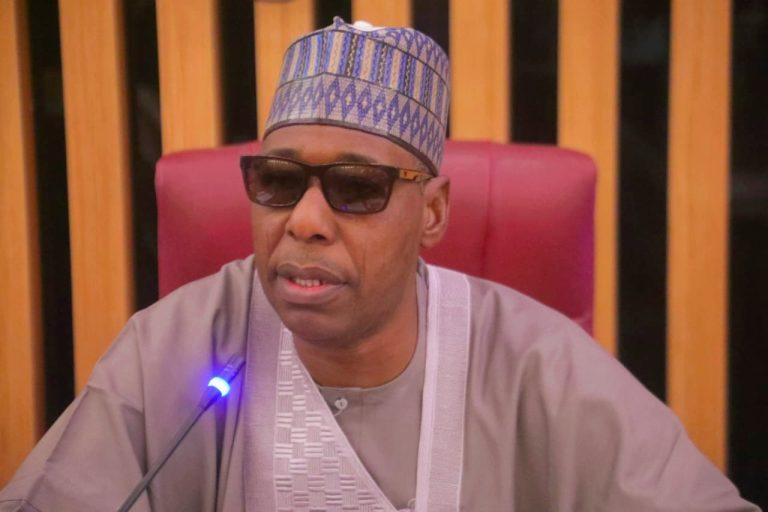
Governor Babagana Zulum reaffirmed his administration’s focus on education as the foundation for development, “we have to ensure that teachers are supported with accommodations and incentives.
Very soon, in sha Allah, the government will roll out plans to motivate teachers and expand technical and vocational education. Education is key to the prosperity of our children and the future of Borno State,” the Governor said.
Teachers welfare
Zulum also highlighted the state’s commitment to teachers’ welfare, noting that the minimum wage has been fully implemented for primary and secondary school educators. He emphasized the importance of inclusive and safe learning.
“Our vision is that every child, every girl and boy, should compete with their peers anywhere in the world. We will continue to invest in human capital, modern facilities, and educational programs that restore hope and opportunity to our communities.”
The meeting also highlighted UBEC’s ongoing role in providing infrastructure support, teacher training, and digital learning tools nationwide, with a particular focus on vulnerable and displaced children.
Both the ES and the governor stressed the importance of collaboration between federal and state agencies to ensure inclusive and quality education.
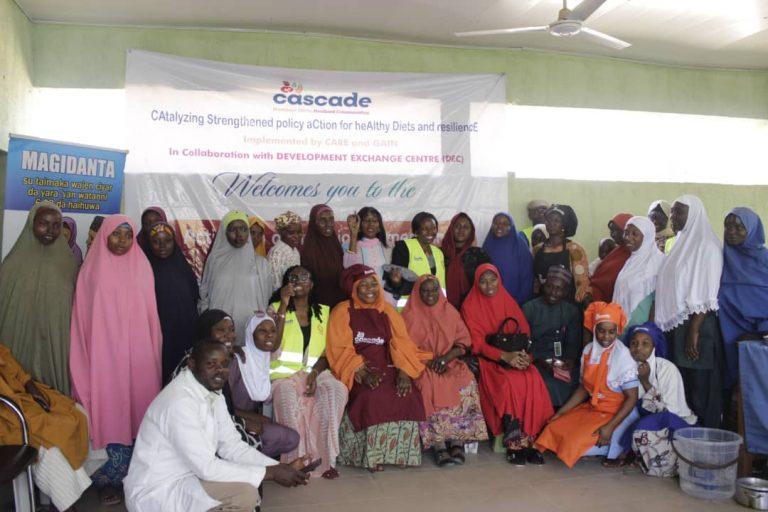
A Non-governmental organisation, NGO known as the Catalysing Strengthened Policy Action for Healthy Diets and Resilience (CASCADE) has inaugurated nutrition corners and facility gardens in 10 Local Government Areas (LGAs) of Bauchi State.
Health and Nutrition Technical Officer of the NGO, Anna Ishaiku disclosed this while handing over the facilities to Inkil and Gokaru Primary Healthcare Centres (PHCs) in Alkaleri LGA.
She noted that the facilities were also inaugurated in Bauchi, Misau, Zaki, Warji, Katagum, Jama’are, Ningi, Toro, and Dass LGAs.
“The overall goal of inaugurating these facilities is to reduce maternal and child malnutrition across CASCADE implementing states.
“The activation of the nutrition corners provides designated spaces for counselling, food demonstrations, and malnutrition prevention.
“It also promotes the increased consumption of healthy diets by pregnant and lactating patients in the selected health facilities,” Ishaiku said.
She said the project included demonstrations on seed planting, cooking, and access to nutritious foods at the PHCs.
“We encourage women to plant seeds such as gboma, sika, tomato, and okro at their homes for consumption.
“All seeds used for demonstrations are improved varieties and not genetically modified.
“For instance, the gboma sika seed boosts blood production and is a rich source of iron,” she said.
She explained that health workers at the benefiting facilities would continue teaching women cooking methods during antenatal visits.
Nutrition Focal Person of Alkaleri LGA, Abubakar Ahmed hailed CASCADE for inaugurating the project, noting that it would greatly benefit mothers and children in the area.
“The health of women and their children will improve if they effectively utilise what they are taught,” he said.
A cross-section of pregnant and lactating mothers who spoke at the facilities also commended CASCADE and pledged to take advantage of the opportunities provided.
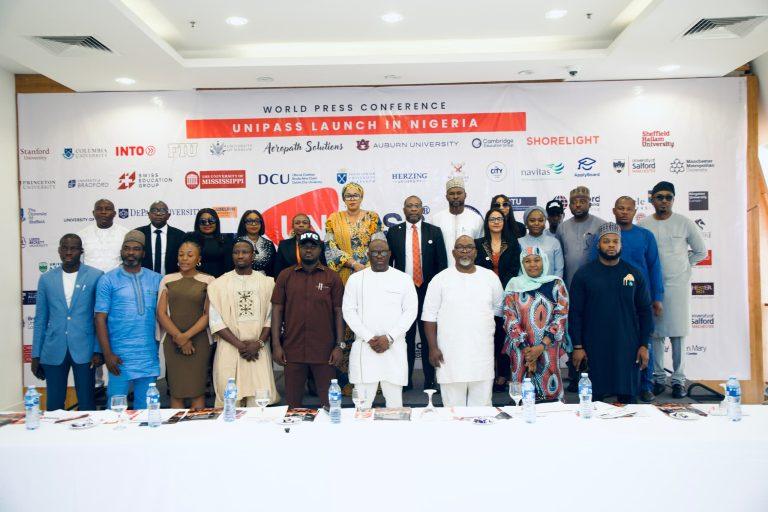
Renowned international education consultancy, UNIPASS has formally commenced operations in Nigeria with a promise to support vulnerable groups access scholarship programmes.
It also unveiled plans to expand access to quality higher education for young Nigerians seeking to study abroad and to attract foreign students into the country.
This is coming at time when Nigeria is seeking participation of foreign lecturers and students in its educational systems, especially in tertiary institutions to improve global rankings.
Speaking at the official launch of UNIPASS Nigeria in Abuja, its Chief Executive Officer, Alvin Atsegwasi, said the organisation was committed to creating transparent, accountable pathways for students seeking education abroad while also supporting vulnerable groups through scholarship programmes.
“We also support scholarship programmes targeted at critical communities. Scholarship for people with disabilities,” Atsegwasi said, noting his over ten years of experience in the United Kingdom.
He urged Nigerian youths who are abroad to contribute to national development. “At UNIPASS, we don’t only support Nigerians going abroad. We also promote opportunities for foreigners to come and study here in Nigeria,” he stated.
According to him, partnerships with Nigerian education institution like the Isaac Balami University of Aeronautics and Management, are central to this mission. “We are proud to be part of that. We are encouraging foreigners to come back to Nigeria,” he said.
Atsegwasi explained that the UNIPASS model helps eliminate risks linked to unregulated study programmes and migration challenges, stressing that the organisation would work closely with government and stakeholders to improve educational outcomes for Nigerian youths.
“UNIPASS is here to change that story. We will work hand-in-hand with the Nigerian government and all stakeholders to create the same structured and transparent pathway for our youth,” he said.
“Our promise to parents, communities and our dear Nigeria is very simple: we will get you there.”
Co-founder of UNIPASS Limited, Sanpreet Sehmi, said the organisation’s mission is built on ensuring equal access to quality education for all students, regardless of academic performance.
“Potential lives everywhere, and opportunity should live everywhere too,” Sehmi said. She announced a major milestone: a new partnership with the Isaac Balami University of Aeronautics and Management in Lagos, the organisation’s first institutional collaboration in Africa.
“It proves that a world-class international standard is not something students must travel across oceans to find. It is something we can build, nurture and proudly offer right here,” she noted.
On her part, Executive Director Maureen Mutsiya described the new Abuja office as “a passport to global education” for Nigerian students.
“This office is more than a physical space. It is a commitment to work with you, step by step, as you pursue education beyond borders,” she said.
Mutsiya said that more than 1,200 students have benefitted from UNIPASS guidance in the past two years across destinations including Canada, Australia, the UK, the US, New Zealand, Ireland and Germany.
“We know that trying to study abroad can feel overwhelming… That’s where UNIPASS comes in, and we turn confusion into confidence,” she said.
The launch event drew a large audience and featured goodwill messages from the Senior Special Assistant to the President on School Feeding, Dr. Yetunde Adeniji, as well as Isaac Balami, Chief Executive Officer of the Isaac Balami Foundation and Isaac Balami University of Aeronautics and Management, among other dignitaries.
The National Coordinator of the Nigeria for Women Programme Scale-Up Project, Dr. Hadiza Maina, says the initiative is placing protection at the centre of women’s economic empowerment while strengthening national efforts to curb gender-based violence (GBV).
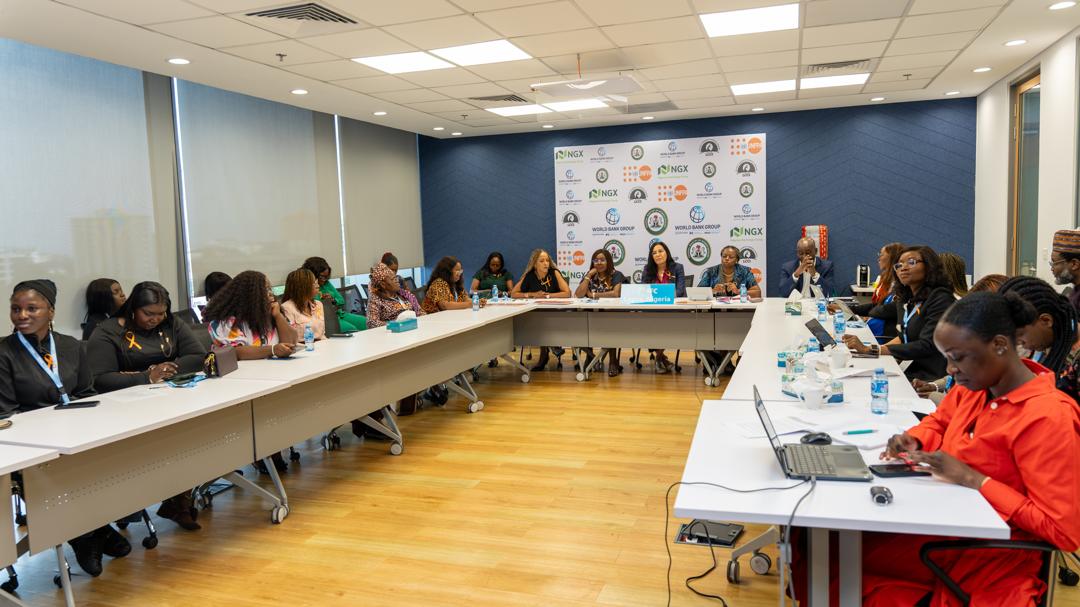
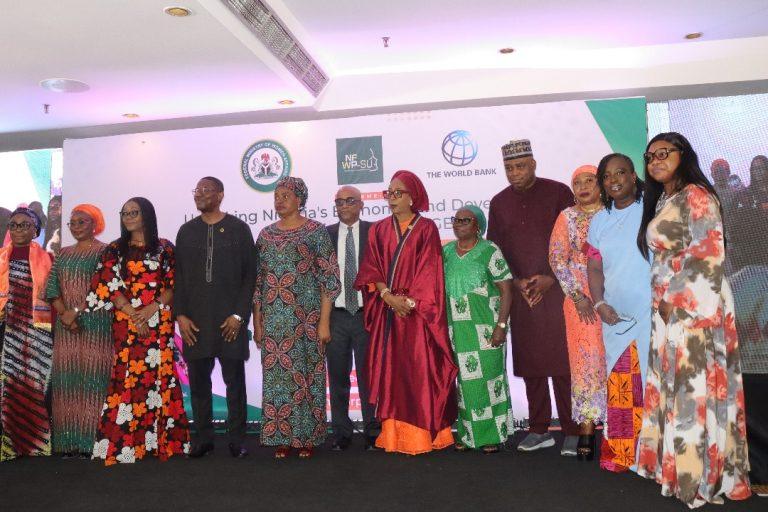
Speaking to Voice of Nigeria on the sidelines of the National Dialogue on Ending Gender-Based Violence, organised by the Federal Ministry of Women Affairs and Social Development in collaboration with the World Bank, she highlighted the impact of the programme.
“Nigeria has taken the right direction by implementing this project, and we also have to give thanks to the President, President Bola Ahmed Tinubu, who has made women at the Centre of Economic Development,”she stated.
Dr. Maina extended appreciation to the Minister of Women Affairs and Social Development, Hajiya Imaan Sulaiman-Ibrahim, noting:
“She is the right peg in the right hole, implementing this programme on Nigeria for Women Project… she’s driving the force as it is expected, to put women in the long run at the Centre of Development.”
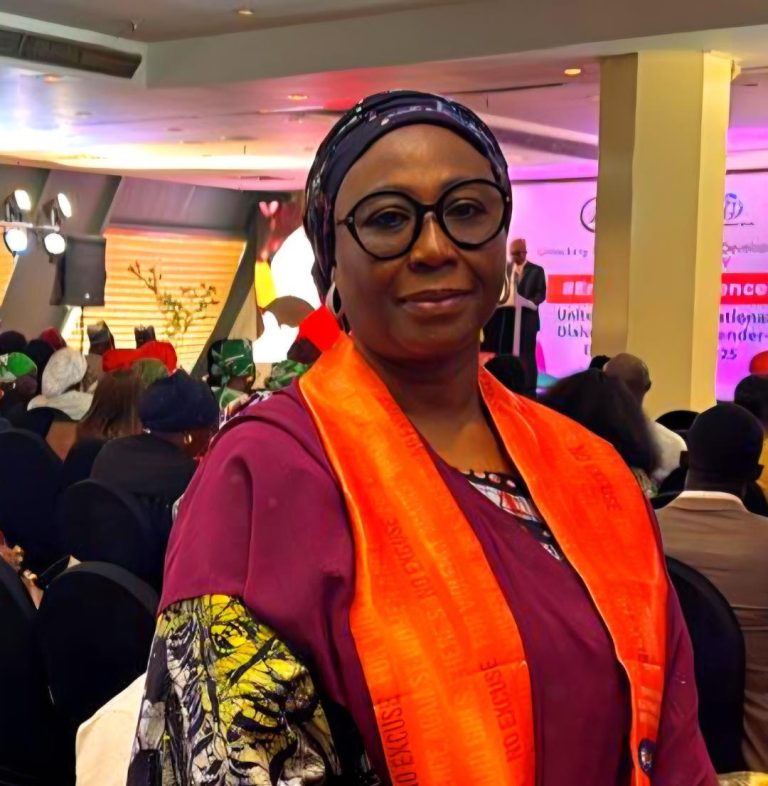
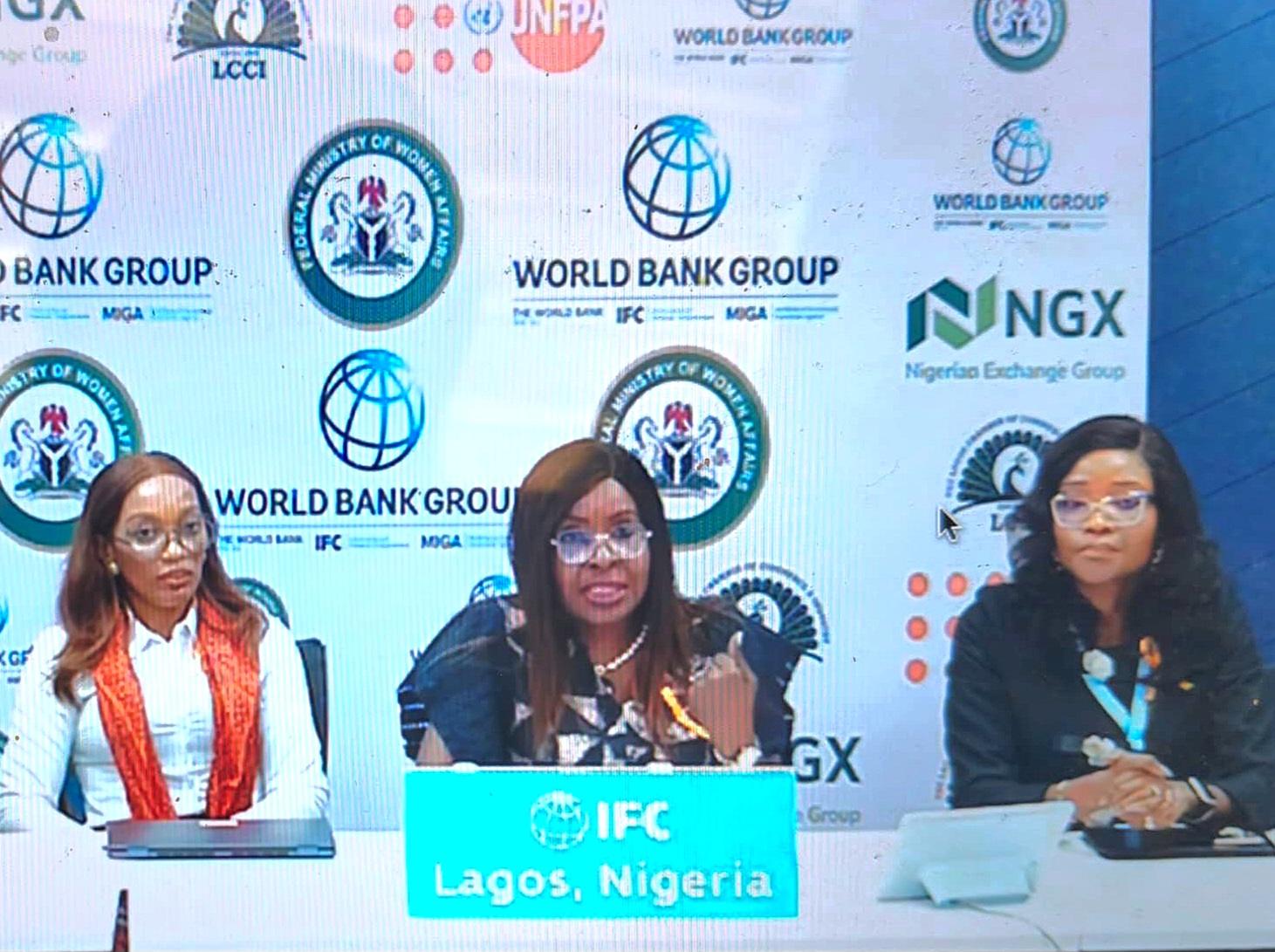
Director-General of the Lagos Chamber of Commerce and Industry, Dr. Chinyere Almona (m)
She explained that the World Bank-funded Nigeria for Women Project, implemented by the Federal Ministry of Women Affairs and Social Development, is improving the livelihoods of underserved rural and peri-urban women.
According to her, the programme’s empowerment approach is anchored on protection because “Empowerment without protection is a fragile foundation.”
To ensure all-round protection, Dr. Maina said “the programme conducted comprehensive GBV mapping across implementing states, trained personnel across health, justice, police, and social welfare sectors, and produced a widely distributed referral directory linking communities to essential services.”
She added: “We also have the grievance redress mechanism put in place for these projects… as soon as it’s reported, we have a real-time reporting framework, which is within 24 hours.”
According to her, 32 states are currently covered, with 23 currently implementing, and the mechanism proved effective during the pilot scheme for 450 women.
“So the GBV was built, protection was built right in the middle of this project. It’s one of the main units that the project focusses on 24-7.”
In a related interview, UNFPA Deputy Representative, Koesan Kwawu, stressed the need for unified national action to end GBV. “We need to come together at all levels… to have a consensus and a strong commitment for ending gender-based violence.”
He further highlighted the need for full survivor support systems, sustainable funding, and accountability. “Unless we have perpetrators that are held to account, we might not see the reduction of this,” he added.
The Head of Legal, Nigeria Stock Exchange Group PLC, Bisola Ogujieofor, charged institutions to embed protection into workplace culture.
“When women are safe, they succeed. When women succeed, economies grow. When public institutions, development partners and private institutions stand together, meaningful and sustainable change becomes possible,” she said.
She urged intentional leadership, noting: “We cannot end gender-based violence by awareness alone. We end it through action that is deliberate, that is measurable and that is sustainable. Empowered women build stronger businesses. Protected women build stronger societies.”
Similarly, the Director-General of the Lagos Chamber of Commerce and Industry, Dr. Chinyere Almona, said the time for mere advocacy has passed. Describing GBV as a global and economic concern, she said: “It is an economic issue… if we all want to improve and enhance the economy of our nation, we have to deal with it. For us, it’s time to end the violence against women.”
Warning against silence, she added: “One thing that enhances GBV in our society today is silence. We want a society where our women can give their best. We must support each other to make the change that we want to see.”
The Ministry of Women Affairs has called for faster prosecution of gender-based violence cases and strict adherence to standardised response protocols by all security agencies to strengthen justice for survivors in Nigeria.
The Minister of Women Affairs and Social Development, Hajiya Imaan Sulaiman-Ibrahim made the call in Abuja at the National Dialogue on Ending Gender-Based Violence organised in collaboration with World Bank Group Nigeria.
Represented by the Permanent Secretary, Mrs Esuabana Asanye, the minister said improving data and reporting systems, including strengthening the National GBV Data Situation Room, is critical to ensuring accountability and coordinated action nationwide.
She said the 2025 edition of the 16 Days of Activism, renewed national attention on the escalating threats faced by women and girls, particularly in digital spaces.
She highlighted alarming global figures, stating that over 830 million women have suffered intimate partner violence, while 250 million have faced sexual violence from non-partners.
She explained that one in every three women worldwide will experience violence in her lifetime.
According to her, Nigeria mirrors this reality, with 31 percent of women aged 15 to 49 having experienced physical violence, and one in four girls surviving sexual abuse before adulthood.
She described these girls as children who never had the chance to grow without fear, carrying physical, emotional, and psychological scars into adulthood.
The Minister warned that the nation loses trillions of naira annually to gender-based violence—funds that could build schools, equip hospitals, and create jobs.
She also noted that digital violence has risen by over 45 percent in the last four years, exposing girls to cyberbullying, blackmail, and humiliation that remain permanently online.
She said the Ministry, under President Bola Ahmed Tinubu’s Renewed Hope Agenda, is adopting a coordinated, evidence-driven response through improved laws, survivor support services, and expanded access to justice.
The Minister reported major progress in legal reforms, including the domestication of the Violence Against Persons Prohibition Act in 35 states and the FCT, as well as near-universal adoption of the Child Rights Act.
She explained that survivor assistance is expanding under initiatives such as the ProtectHer and Health Safeguard programmes, which provide medical, legal, and psychosocial support in safe, dignified spaces.
The Minister also emphasised the need to empower traditional rulers, religious leaders, and community groups to champion anti-violence campaigns at the grassroots.
She further called for stronger action against technology-facilitated abuse, including stricter penalties for cyberbullying, digital blackmail, and online exploitation.
According to her, expanding women-focused financing, supporting women-owned businesses, and providing economic reintegration programmes for survivors remain key to long-term protection.
The World Bank Country Director for Nigeria, Mr Mathew Verghis, said gender-based violence remains a binding constraint to development in Nigeria, warning that it erodes human capital, weakens productivity, undermines girls’ and women’s education, and strains health and justice systems.
Verghis noted that the Bank’s new Gender Strategy (2024–2030) places ending GBV as a core priority, following global evidence that violence is the most egregious manifestation of gender inequality and a threat to development.
He said that Nigeria is one of 16 fast-track countries implementing an integrated public and private sector approach, including legal reforms, survivor-centred response services, community prevention programmes, and anti-harassment mechanisms in schools and workplaces.
Also speaking, the Senior Social Development Specialist with the World Bank, Mr Michael Ilesanmi, noted that countries lose up to four percent of their GDP to gender-based violence.
He emphasised that economic empowerment, strengthened social norms, and the involvement of men and boys are essential to achieving lasting change in Nigeria.