Home Blog Page 749

Ekiti State Governor Vows to Break Second-Term Jinx 

0

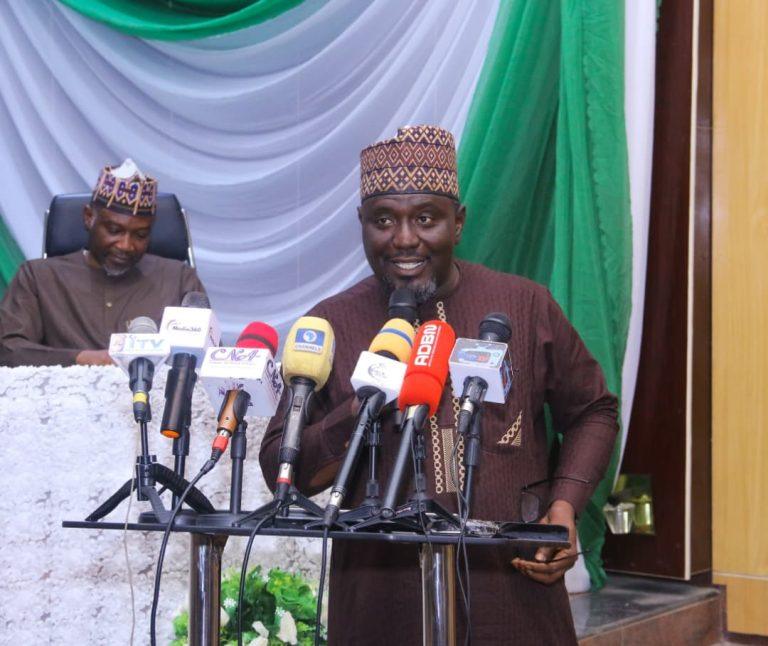
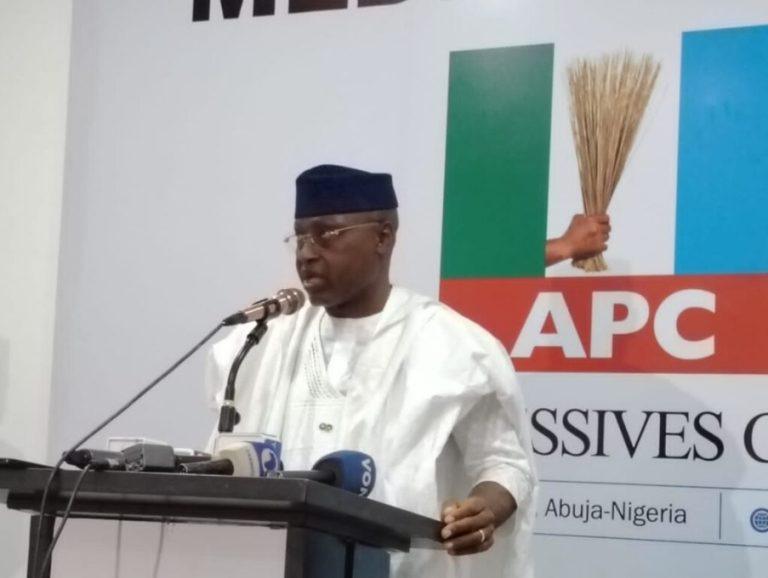
Governor Abiodun Oyebanji of Ekiti State has called on leaders of the All Progressives Congress (APC) to support his bid to break what he described as the state’s long-standing “second-term jinx”.

The governor stated this while submitting his nomination and expression of interest forms at the APC National Secretariat in Abuja.

While officially declaring his intention to seek re-election in the 2026 governorship race in Ekiti State, Governor Oyebanji was accompanied by prominent Ekiti stakeholders, including Senator Michael Bamidele.

He said no administration in Ekiti has ever completed two consecutive terms, a political trend he believes has hampered consistent development in the state.

This has slowed our development. We are here to plead that this jinx be broken, to maintain the gains of the current administration and continue the progress for our people,” Governor Oyebanji stated.

He stressed that continuity was crucial to building on the achievements of his administration, which he said was focused on infrastructure, healthcare, electricity access, and public sector reforms.

Achievement

Reflecting on his administration’s achievements, Governor Oyebanji said, “When we campaigned three years ago, it was on the mantra of continuity for shared prosperity. In less than three years, we have completed nearly 80% of inherited projects, improved infrastructure, connected over 60 communities to electricity, and upgraded healthcare facilities across the state.”

The Governor also highlighted plans for education reform and technology-driven learning.

We are determined to provide modern learning tools in schools and prepare our people for the challenges of the 21st century,” he said.

Governor Oyebanji also lauded President Bola Tinubu for his support of Ekiti State.

He says, “I give all glory to God for a day like this and thank President Bola Tinubu for his unwavering support for Ekiti State,” Governor Oyebanji said. “All accolades belong to the President, who provided the reforms and resources that allow us to meet the aspirations of our people.”

Party Unity

The Governor acknowledged the unity of the party and the support of its leaders.

“To our leaders in the party, you have listened to the people. I have nothing to add to what has been said. This event also shows how much our people have mobilised behind APC, and it assures us that the party is strong in Ekiti.”

He further emphasised his commitment to party rules and fair primaries.
We will subject ourselves to primary elections and play by the rules. There is no fear. We recognise the right of any loyal party member to contest, but we are confident in the national leadership of the APC,” he said.

On rumours of party division, Governor Oyebanji dismissed claims of discord, noting the strong show of support from former governors, deputy governors, legislators, and party stakeholders.

Ekiti APC remains united and indivisible. Talk of division is mere propaganda,” he affirmed.

Senator Michael Bamidele, who also addressed journalists, praised the administration’s achievements.

“Our governor has delivered on infrastructure, human capital development, and stability. This is the first time we are seeing such a broad consensus among all stakeholders in Ekiti. We look forward to the primaries on October 27 and invite everyone to witness the progress firsthand,” he said.

The APC governorship primaries in Ekiti are scheduled for October 27, 2025.

.
Nigeria’s Agricultural Research Council Unveils New Strategic Reforms

0

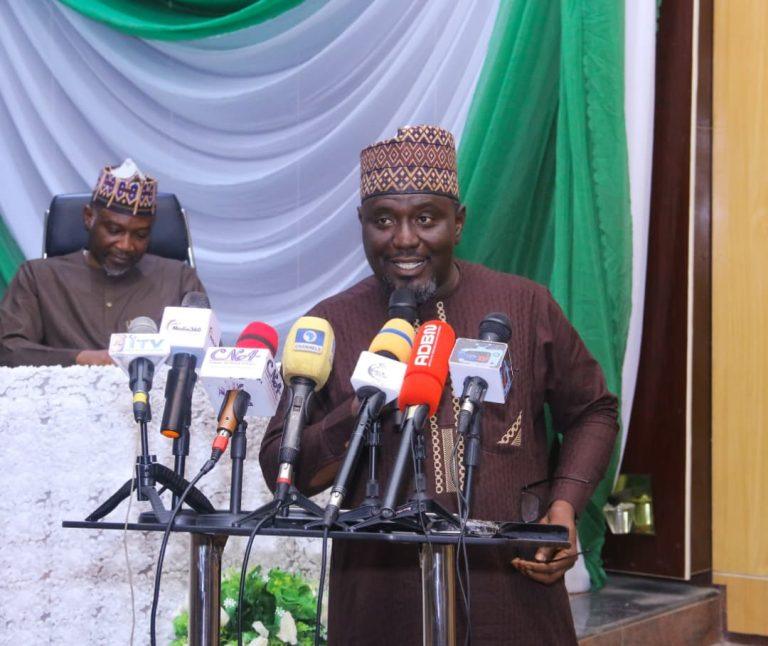
The Agricultural Research Council of Nigeria (ARCN) has reaffirmed its dedication to improving research governance and management by outlining a series of strategic initiatives designed to enhance the agricultural research system within the nation.

This commitment was articulated by the Executive Secretary of ARCN, Dr Abubakar Adamu Dabban, during his Agric Research Council Unveils opening address at the inaugural National Stakeholders’ Forum on Agricultural Research Capabilities held in Abuja.

The forum, themed “Research Capabilities in Nigeria: The Journey So Far,” was jointly convened by ARCN and the International Institute for Tropical Agriculture (IITA) to assess progress, address challenges, and chart a future course for agricultural innovation in the country.

In his remarks, Dabban emphasised that while Nigeria’s National Agricultural Research System, NARS, has made significant strides in developing human resources, technological innovations, and infrastructure there remains a critical need for modernisation and improved governance.

“As we take stock today, learn from past challenges, and envision the future, I am confident that the measures we adopt will generate value, strengthen our capabilities, and align with best practices in agricultural research management,” Dabban said.

Acknowledging the complex challenges facing the sector, he stressed the urgency of reforms, explaining that the ARCN would develop a second-generation strategic plan, review conditions of service for ARCN, NARIs and FCAs, revisit the implementation of the ARCN (Amended) Act 2021, and update the 2009 management guidelines.

He said that Nigeria’s agriculture faces pressures from climate change and population growth but can leverage science, innovation, and technology.

He stressed the need for stronger research governance, capacity building, and broader collaboration to secure food systems and improve livelihoods.

The ARCN head commended the contributions of partners, including the Federal Ministry of Agriculture and Food Security, the CGIAR family, ECOWAS, FARA, and the private sector, for their continued support.

He also proposed that the stakeholders’ forum become an annual event to ensure dialogue and accountability.

“This Forum is both reflective and catalytic. Through its sessions and discussions, we seek to generate insights that will shape a forward-looking agenda for agricultural research in Nigeria, one that is responsive, inclusive, and transformative,” Dabban explained.

Also speaking, Chairman of the Stakeholders’ Forum, Professor Lateef Sanni, said agricultural research is the key to Nigeria’s food security, noting that modern farming cannot succeed without science and innovation.

He further called for greater collaboration, technology adoption, and investment to build a stronger food system.

Reviewing the role of global partnerships, the Country Representative of the International Institute of Tropical Agriculture, Professor Michael Adediran noted that CGIAR and IITA have supported Nigeria through crop and livestock research.

He promised continued collaboration with national research institutes and colleges.

Nigeria Moves to Enhance Agricultural Research Capacity

The Agricultural Research Council of Nigeria (ARCN) has restated its commitment to enhancing research governance and management, outlining a series of strategic initiatives aimed at strengthening the nation’s agricultural research system.

The pledge was made by the Executive Secretary of ARCN, Dr. Abubakar Adamu Dabban, during his opening address at the maiden National Stakeholders’ Forum on Agricultural Research Capabilities in Abuja.

The forum, themed “Research Capabilities in Nigeria: The Journey So Far,” was jointly convened by ARCN and the International Institute for Tropical Agriculture (IITA) to assess progress, address challenges, and chart a future course for agricultural innovation in the country.

In his remarks, Dr Dabban emphasised that while Nigeria’s National Agricultural Research System (NARS) has made significant strides in developing human resources, technological innovations, and infrastructure, there is a critical need for modernisation and improved governance.

As we take stock today, learn from past challenges, and envision the future, I am confident that the measures we adopt will generate value, strengthen our capabilities, and align with best practices in agricultural research management,” Dr. Dabban stated.

To spearhead this new phase, the Executive Secretary unveiled four key priorities already underway:

“The development of a second-generation strategic and operational plan for ARCN, a comprehensive review of the Conditions and Schemes of Service for ARCN, National Agricultural Research Institutes (NARIs), and Federal Colleges of Agriculture (FCAs), Revisiting the report on the implementation of the ARCN (Amended) Act 2021 to ensure its full execution and An immediate review and update of the 2009 Guidelines for Management of NARIs and FCAs.”

Acknowledging the complex challenges facing the sector, Dr. Dabban highlighted the urgency of these reforms.

Nigeria’s agriculture stands at a crossroads: challenged by climate change and population growth, yet energised by the promise of science, innovation, and technology to drive food security and transform livelihoods,” he remarked.

To seize this moment, we must strengthen research governance, invest in human and institutional capacity, and foster collaboration that extends nationally, regionally, and globally.”

The ARCN head commended the contributions of partners, including the Federal Ministry of Agriculture and Food Security, the CGIAR family, ECOWAS, FARA, and the private sector, for their enduring support.

He also proposed that the stakeholders’ forum become an annual event to ensure continuous dialogue and accountability.

This forum is both reflective and catalytic. Through its sessions and discussions, we seek to generate insights that will shape a forward-looking agenda for agricultural research in Nigeria, one that is responsive, inclusive, and transformative.” Dr. Dabban explained.

He concluded with a call for unified action, declaring the forum open.

“We have come a long way, but the road ahead calls for even greater vision and collaboration. Let us rise to that challenge.”

Also speaking, the Chairman of the Stakeholders’ Forum, Professor Lateef Sanni, says agricultural research is the key to Nigeria’s food security, noting that modern farming cannot succeed without science and innovation.

Professor Sanni further called for more collaboration, technology adoption, and investment to build a stronger food system.

The Country Representative of the International Institute of Tropical Agriculture, Professor Michael Adediran, while reviewing the role of global partnerships, noted that CGIAR and IITA have supported Nigeria through crop and livestock research and promised continued collaboration with national research institutes and colleges.


FIRS Justifies Tax Reforms in Nigeria

The Federal Inland Revenue Service (FIRS) of Nigeria says the recent modifications to the country’s tax laws are necessitated by the inadequacies of the previous legal framework.

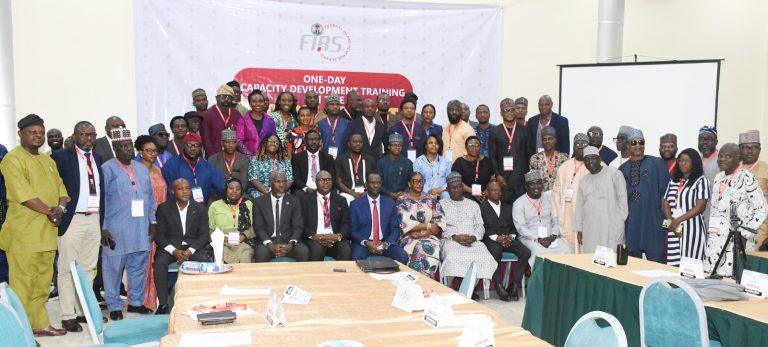
The Director of the Field Operation Monitoring Department of the Federal Inland Revenue Service (FIRS), Mathew Osanekwu, stated this in Abuja during a seminar on the new tax regulations organised by the agency for journalists assigned to cover the State House.

Osanekwu explained that the modification was based on what is known in taxation as the pyramid of maturity, a model that defines the stage of development of each country’s tax system.

He said; “The decision was taken to change the laws to drive efficiency and modernisation in our tax landscape. As we modernise the law, it streamlines operations and also efficiency.

“We will observe that our tax laws and our tax system are not there yet because there are five levels of how you measure a tax administration and these levels are called the pyramid of maturity. The first level is called emerging; a tax system that is still emerging is manually driven.”

“The next stage in that pyramid is called progressive; this is where you combine both manual and some level of technology, the next stage is where Nigeria currently stands, where you use systems to drive your tax system.

“At this stage, you are beginning to invest more by infusing modernisation in your tax system. Here, digitisation brings about new changes in your tax system.

“The last one is what you call optimisation, which is where all the tax system is driven by technology. Here you have e-government, e-tax, etc so we are now going towards that direction,” Osanekwu said.

Furthermore, the FIRS Director of Field Operation Monitoring stated that with the new tax regime, Nigerian tax laws have been simplified in clear language that would be understood by citizens.

“Our tax laws are also being simplified because they were written many years ago with obsolete language that is not easy to understand but now the laws are being simplified,” he stressed.

Osanekwu said the new tax laws would also enhance coordination about tax matters between the federal and State governments.

“The new tax laws will ensure there is coordination between the federal government and the sub-nationals. This will strengthen the entire system and also reduce challenges,” he stressed.

He also said based on the provisions of the new laws, if a state or local government refuses to remit revenue it collected, the office of the Accountant General of the Federation can deduct the unremitted amount from the source.

Adamawa Government Moves To Contain Buruli Ulcer Outbreak

0


The Adamawa State Government has announced a series of comprehensive measures aimed at curbing the spread and impact of the recent Buruli ulcer outbreak in the state.

Executive Chairman of the Adamawa State Primary Healthcare Development Agency, ADSPHDA, Dr. Sulaiman Bashir stated that the government is fully covering the cost of treatment for affected individuals. This includes free feeding, laboratory investigations, and medications for all admitted patients.

Bashir disclosed that a special ward has also been dedicated to Buruli ulcer cases at the State Specialist Hospital, Yola, supported by a multidisciplinary team of plastic surgeons, orthopedists, and microbiologists.

Dr. Bashir said the government had to intensify community engagement campaigns after health teams initially met stiff resistance from patients and families in affected communities.

Many victims, he lamented, either avoided health facilities altogether or abandoned treatment midway, thereby worsening their conditions and increasing public health risks.

He noted that misconceptions, stigma, and late presentation have complicated the response, as many patients now arrive with chronic ulcers requiring complex surgical and microbiological interventions beyond the capacity of primary health centres.

“Some patients came very late, when their wounds had already been badly contaminated. To get reliable test results, we had to clean the wounds and take tissue samples for histology. By then, the damage was already advanced,” he explained.

The ADSPHDA boss linked the resistance to treatment to low literacy, poverty, and poor nutrition among disadvantaged groups, stressing that social misconceptions have worsened the situation.

He also appealed to media practitioners to avoid sensationalist coverage that could discourage patients from seeking care, urging instead for collaborative reportage that fosters trust in health facilities.

“Our intent is not to scare people. We want to build confidence in the system and encourage early care-seeking. This disease is manageable, but only if patients come in time,” Dr. Bashir emphasised.

While noting that some of the most severe cases showed improvements within four days of care, Dr. Bashir maintained that collective action is crucial.

He called on community leaders, civil society groups, and the media to work with health authorities in combating apathy, stigma, and ignorance.

Buruli ulcer can affect any community. The lesson here is clear: apathy and mistrust only worsen the burden. We must unite to promote early treatment and protect lives,” he added.

Buruli ulcer, a debilitating skin disease caused by Mycobacterium ulcerans, recently broke out in parts of Adamawa State, leaving many victims with severe wounds and prompting urgent government intervention.


Nigeria Judo Federation Re-elects Oshodi As President

0

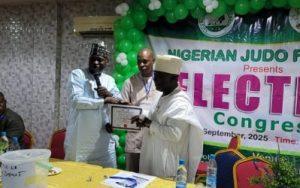
The Nigeria Judo Federation has re-elected Musa Oshodi as president for a second term.

Oshodi was returned unopposed on Thursday at the federation’s 2025 Elective Congress in Abuja after securing the 31 votes up for grabs.

READ ALSO: National Open Championship: Nigeria Judo Federation announces Date, Venue

He told newsmen after his election that his new administration would concentrate more on organising constant grassroots competitions.

He said, “We need to elevate, build, and nurture our young upcoming athletes for future international encounters.

In my last administration, we organised junior and cadet competitions; we will organise more competitions to discover raw, talented athletes.”

The re-elected president said his target would be to significantly improve the individual ranking of our athletes and expose a greater number of them to international competitions.

According to him, the federation is committed to working more closely with the National Sports Commission and the Nigeria Olympic Committee (NOC) as the parent body of all sports in Nigeria.

We need the support of the media to help publicise and advertise our events; we want to make judo more marketable so that it will attract more investors, which will help develop the game in the country.

“We need to make a strategic partnership with corporate sports, and we must go back to the grassroots so that we can build athletes who can represent the country and give us good results at international competitions.

“We need support from the federal government and private organisations to organise continental championships,” he said.

The president added that he had personally sponsored some of the athletes to five different international championships.

Salisu Muhammed emerged as the 1st Vice-President, unopposed, while Lawrence Ezeudu was elected as the 2nd Vice-President.

Jude Atoe was elected unopposed as the General-Secretary with 34 votes, while Amos Aliya clinched the Technical Director position unopposed with 26 votes.

Franca Audu was elected unopposed as the Athletes’ Representative with 26 votes.

In the zonal representative election, Salisu Mohammed was elected unopposed as the zonal representative of North West, and Ado Gambon took charge of the North East, while Daniel Suleiman was elected for the North Central.

South West has Musa Oshodi as its elected zonal representative, while Lawrence Ezeudu was elected to represent the South East, and Joy Franck for the South South, after defeating her opponent Jude Atoe with just one vote.

29 states out of 36 states, including FCT, participated in the elective congress held at the Pope John Paul II Catholic Pastoral Centre in Wuse 2, Abuja.

The states on the board include Kano, Nasarawa, Kogi, Edo, Anambra, Osun, Ekiti, Ondo, Lagos, Ogun, Kwara, Oyo, Sokoto, Ebonyi, Katsina, Adamawa, Kebbi, Gombe, and the host FCT, among others.

NITDA Announces Public Review of Digital Infrastructure Standards

0

The National Information Technology Development Agency (NITDA) has announced a public review session for the Draft Digital Public Infrastructure (DPI) Live Event and the Draft Technical Standard for the Nigerian Data Exchange (NGDX).

This was disclosed in a statement issued by Mrs Hadiza Umar, NITDA’s Director of Corporate Communications and Media Relations.

The session, which is scheduled to take place on Thursday, 18th September 2025, in Abuja, Nigeria’s capital, forms part of NITDA’s Rule-Making Process (RMP) aimed at co-creating regulatory instruments that are trusted, inclusive, and sustainable, while aligning Nigeria’s digital transformation with global best practices.

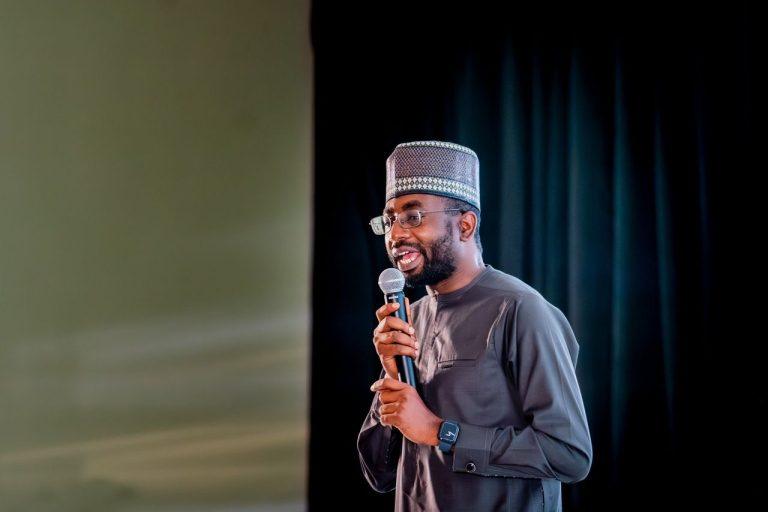
Speaking ahead of the review, the Director-General of NITDA, Kashifu Inuwa Abdullahi, emphasised the importance of inclusive stakeholder participation, stressing that Nigeria’s digital public infrastructure must be co-created with all stakeholders to ensure it embodies resilience, fosters innovation, and builds trust.

He reiterated that the success of these initiatives depends on the active involvement of stakeholders in providing valuable insights that will guide implementation and ensure sustainability.

The Draft DPI and NGDX are integral to the Federal Government’s broader agenda of building a robust digital economy under the Renewed Hope vision of President Bola Ahmed Tinubu.

With support from international partners, particularly through the European Union’s Global Gateway initiative, and technical collaboration with leading digital nations including Finland, Estonia, Germany, and France, Nigeria is positioning itself to harness the transformative power of digital public infrastructure for inclusive national development.

The Draft DPI Live Event has been developed to support the seamless deployment of national digital public infrastructure, strengthen e-government service delivery, and create a framework that fosters collaboration across the private sector.

Alongside this, the Draft Technical Standard for the Nigerian Data Exchange (NGDX) seeks to provide a unified and secure framework for data sharing across government institutions and private sector entities, streamline service delivery, reduce inefficiencies, and drive innovation across key sectors, including finance, healthcare, education, and agriculture.

The public review will provide stakeholders from government, industry, academia, and civil society with the opportunity to examine the draft documents, share feedback, and make recommendations that will shape the effective adoption and implementation of the initiatives.

Nigeria Urges Civil Society To Improve Public Services

0

The Nigerian Government has urged Civil Society Organisations (CSOs) to provide suggestions and feedback that can help improve public services across the country.

This call was made by the Minister of Budget and Economic Planning, Senator Abubakar Bagudu, during the Citizens and Stakeholders Engagement Forum in Abuja.

He encouraged civil society groups to use data from the National Bureau of Statistics (NBS) when assessing government policies and programmes.

According to him, active citizen participation is essential for ensuring better service delivery, especially at the local ward level.

The Director-General of the Budget Office of the Federation, Dr. Taminu Yakubu, explained that the Nigerian Constitution gives citizens ownership of public resources, which means they have a right to influence how budgets are prepared and implemented.

He urged Nigerians to take an active interest in the budget process and not just remain passive observers.

Yakubu also clarified that the 2024 and 2025 budgets are being implemented at the same time, with the capital component of the 2024 budget extended to run concurrently with the 2025 budget.

Prince Adeyemi Adeniran, Statistician General of the Federation and CEO of NBS, advised civil society groups to rely on official NBS data when making decisions or offering input, noting that the data are publicly available.

The Acting Permanent Secretary, Dr. Sampson Ebimaro, highlighted that the engagement demonstrates the government’s recognition of the value and experience civil society brings to policymaking.

He stressed that the insights and recommendations from CSOs are crucial for shaping the country’s development, promoting transparency, participatory planning, and accountable management of resources, which are fundamental rights for every Nigerian.

Anambra Police Decorates 89 Newly Promoted Officers

0

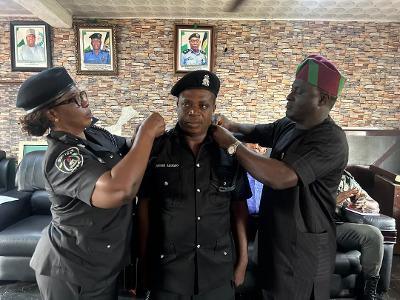
The Anambra State Police Command has decorated 89 newly promoted Inspectors with the rank of Assistant Superintendent of Police (ASP), signifying their elevation into the officer cadre of the Nigeria Police Force.

Speaking at the ceremony, the Commissioner of Police, CP Ikioye Orutugu, underscored that leadership in the Nigeria Police is not merely about wearing higher ranks, but about embodying professionalism, discipline, and an unwavering commitment to the protection of lives and property.

He reminded the newly promoted officers that their new responsibilities demand integrity, accountability, and a higher sense of duty, stressing that effective policing depends on leaders who can inspire trust and deliver justice without compromise.

Alongside their promotion, the officers were formally inducted into the Police Officers’ Mess, a symbolic rite of passage into their new responsibilities.

In a statement issued on Thursday, the Command’s Public Relations Officer, SP Tochukwu Ikenga, said the Commissioner of Police, CP Ikioye Orutugu, was represented by the Deputy Commissioner of Police in charge of the Criminal Investigation Department, DCP Mantu Chong at the Command Headquarters in Awka, the state capital in Southeast Nigeria.

CP Orutugu congratulated the newly promoted officers, describing their elevation as both a reward for diligence and a call to higher responsibility.

“This promotion is a recognition of your dedication, approved by the Inspector-General of Police, IGP Kayode Egbetokun, in appreciation of your service and sacrifices.” he said.

CP Orutugu urged the officers to uphold integrity, fairness, and accountability while serving as role models to their subordinates.

He further encouraged them to deepen community engagement as part of ongoing efforts to combat crime and sustain peace in Anambra State.

“We are grateful to the Police Service Commission and the Force Headquarters for approving these promotions

“The Command pledges that the officers will justify this elevation through enhanced commitment and performance.” the Commissioner added.

PIAK

Nigeria Seeks Stronger ECOWAS Health Pact on Lassa Fever

0

Nigeria’s Centre for Disease Control and Prevention (NCDC) has called for a stronger ECOWAS health pact to address Lassa fever and other emerging infectious diseases threatening the region.

Director-General of the NCDC, Dr Jide Idris, made the call on Thursday in Abidjan at a high-level panel on community involvement during the 2nd Lassa Fever International Conference, convened by the West African Health Organisation (WAHO).

The conference has the theme “Beyond Borders: Strengthening Regional Cooperation to Combat Lassa Fever and Emerging Infectious Diseases”.

It seeks to reaffirm regional commitment, mobilise political will, and drive collective action against viral haemorrhagic fevers (VHFs).

Read Also: Expert Advocates Concrete Action Against Lassa Fever in West Africa

Idris said that cross-border surveillance and coordinated response mechanisms were essential to tackle Lassa fever, which is endemic in several West African countries.

“Viruses do not respect borders. Our surveillance and our responses must, therefore, transcend borders.

“We need an ECOWAS health pact that guarantees data sharing, joint preparedness, and pooled resources to fight these threats,” he said.

Idris emphasised that community engagement remained the backbone of epidemic preparedness, stressing that “outbreaks often escalate into crises not because of the pathogen alone but due to human factors such as trust, culture, and behaviour.”

He highlighted lessons from Nigeria’s experience with Ebola, COVID-19, and Lassa fever outbreaks, stating that communities were not the “last mile” but the first line of defence in epidemic response.

According to him, “early detection, risk communication, and culturally sensitive interventions are critical to reducing mortality and preventing large-scale transmission.”

He also urged member states to support research and development for vaccines and diagnostics, invest in One Health approaches linking human, animal, and environmental health, and provide dedicated funding for community-led preparedness initiatives.

WAHO said the Abidjan gathering would provide a platform for health ministers, scientists, and development partners to chart new strategies to address Lassa fever, which continues to cause thousands of deaths across the region annually.


NAN