Home Blog Page 867

NHRC Calls for Rights-Based Youth Empowerment Initiatives

0

The National Human Rights Commission (NHRC) in Nigeria has urged a comprehensive, rights-focused approach to youth empowerment, emphasising the need to equip young people with quality education, healthcare, and leadership opportunities to foster sustainable development.

Marking International Youth Day 2025, NHRC Executive Secretary, Tony Ojukwu, called on governments and stakeholders to tackle urgent challenges facing Nigerian youth, including unemployment, economic hardship, and limited political participation.

“Young Nigerians are not just beneficiaries of development but deep thinkers, active innovators, mobilizers, and partners in shaping a future anchored on equity, dignity, and respect for human rights,” Ojukwu said.

He cautioned that despite their resilience and potential, many youths face obstacles such as underemployment, lack of mentorship, and increasing living costs. Economic uncertainty, poverty, and insecurity continue to threaten their well-being and fuel feelings of exclusion from key political and economic decisions.

Ojukwu further highlighted the particularly difficult circumstances of vulnerable young women and rural populations, where access to youth-friendly health services, including mental health and reproductive care, remains inadequate.

The NHRC Executive Secretary reaffirmed the Commission’s dedication to amplifying youth voices and ensuring their meaningful inclusion in policy-making consistent with national and international human rights commitments.

International Youth Day, observed annually on August 12, serves as a global reminder of the urgent need for collaboration to unlock the potential of young people as drivers of progress.

PIAK

Kaduna Reaffirms Commitment To Improved Health Indices

0

The Kaduna State Ministry of Health, in collaboration with its development partners, has reaffirmed its commitment to improving health indices across the state.

The State Commissioner for Health, Umma Kaltum-Ahmed, gave the assurance on Tuesday during the launch of the 2025 Joint Annual Report, themed “Strengthening Accountability and Evidence-Based Planning through Joint Annual Review of the Health Sector Performance.”

She stated that the launch underscored the collective commitment to a transparent, accountable, and evidence-driven health system in line with the vision for a healthier Kaduna State.

READ MORE:Kaduna Inaugurates Baby Crèches To Support Mothers

“The theme speaks directly to the heart of effective governance.

“Evidence-based planning ensures that policies and investments are guided by reliable data, while accountability guarantees measurable results for the people we serve,” the commissioner said.

She emphasised that the Joint Annual Review was not merely a statutory exercise but a platform for reflection, learning, and shared responsibility, allowing stakeholders to measure progress, identify gaps, and chart a course for improvement.

“By integrating this process into our governance structure, we reinforce a culture where every action is tracked, every investment assessed, and every outcome evaluated based on its impact on citizens’ lives,” she added.

Kaltum-Ahmed commended Gov. Uba Sani for his leadership, under which the health sector had recorded significant progress.

“These include: Revitalisation of more than 300 Primary Health Care (PHC) facilities, ensuring access to essential services in both rural and urban areas.

“Ongoing recruitment and deployment of doctors, nurses, midwives, and community health workers to improve service delivery.

“Expansion of the Kaduna State Contributory Health Scheme (through KADCHMA), increasing coverage for vulnerable groups including pensioners, the poor, and informal sector workers.

“Significant reduction in maternal and infant mortality supported by free maternal and child health services and improved referral systems.

“Enactment of the Kaduna State Public Health Law, and the establishment of robust surveillance systems to enhance epidemic preparedness.

“Modernisation of secondary health facilities, including new diagnostic equipment, ambulances, and upgraded laboratories.

“These achievements are the result of deliberate, data-informed planning and a strong accountability framework that ensures resources reach where they are most needed,” she added.

Kaltum-Ahmed encouraged all stakeholders, government agencies, development partners, civil society, and community leaders, to view the report not just as documentation, but a call to action.

“Let us uphold transparency, foster collaboration, and make decisions grounded in evidence,” she urged.

She also appreciated the Federal Ministry of Health and Social Welfare, National SWAp Coordination Office, National Primary Health Care Development Agency, National Health Insurance Authority, and other national institutions for their technical guidance and collaboration.

The commissioner commended the Planning and Budget Commission and the Kaduna State Bureau of Statistics for providing critical data that enabled informed decision-making.

“To our development partners, both local and international, thank you for your sustained support in resources, expertise, and innovation.

“To our Civil Society Organisations and community representatives, including persons with disabilities, your voice is vital in keeping our health system people-centered.

“To our facility in-charges, health secretaries, and ward development committees, you are the frontline heroes translating policies into action,” she added.

She stressed that the Joint Annual Review was an opportunity for honest self-assessment.

“Let us engage openly, speak frankly, and collaborate creatively. Let us not shy away from confronting uncomfortable truths, because only then can we craft solutions that are meaningful, equitable, and sustainable.

“Our ultimate goal is to ensure that every person in Kaduna State, regardless of location, income, gender, or ability, has access to quality, affordable, and timely healthcare services.”

In a remark on behalf of all development partners, Mrs Sarah Kwasu of Alive & Thrive noted that their organisations remained committed to supporting the state in improving health outcomes.

“We’re pleased to be part of the dissemination of this report. It has captured many lessons that will guide better implementation moving forward.

“This isn’t just a report to file away, it’s a tool to help us improve health outcomes across the state,” she added.

Also speaking, Benjamin Maigari, representing Civil Society Organisations, described the dissemination as a significant step toward accountability.

He commended the state for its efforts so far and called for action on gaps identified through the review process.

“We expect to see continued commitment from the state after this review, particularly in the area of service delivery.”

FCTA Demolishes Illegal Apo Shanties

0

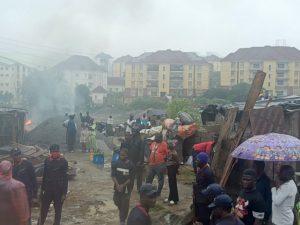
The Federal Capital Territory Administration (FCTA) has demolished illegal structures and shanties, popularly known as “Cashew Garden,” in Apo Cadastral Zone E27, Abuja, as part of its ongoing city sanitation operation.

Director of Development Control, Mukhtar Galadima, who led the operation on Tuesday, said the exercise was aimed at ridding the city of criminal elements and miscreants.

“You recall that we were at Zone 3, Wuse and UTC for similar exercises since the commencement of the operation as directed by the FCT Security Committee. Today we are in Apo, dislodging shanties and miscreants, posing security threats to residents of the area,” he said.

Chairman of the garden, Mr Steven Obiozo, said about 200 occupants were not criminals, explaining that the landowner had permitted them to occupy the area.

Obiozo said the residents built small tents and shops, mostly selling provisions, food, beer and soft drinks.

Galadima, however, maintained that their occupation was illegal, as it lacked government authorisation, warning that the FCTA would revoke land allocations from those harbouring miscreants.

“The area was designated for residential purposes, and allottees failed to develop their plots within the stipulated time. As directed by the FCT Security Committee, we are going to take over the area; we are going to possess it,” he said.

He added that the site had a clearly defined road corridor, part of the S20 extension of Oladipo Diya Road, running through FHA Apo to Guzape 2.

“We have concluded, based on what we have seen, that all those who own plots here and allow illegal structures will lose their allocations, which will be reverted to the FCT Administration,” Galadima added.

The director said the operation would extend to all parts of the FCT.

Director of the Security Services Department, FCTA, Mr Adamu Gwary, said the exercise was making the territory unsafe for criminal elements.

Gwary, represented by the Secretary of Command and Control, Dr Peter Olumuji, said some of the suspects dealt in illicit drugs.

“One thing we want criminal elements to know is that FCT is not a place they can urbanate again. Wherever you go, we are going to pursue you and smoke you out,” Gwary said.

PIAK

CYMS Urges Support for SDGs

0

The Committee of Youth on Mobilisation and Sensitisation (CYMS) has joined the global call to spotlight and support young people driving grassroots actions for sustainable development.

The Committee of Youth on Mobilisation and Sensitisation (CYMS) is an evaluation, monitoring and mobilisation body assisting the Federal government on promoting its policies and programmes with a view to encourage Nigerians to key in and support the Government.

This year’s United Nations theme, “Local Youth Actions for the SDGs and Beyond,” served as the cornerstone of CYMS’s message, reinforcing its mission to empower Nigerian youth as key drivers of societal transformation.

In a statement signed by its Director General, Chief Obinna Nwaka, CYMS emphasised that local action is not only the bedrock of sustainable change but also a powerful catalyst for achieving the Sustainable Development Goals (SDGs).

“At CYMS, we believe that local action is the foundation of global impact. Nigeria’s youth are not only tomorrow’s leaders, they are today’s change-makers. Their ideas, innovations, and initiatives are already shaping a more sustainable and inclusive future,” Chief Nwaka stated.

Highlighting the remarkable contributions of young Nigerians in areas such as climate resilience, digital innovation, gender equality, peacebuilding, and entrepreneurship, the organisation praised the ongoing efforts of the Honourable Minister of Youth Development, Ayodele Olawande, in empowering youth across the country.

“From rural communities to urban centres, Nigerian youth are stepping up to tackle local challenges with creativity, passion, and commitment. Whether it’s through community clean-up drives, tech-driven solutions, agricultural innovation, or social impact campaigns, their efforts mirror the essence of the SDGs in action,” the statement read.

CYMS did not just commend the Minister’s initiatives but also applauded his commitment, doggedness, and passion for youth development, passing a vote of confidence on him as the best Youth Minister in the history of the Federal Republic of Nigeria.

Chief Nwaka expressed gratitude for the strong working relationship with the Ministry and voiced optimism about future opportunities for collaboration.

To commemorate the day, CYMS unveiled a lineup of nationwide activities aimed at deepening youth involvement in the SDG agenda, including Youth Town Halls and Intergenerational Dialogues, Leadership Training Sessions, Digital Literacy Workshops, and Innovation Showcases highlighting youth-led solutions across Nigeria’s six geopolitical zones.

Chief Nwaka also issued a rallying call to stakeholders, including government institutions, the private sector, civil society organisations, and development partners to increase support for youth-led initiatives.

“It is time to invest more boldly in our young people. Let us provide the platforms, resources, and policies that enable them to thrive. We must not only hear youth voices, we must act on them,” he urged.

As Nigeria joined the global community in marking International Youth Day, CYMS reiterated its dedication to fostering inclusive, sustainable, and youth-centered policies and programs.

“This International Youth Day, we celebrate the potential of local youth action to deliver global progress. The future is not just ahead of us, it is being built now, by young hands and bold hearts. The time is now. The power is ours. The future is youth,” Chief Nwaka concluded.

Through its continued advocacy, capacity-building initiatives, and nationwide outreach, CYMS remains at the forefront of nurturing a generation of informed, empowered, and action-oriented young Nigerians poised to shape the future.

PIAK

President Tinubu Hosts Anambra Governor in Abuja

President Bola Ahmed Tinubu has hosted Anambra State Governor, Charles Chukwuma Soludo, at the Presidential Villa in Abuja, Nigeria’s capital, on Tuesday, August 12, 2025.

The meeting comes three months after President Tinubu’s May 8 visit to Anambra State, during which he commissioned several projects executed by Governor Soludo, including the new Anambra State Government House and the Solution Fun City.

While details of Tuesday’s discussions were not disclosed, the engagement is seen as significant ahead of the November 8, 2025 governorship election, in which Governor Soludo is seeking re-election as the flagbearer of the All Progressives Grand Alliance (APGA).

PIAK

Minister Urges Global Support for Youth Innovations

0

Nigeria’s Minister of Youth Development, Ayodele Olawande, has called on global partners, the private sector, and civil society to commit to long-term support for youth-led innovation as a key driver of the United Nations Sustainable Development Goals (SDGs) and the post-2030 development agenda.

Olawande made the call on Monday during the 2025 International Youth Day celebration in Abuja, themed “Youth, SDGs and Beyond – Igniting Innovation for a Sustainable Future.”

He stressed that Nigeria’s youth, who make up over 60 percent of the population, are indispensable to achieving the SDGs by 2030 and sustaining progress thereafter.
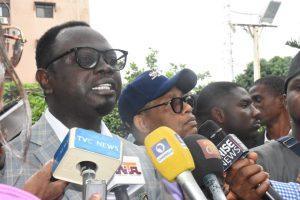
“With over 60% of our population under the age of 25, Nigeria’s greatest strength lies in its youth

“They are already leading change in agriculture, health, education, renewable energy, and digital technology,” Olawande said.
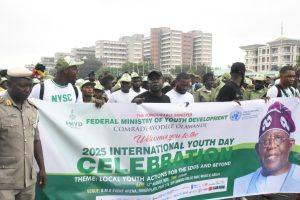
The minister acknowledged that young entrepreneurs face significant funding and market access challenges but assured that the government is committed to improving youth entrepreneurship policies, expanding funding opportunities, and ensuring youth voices are central to decision-making across government, business, and development sectors.

He urged partners to back youth ideas with financial support, mentorship, and global exposure. “Our youth are not just beneficiaries of the SDGs, they are co-creators of solutions,” Olawande noted. “Their innovation is the bridge between today’s Nigeria and the Nigeria we dream for future generations.”

The minister concluded with a call for sustained youth empowerment, saying, “Together, we can achieve the SDGs and go beyond.”

Also speaking at the event, UNDP Resident Representative in Nigeria, Ms. Elsie G. Attafuah, called for increased investment in Nigerian youth, emphasising that local action is crucial to achieving the SDGs and driving Africa’s transformation.

“The SDGs will not be achieved in New York, Geneva, or Abuja alone, but in our towns, villages, campuses, and communities. It is here, where life happens, that the future is shaped,” she said.

Attafuah highlighted Nigerian youth leadership in agriculture, technology, peacebuilding, and green enterprise, pointing to UNDP-supported programmes that equip young people with skills, tools, and networks to effect change.

She described UNDP’s efforts as extending beyond isolated projects to building a continental youth empowerment architecture. She cited the Timbuktoo initiative, a $1 billion pan-African innovation programme establishing specialised hubs across Africa in fintech, greentech, healthtech, agritech, and creative industries.

In Nigeria, seven UniPods are tailored to local strengths, including ethical AI research at the University of Lagos, agro-processing in Benue, peace-tech in Borno, green mining in Nasarawa, and manufacturing innovation in Abia and Kaduna. All are expected to be operational by the end of 2025.

“To truly unlock Nigeria’s youth dividend, we must scale what works, remove barriers, and invest not in pilots, but in pipelines of start-ups, export-ready MSMEs, and sustainable ecosystems that connect grassroots innovation to global markets,” Attafuah said.

She commended the Office of the President of Nigeria and the European Union for supporting the Nigeria Jubilee Fellows Programme, stating that Africa’s transformation will be shaped by “the resilience and brilliance” of its youth and women-led enterprises.

The Permanent Secretary of the Federal Ministry of Youth Development, Mr. Olubomi Olusanya, highlighted the critical role of young people in grassroots transformation, national progress, and global development.

Olusanya stressed that sustainable development begins with bold ideas, local innovation, and the everyday actions of youth.

He noted that under President Bola Ahmed Tinubu’s Renewed Hope Agenda, youth development has been elevated to a national priority.

“Through initiatives such as the Nigerian Youth Academy, the Nigerian Youth Aid Desk, and the Nigerian Youth Parliament, alongside programs that expand digital skills, promote entrepreneurship, and reform institutions such as the NYSC, the Federal Office of Youth Development is committed to equipping young Nigerians to lead, innovate, and thrive in a rapidly changing world,” he said.

Olusanya added that strategic partnerships with the private sector, civil society, and development agencies are essential to harnessing technology, creativity, and civic engagement as tools for peacebuilding, economic growth, and inclusive development.

He urged participants to seize the occasion as an opportunity for learning, dialogue, and collaboration, calling on youth to become catalysts for community-driven solutions and national progress.

The Youth Innovation Funfair, organised by the Federal Ministry of Youth Development, featured innovation booths, pitch sessions, networking opportunities, masterclasses, and cultural showcases, providing a platform for young innovators to connect with investors, mentors, and development partners.

PIAK

SPP Awards Climate Education Certificates to Adamawa Teachers

0

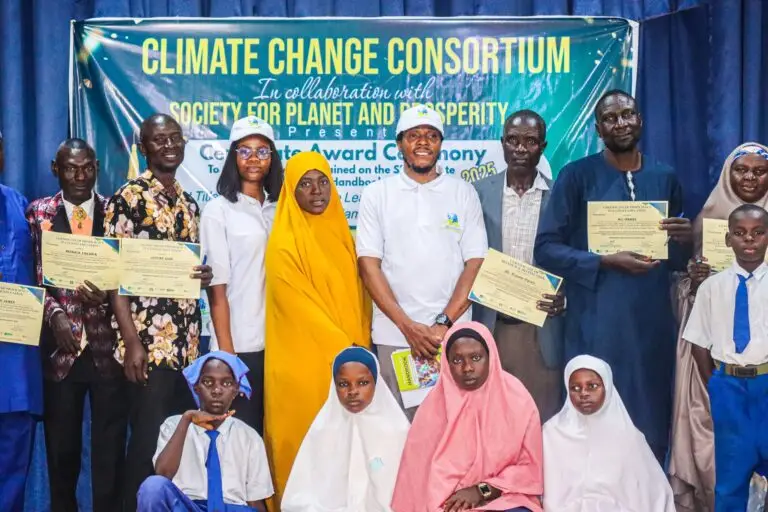
The Society for Planet and Prosperity (SPP), in collaboration with DCR Ambassadors and the Climate Champion Consortium (CCC), has awarded Certificates of Proficiency in Climate Education to 12 teachers from two post-primary schools in Adamawa State, Northeast Nigeria.

This is contained in a statement obtained from the verified X handle of SPP on Tuesday in Lagos State, Southwest, Nigeria.

According to SPP, the certification follows the completion of a rigorous four-month capacity-building programme covering foundational climate science, the causes and impacts of climate change, and practical strategies for adaptation and mitigation.

It added that the programme concluded with an intensive four-week specialised training on the Climate Education Handbook.

It explained that, armed with new skills and classroom resources, the certified teachers are set to establish school climate clubs, employing gamified activities and hands-on exercises to inspire students and communities.

It said the approach aims to make climate education engaging, memorable, and action-oriented.

It added that the “Climate Education Handbook” would serve as a guiding resource for both classroom lessons and community outreach initiatives.

“We are proud of the dedication shown by these educators. Their commitment will not only transform how climate education is delivered in schools but will also strengthen grassroots climate literacy,” it said.

SPP extended its gratitude to DCR Ambassadors, all CCC members, school leaders, government representatives, development partners, and the participating educators for their collective efforts in advancing climate education at the community level.

Kano State Meets With Stakeholders on Safe Corridor Project

0

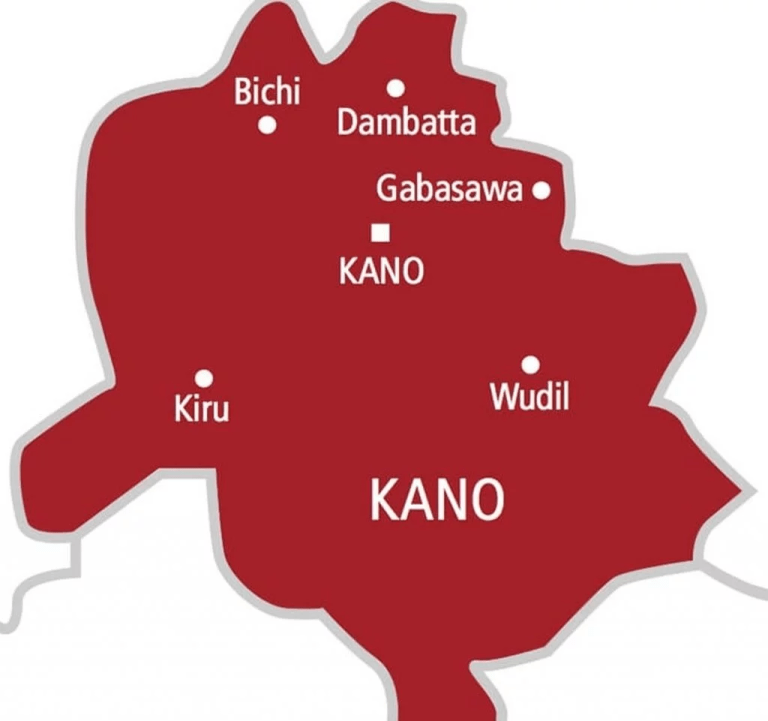
The Kano State Government has met with cluster leaders of repentant youth influencers as part of preparations for the launch of the Kano Safe Corridor Project.

The initiative, spearheaded by the Ministry of Information and Internal Affairs, aims to promote peace, security, and rehabilitation through sustainable livelihoods, psychosocial support, and skills training for reformed youths.

Speaking at the one-day interface meeting, Kano State Governor Abba Kabir Yusuf, represented by the Commissioner for Information and Internal Affairs, Ambassador Abdullahi Ibrahim Waiya, described the Safe Corridor Project as a comprehensive reintegration programme designed to provide long-term opportunities for youths who have embraced rehabilitation.

“The involvement of cluster leaders is critical in ensuring grassroots acceptance, monitoring, and conflict prevention within participating communities,” Waiya said.

Some cluster leaders expressed appreciation to the state government and development partners for initiating the project, pledging their full cooperation to ensure its success.

“We call for sustained follow-up programmes to consolidate the gains of rehabilitation and prevent relapse into crime or violence,” they said.

The project adopts a multi-pronged approach that includes vocational training, civic education, and community dialogue, with the goal of fostering lasting peace and social cohesion in Kano State.

The meeting was attended by key stakeholders, including Alhaji Gidado Mukhtar; Kano State Commissioner of Police, Ibrahim Adamu Bakori; Vice Chancellor of Northwest University, Professor Muktar Atiku Kurawa; Dan’amar Aliyu Umar Harazimi; and NDLEA Kano Commandant, Abubakar Idris Ahmad, who expressed confidence that the project, once operational, would serve as a model for inclusive rehabilitation and community reintegration in Nigeria.

PIAK

UNICEF, Gavi Deliver 28 Solar Health Centres to Kano

0

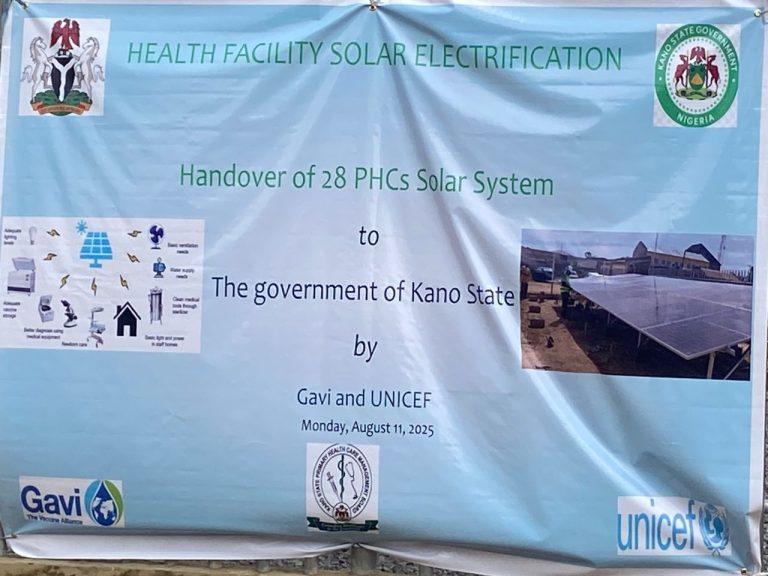
The United Nations Children’s Fund (UNICEF) and Gavi, the international vaccination alliance, have handed over 28 solar-powered primary healthcare (PHC) facilities to the Kano State Government to boost maternal and child health services.

The project, co-funded by Gavi and the Kano State Government, is aimed at strengthening the healthcare system, improving routine immunisation, and tackling preventable diseases, particularly among mothers and children.

Speaking at the official handover ceremony to the state government and the National Primary Health Care Development Agency (NPHCDA), Kano State Commissioner for Health, Dr. Abubakar Labaran Yusuf, said the facilities would help address the challenge of zero-dose children and pregnant women who lack access to immunisation and basic healthcare.

“UNICEF, in collaboration with Gavi, has supported the solarisation of PHC facilities under the CDS3 Health System Strengthening initiative, focusing on Nigeria’s 100 zero-dose LGAs where large numbers of children remain unvaccinated and deprived of other health services,” he said.

Dr. Yusuf noted that Kano tops the list in Nigeria for zero-dose cases, stressing that the solar-powered facilities would play a crucial role in closing the gap.

“In 2023, UNICEF supported a comprehensive PHC functionality and energy needs assessment, which led to the selection of 371 facilities for solarisation. The current installation phase, in partnership with eHealth Systems Africa, saw 28 PHCs in Kano fully equipped with solar power,” he explained.

He added that the selection process prioritised PHCs in zero-dose LGAs, excluded those covered by other projects such as CRIBS and IMPACT, and targeted facilities without reliable electricity.

“Priority was given to Level-2 PHCs already providing routine immunisation, as well as those with minimal staffing to strengthen their capacity,” Dr. Yusuf said, warning against converting the facilities for personal use or other purposes.

For her part, Gavi Senior Country Manager, Jessica Crawford, described the partnership as part of a collective effort to strengthen Kano’s healthcare system and improve maternal and child health outcomes.

“Kano is strategic, hence the need to support the state to curb zero-dose cases among children,” she said, adding that Gavi would spend about five million dollars in Kano over the next two years to support policies and programmes in line with the Nigerian government’s health objectives.

Crawford urged the state government to invest more in healthcare to sustain improvements in immunisation coverage, visibility, and accountability.

“Gavi stands with you to strengthen your health system to ensure Kano children receive vaccines,” she said.

The Chief of Field Office, UNICEF Kano, Rahama Rihood Mohammed Farah, represented by Officer-in-Charge Michael Banda, said the initiative was a step toward building a sustainable and equitable healthcare system for all.

Banda noted that “reliable electricity enables proper vaccine refrigeration, round-the-clock services, and reduced reliance on fossil fuels.”

PIAK

Nigeria, Israel Reaffirm Commitment to Strengthen Cooperation

0

Nigeria and Israel have reaffirmed their commitment to deepening bilateral cooperation in security, counter-terrorism, and economic development.

The pledge was made during a high-level political dialogue held in Abuja between Nigeria’s Minister of State for Foreign Affairs, Ambassador Bianca Odumegwu-Ojukwu, and Israel’s Deputy Minister of Foreign Affairs, Sharren Miriam Haskel-Harpaz.

Both countries emphasised the need for stronger collaboration in intelligence gathering, information sharing, and counter-terrorism financing.

They also stressed the importance of advanced security training to combat global threats.

Discussions focused on enhancing trade and investment opportunities, with Nigeria seeking to leverage Israel’s expertise in technology and innovation to boost its economic growth.

The two nations agreed to promote cultural exchange programmes, tourism, and cooperation in agriculture to strengthen people-to-people ties.

They further explored collaboration in technology and innovation for border management, capacity building, and consular and immigration matters.

To solidify their partnership, Nigeria and Israel agreed to facilitate exchange programmes and study tours to promote mutual understanding and cooperation, and to establish a more robust bilateral framework to ensure sustained dialogue and collaboration.

The meeting reflects the enduring and strategic partnership between Nigeria and Israel, with both countries committed to addressing global security challenges and advancing economic development.

PIAK