Home Blog Page 96

Unlocking African Women’s Potential: 2026 Leadership Summit

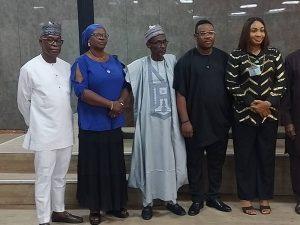
The Founder of the Focus Africa Series, Mr Success Bright, has highlighted the transformative potential of the forthcoming Leading and Emerging Women Conference, noting that it will provide pathways for women to realise their full potential.

The announcement was made during a stakeholders’ meeting organised by the Office of the Secretary to the Government of the Federation (SGF) in partnership with Focus Africa Series. The conference is scheduled to take place in Guinea Conakry from 29 April to 1 May 2026.

 The Acting  Permanent Secretary, Political and Economic Affairs at the Office of the SGF, Ifiok Abia, emphasised that the conference, themed “Women Helping Women – Tech, Entrepreneurship, Investment, and Health Management as Priorities for Women”, reflects the growing recognition of women’s critical role in driving innovation, economic growth, and social development.

“This stakeholders’ meeting ensures the conference achieves its objectives: empowering women leaders, fostering networks between emerging and established professionals, and identifying practical avenues to enhance women’s participation in technology, enterprise development, and health management,” he said.

He noted that while some Nigerian women have attained influential positions nationally and internationally, many remain confined to domestic roles and require support to fully contribute to society.

Mr Success Bright revealed that Focus Africa Series operates across 29 African countries, implementing projects and organising conferences that foster dialogue, mentorship, partnerships, and capacity building for women at all levels.

“Since 2020, we have engaged women across Africa through the Leading and Emerging Women Conference, providing a platform to unleash their potential. The conference has been held annually, reaching 17 countries through quarterly, biannual and annual programmes,” he explained.

“At these events, established women mentor emerging leaders, providing a platform to excel and achieve the success they aspire to,” Mr Bright added.

He also highlighted that the Focus Africa Series empowers women not only through mentorship and knowledge sharing but also through financial support. Over the past three years, women have received hundreds of millions of naira to start or expand businesses, with careful follow-up to ensure funds are used effectively.

Speaking in a goodwill message, Mr John Obekpa, Executive Director, Strategy, expressed Focus Africa Series’ desire to promote Nigeria’s culture in a forthcoming cultural festival in Canada through participation in Windsor International Diaspora African Festival (WIDAFest), a cultural programme that showcases African cultural heritage yearly in Windsor, Ontario, Canada.

The festival, scheduled for August 2026, will be preceded by the Focus Africa at 10 celebration in Abuja in July 2026, marking a decade of the NGO’s impactful initiatives.

Lesser Hajj: Monarch Seeks Prayers for Peace in Nigeria

0

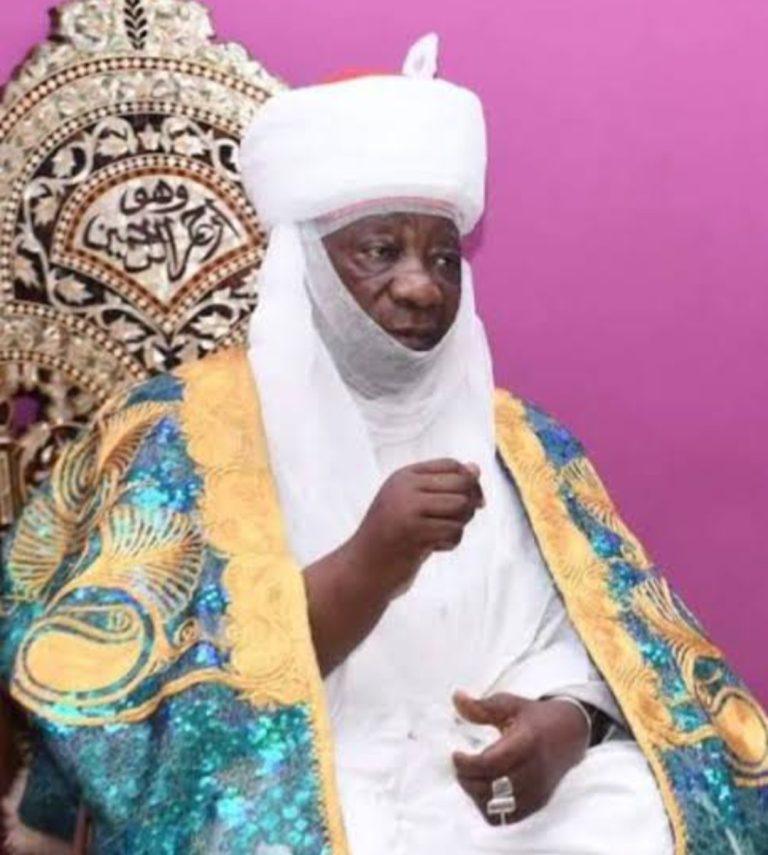
The Emir of Ilorin and Chairman of the Kwara State Traditional Rulers Council, Ibrahim Sulu-Gambari has urged pilgrims performing the lesser Hajj to pray fervently for peace, unity and stability in Nigeria.

The Monarch made the appeal in a goodwill message issued through his Press Secretary, Abdulazeez Arowona, encouraging pilgrims in the Saudi Arabia to remember the nation in their prayers during the Umrah pilgrimage.

According to the traditional ruler, “peaceful coexistence, religious harmony and the prevention of a breakdown of law and order remain key factors for achieving sustainable growth and development in any nation.’

The Monarch urged the pilgrims to use the spiritual opportunity of the pilgrimage to pray for the progress of Ilorin Emirate, Kwara State, Nigeria and humanity at large.

“I urge you all to use this auspicious occasion of Umrah pilgrimage to intensify prayers for Ilorin Emirate, Kwara State, Nigeria and humanity at large for the realisation of global peace amid ongoing tension, insecurity and other social challenges,” the statement reads.

He also appealed to Pilgrims from Kwara State and Nigeria in general to be good Ambassadors of the nation throughout their stay in Makkah and Madinah and shun all acts capable of labelling and projecting Nigeria in a bad image.

The Monarch sent his goodwill messages to the Muslim Ummah, whose intention is to perform Itikhaf in Jumat mosques across the country, beseeching the Almighty to make it easy for them with absolute acceptance and maximum rewards.

The Emir therefore prayed for a successful Umrah exercise in sound health and Allah’s providence as well as to protect the family members they left behind at home.

Mozambique Explores Investment Drive to Leverage National Assets

0

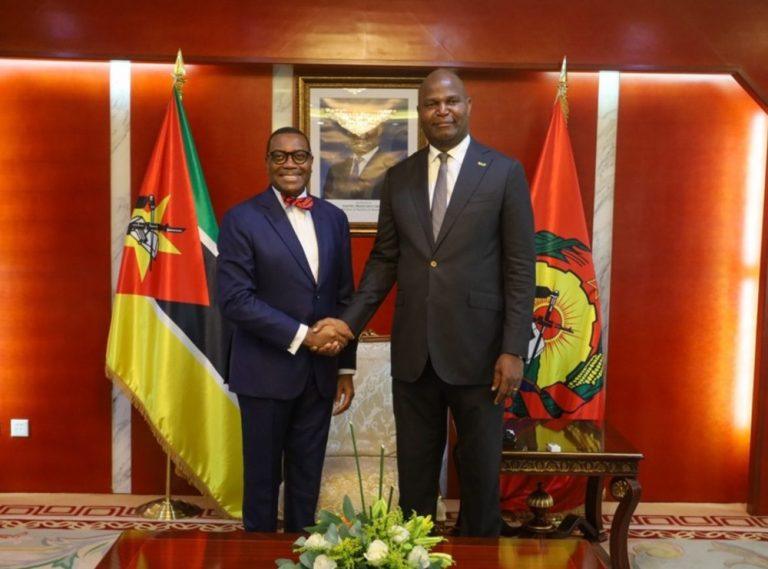
President Daniel Chapo has held talks with the President of the Global Africa Investment Summit, Akinwumi Adesina, on a proposal aimed at mobilising private capital by transforming key national assets into investor-ready projects.

The discussions focused on Mozambique’s potential participation in a programme that would package strategic assets—including energy resources, minerals and ports—to attract international investors.

President Chapo said; “the initiative is part of a broader development strategy designed to harness the country’s resources to drive economic growth while reducing reliance on external borrowing.”

We received the President of the Global Africa Investment Summit, Akinwumi Adesina, to discuss a development strategy based on enhancing national assets,” Chapo said.

He said that leveraging domestic resources could help the country unlock new investment opportunities and strengthen long-term economic stability.

The meeting, announced on Chapo’s official X account, came as the country continues to recover from recent floods.

Adesina expressed solidarity with victims and praised Mozambique’s leadership and the resilience of the population.

Officials said the discussions also considered Mozambique’s ambition to position itself as a regional energy and logistics hub and the practical steps needed to de‑risk public assets for investors.

GAIS, co‑founded by Adesina and Margery Kraus – founder and executive chair of US-based public affairs and advocacy consultancy APCO – aims to convert public assets into de‑risked, investment‑ready portfolios to catalyse private investment across Africa.


AP

CBN Policy Actions Strengthen Forex Market Stability- Cardoso

The Central Bank of Nigeria, CBN, says recent policy delivery actions by the apex bank are strengthening stability and improving efficiency in Nigeria’s foreign exchange market.

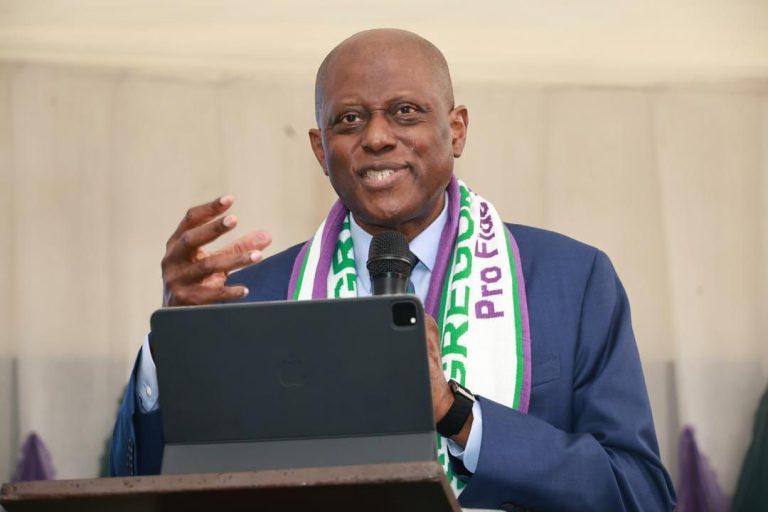
The CBN Governor, Olayemi Cardoso said that the CBN had eliminated the system of multiple exchange rates, a practice that had previously benefitted only a privileged few.

Cardoso said the bank has also reduced the parallel market premium from about 50 percent in 2022 to less than two percent on average in 2025.

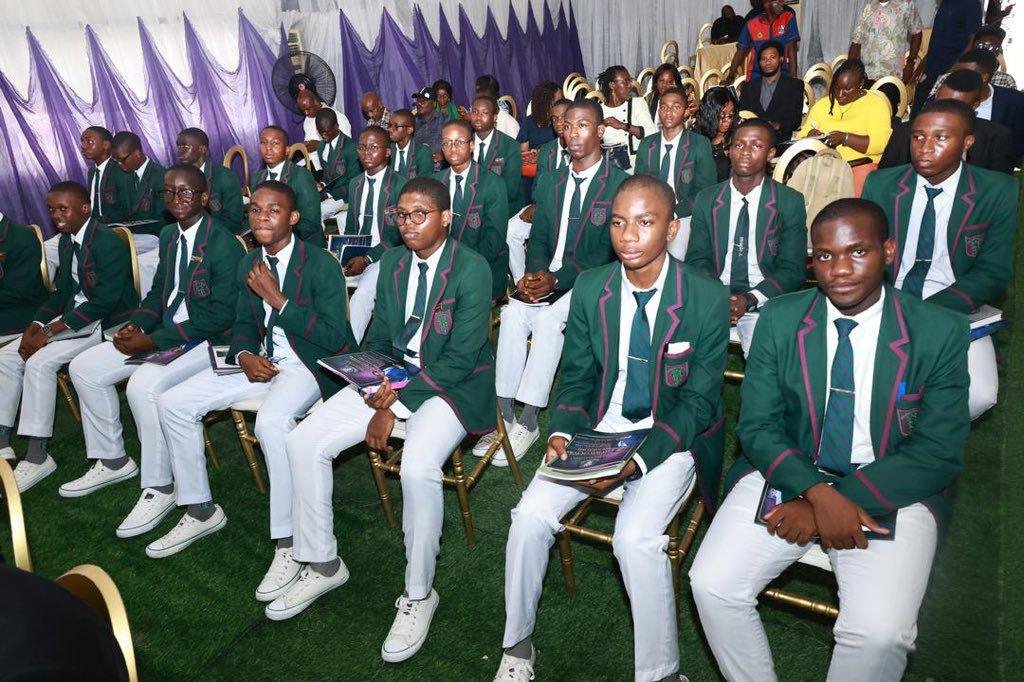
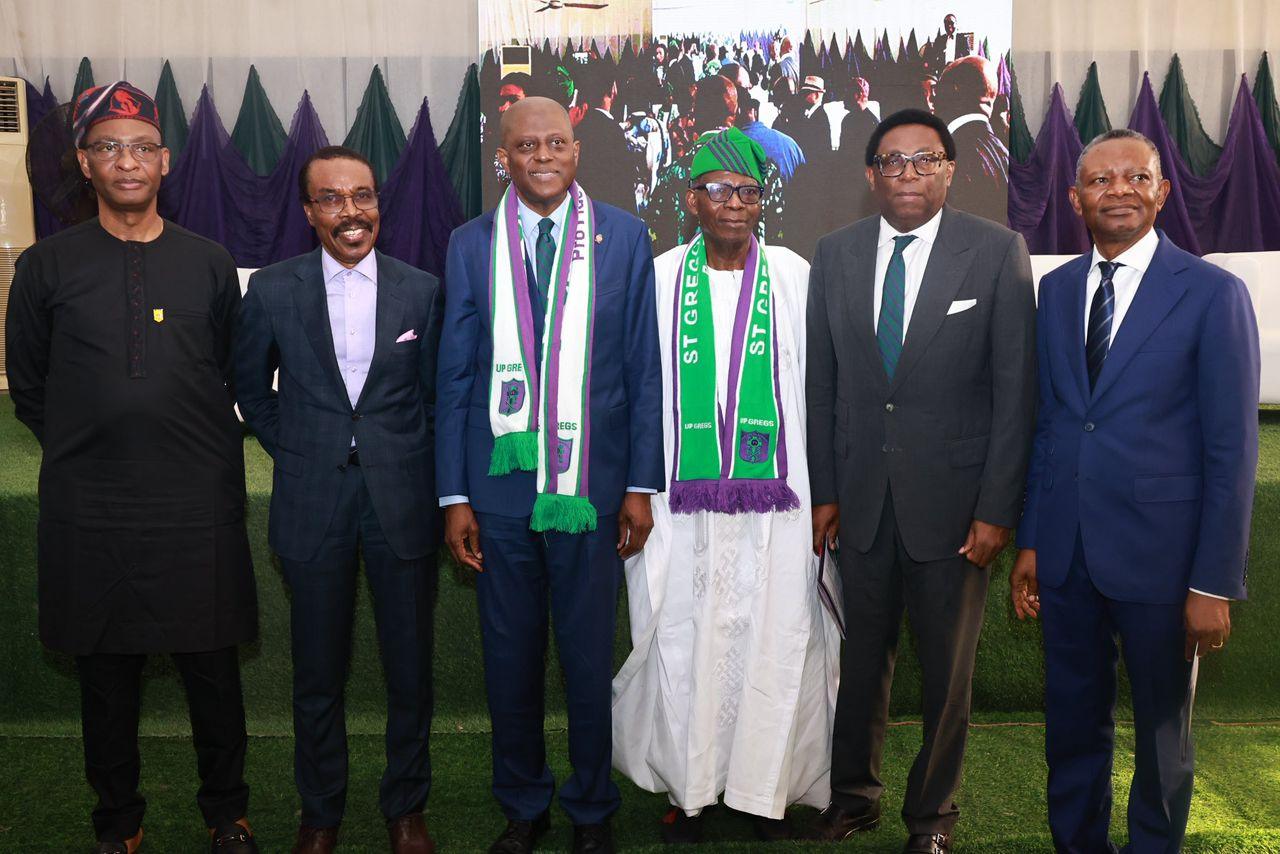
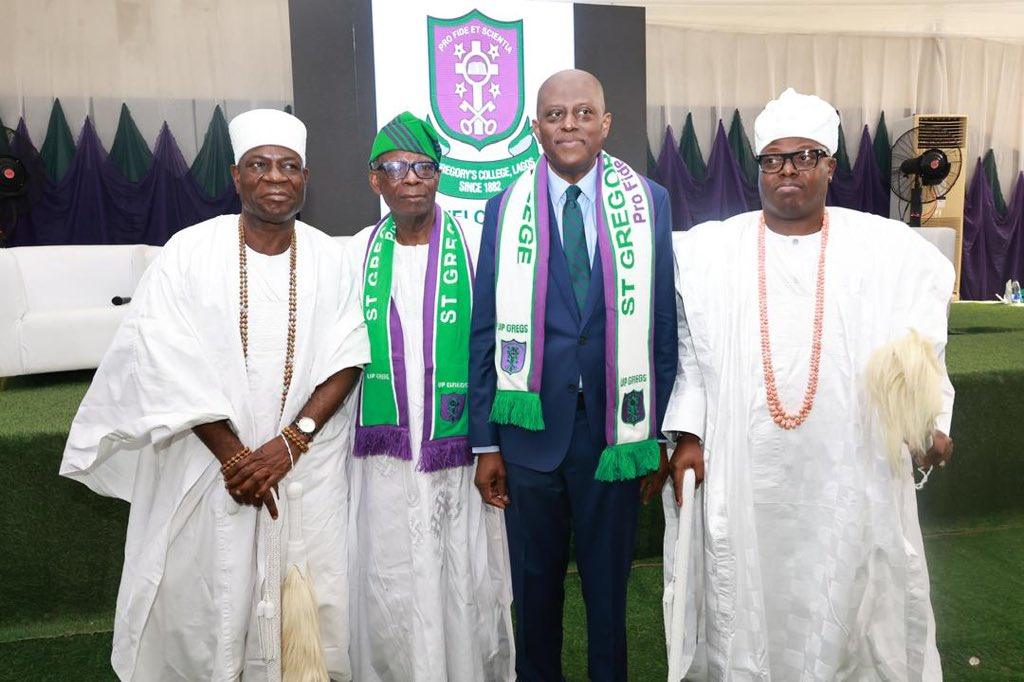
Speaking at the alumni lecture of St. Gregory’s College, Cardoso noted that liquidity in the foreign exchange market has improved, while capital and investment inflows into Nigeria rose by nearly 200 percent between 2023 and 2025.

READ ALSO: EFCC Seeks CBN, Immigration Support on Dollarization, Illegal Mining 

He said that Nigeria’s external reserves recently exceeded 50 billion dollars, reflecting growing investor confidence in the economy.

The CBN boss said; “This progress reflects not only the resilience of Nigeria’s financial system, but also the growing confidence of investors in the long-term potential of our economy. By strengthening the capital foundations of our banks and ensuring that our financial markets are transparent and well governed, we are also strengthening the foundations of economic growth itself.”

The apex bank Governor said that the renewed shocks in the global economy, including continued geopolitical tensions and the latest developments in the US–Israel–Iran conflict, are likely to push energy prices higher, disrupt supply chains, and increase risk aversion among global investors.

He however assured Nigerians that the macroeconomic reforms and policy buffers built by the CBN over the past two years have placed Nigeria in a far stronger position to navigate these challenges.

Cardoso also highlighted the rapidly evolving future of finance as well as the transformative contributions of technology in the financial landscape, as it reshapes how individuals access services, how businesses transact, and how economies grow.

This, he said, was the reason why the CBN is taking the fintech ecosystem seriously, by establishing clear measures that stand not as obstacles but the infrastructure that ensures that innovation can scale sustainably ensuring that these regulatory frameworks protect the integrity and credibility of the broader financial ecosystem.

He said; “Nigeria today hosts one of the world’s most dynamic fintech ecosystems. Digital payments, mobile banking, financial technology platforms, and digital identity solutions are expanding financial inclusion to millions of previously underserved Nigerians. Young entrepreneurs are building businesses that simply did not exist a decade ago. Technology is enabling faster, safer payments, more efficient lending, and broader access to investment opportunities.”

The CBN then, as a reminder on the true purpose of education, said that despite already established successes recorded and the projections, the strength of the nation’s financial system ultimately depends on the strength of its human capital.

He said; “The bankers, regulators, entrepreneurs, and policymakers who shape it are products of institutions like St. Gregory’s College. Discipline, integrity, and responsibility are instilled long before graduates enter the workforce, and these values underpin the credibility and resilience of our institutions.”

The CBN Governor stressed that the most important foundations a nation can build are not physical structures, but human ones, noting that the classrooms of today will shape the financial systems of tomorrow.

Speaking to the students present, Cardoso said that “their success will increasingly depend on their ability to understand and work across multiple disciplines, stressing that skills in areas such as artificial intelligence, coding, data science, digital media, and emerging technologies will probably not replace traditional careers but will certainly enhance them.”

Nigeria’s Tax Reforms Target Relief for Low-Income Earners

0

The Nigerian government says the ongoing tax reforms will significantly reduce the burden on low-income earners while simplifying the country’s complex tax system and improving transparency in revenue collection.

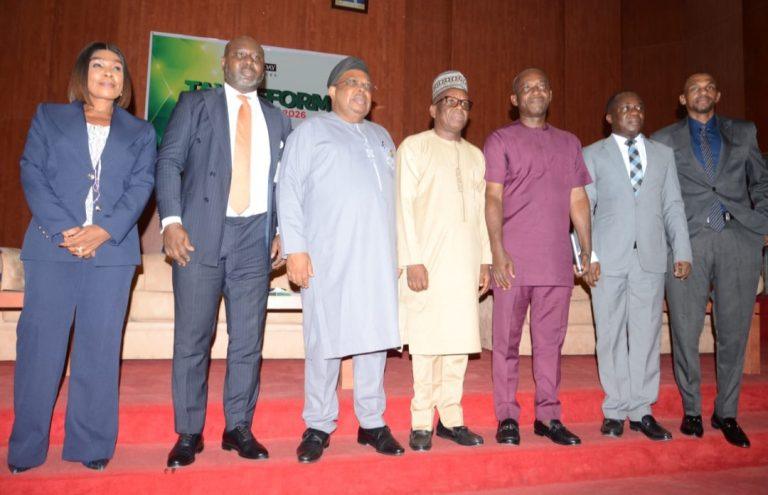
Speaking at a public forum, Tax Reform Conference, organised by BusinessDay Media in Abuja, the Chairman of the National Tax Policy Implementation Committee, Joseph Tegbe explained that Nigeria’s sweeping tax reforms are designed to simplify the country’s tax structure, protect low-income earners and improve transparency in revenue administration.

Tegbe, whose committee was set up by President Bola Ahmed Tinubu to drive the implementation of the new tax regime, said the reform represents the most comprehensive overhaul of Nigeria’s tax system in decades.

He said; “What we’ve tried to do with the reform is to consolidate all these laws, which then embodied four landmark legislations. The Nigerian Tax Act 2025, Nigerian Tax Administration Act, the Nigerian Revenue Service, that used to be called FRS, and then the Nigerian Revenue Board, which used to be called Nigerian Tax Board. These laws actually represent a structural reset of Nigerian tax architecture. Ultimately, a tax system must not work only for government.

“There’s no single new tax that this administration has introduced. No. It can be called another name, but a new tax has been not been introduced.We brought all of them together and actually made them even smaller and tighter, If implemented properly. And we will try to implement properly. And one way to implement properly is to have a distinct head. We are going to do this with human beings. That’s the mandate Mr. President gave me. Make sure the agencies, NRS, they are implemented with human faith. Four institutions are called the Nigerian Tax Architecture today. All these institutions, they were set up for better coordination across government. Also, improved dispute resolution and stronger taxpayer protection. For the first time, this government set up tax ombudsman,” Tegbe explained.

Also Read: FIRS Justifies Tax Reforms in Nigeria
Tegbe noted that the overhaul was necessary because Nigeria’s fiscal structure had become weak, with one of the lowest tax-to-GDP ratios globally.

Nigeria currently collects between six and 10 per cent of its GDP in taxes, he said, compared with about 26 per cent in South Africa and roughly 30 per cent in advanced economies.

He said that under the new framework, most low-income earners and small businesses would either pay less tax or none at all.

“Years ago, our fiscal structure as a country was very weak and fragile. So one of the reasons why these taxes were put together is to eliminate all these things. The incentives are better. But in the past, what has happened is that a small number of compliant businesses and individuals carry most of the tax burden, while segments of the economy remain outside the tax net. So the goal of this reform, is to make the tax system simpler, fairer, and more efficient for government, businesses, and for all of us in this room,” he added.

The Executive Secretary of the Joint Tax Board, Olusegun Adesokan said the reforms are designed to build a fair, transparent and technology-driven tax system that encourages investment and economic growth.

Adesokan said the reforms align with the fiscal philosophy of the administration of Bola Ahmed Tinubu, which aims to support businesses, protect jobs and ensure that lower-income Nigerians pay little or no tax.

“Before now, we had several different tax laws covering various sectors such as companies’ income tax, value added tax and others. The reforms aim to bring these provisions together in a simplified system so taxpayers can easily understand their obligations,” he said.

Adesokan explained that technology will also play a major role in the reforms, noting that digital platforms will reduce human interaction in tax processes, block revenue leakages and limit opportunities for corruption.

“For the majority of Nigerians, especially those earning relatively modest incomes, taxes will either be significantly reduced or eliminated entirely,” he said.

Adesokan also urged Nigerians to maintain proper financial records and comply with annual tax filing requirements, noting that employers are required to submit returns detailing taxes deducted from employees, while individuals must also file their personal tax returns within the statutory period.

On his part, Professor Uche Uwaleke, of Nasarrawa State University, said with the commencement of the New Tax Framework, Nigerians are entering a new era in fiscal governance, stressing that the reforms embodied in the Nigerian Tax Act 2025 represent one of the most comprehensive restructuring of Nigeria’s revenue systems in decades.

“The recent reforms are therefore designed to address these structural weaknesses by modernising tax administration, improving efficiency, broadening the tax base, and strengthening fairness. The New Tax Regime seeks to strike a delicate balance between revenue generation and economic growth. On the one hand, the government needs sustainable revenue to finance development priorities and reduce dependence on borrowing. On the other hand, the tax system must remain competitive, predictable, and supportive of investment and enterprise,” he said.

Meanwhile, the Acting Executive Chairman of the Federal Capital Territory Internal Revenue Service, Michael Ango, described the current reforms as the most comprehensive restructuring of Nigeria’s tax system in decades.

Ango said the reforms were developed through extensive consultations involving government officials, private sector experts and other stakeholders.

He noted that the decision by President Tinubu to establish a national implementation committee demonstrates the government’s commitment to ensuring the reforms are properly executed.

“The goal is to build a fiscal system that can support national development in a sustainable way. Taxation remains the most reliable source of revenue for government anywhere in the world,” he said.

Ango explained that tax revenue is essential for funding infrastructure such as roads, schools, hospitals and security services, adding that the reforms seek to ensure fairness by placing greater responsibility on higher-income earners.

Earlier, Organiser of the conference, Publisher of Business Day Media Limited, Frank Aigbogun, Represented by The Managing Editor North and FCT, Mr. John Osadolor said the event has been organised to take an in-depth look at the recent tax reforms introduced by President Bola Ahmed Tinubu.

“This event, therefore, has been put together by Business Day Media Limited to help provide clarity where there are doubts, remove misconceptions around the tax reforms, and ultimately make compliance easier especially for the business community,” Osadolor added.

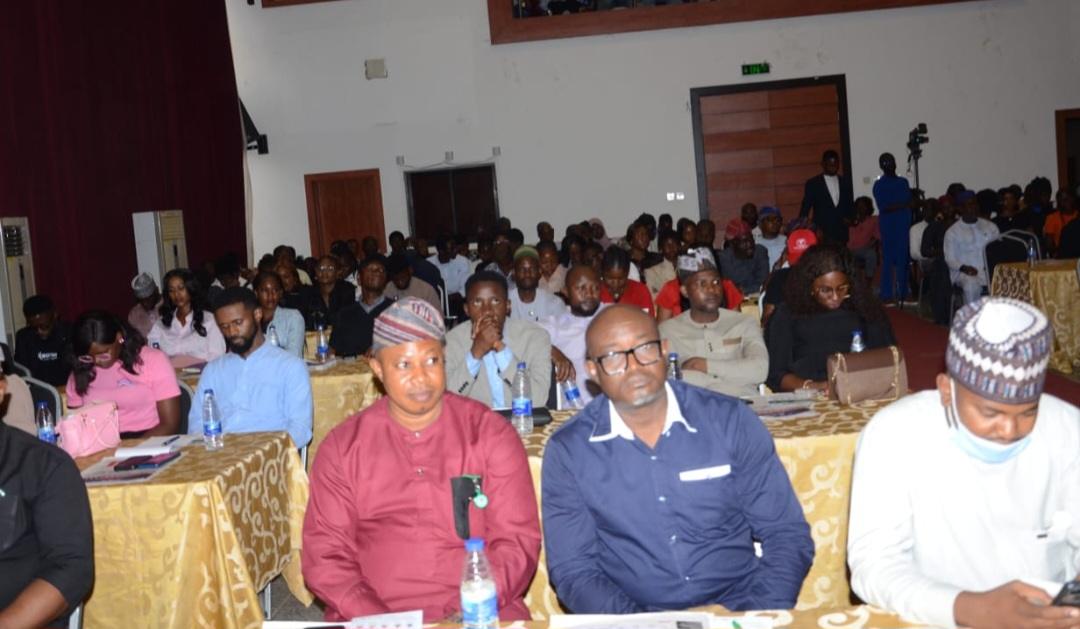
Stakeholders at the conference with the theme: “Navigating the new tax reform, what it means for your wallet,” maintained that stronger compliance would eventually translate into better infrastructure, improved public services and greater trust between citizens and government.



Defence Minister Reaffirms Fight Against Terrorism, Banditry

0

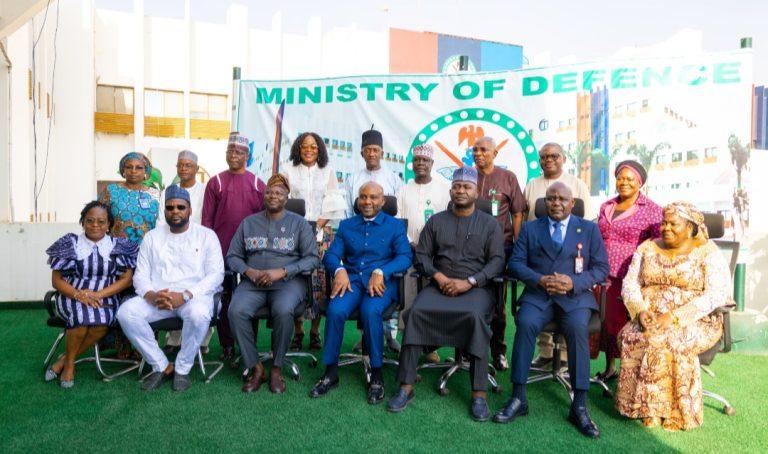
The Minister of Defence, General Christopher Musa (Rtd.), has reaffirmed the Armed Forces’ commitment to tackling terrorism, banditry, and other security threats, while calling on Nigerians to support ongoing operations.

Speaking after a strategic meeting with the Chief of Defence Staff, Gen. Olufemi Oloyede, and Service Chiefs, the Minister highlighted efforts to review operational strategies across multiple theatres and emphasised the importance of collective responsibility in addressing insecurity.

Gen. Musa said casualties have occurred in the line of duty, the Armed Forces continue to inflict significant losses on terrorists and bandits, including eliminating key commanders and destroying their assets. He warned that individuals aiding criminal groups with information or logistics would be treated as accomplices.

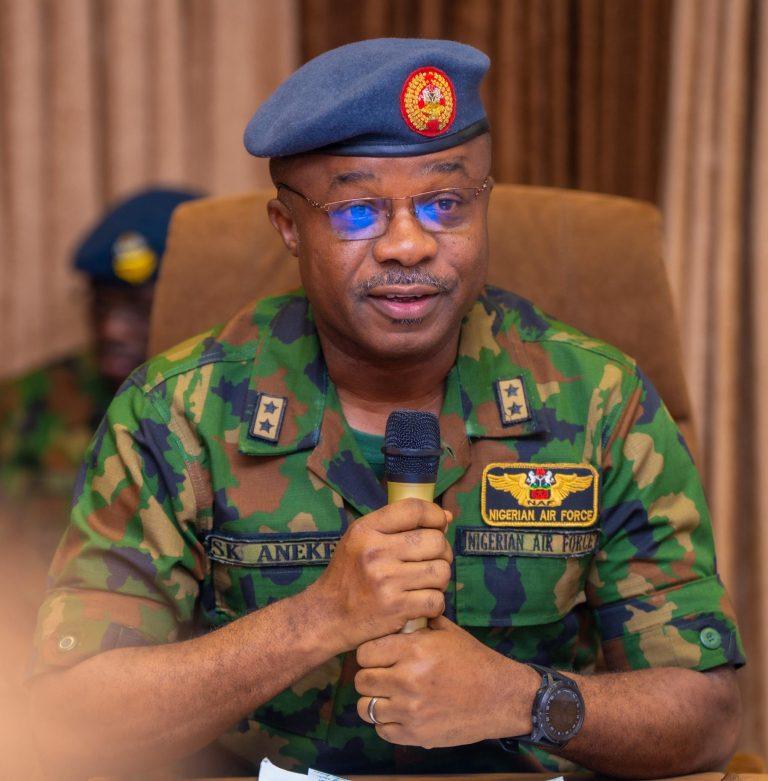
The Minister also urged media houses to report responsibly and avoid disseminating terrorist propaganda that could demoralise troops or give undue publicity to criminal elements. Permanent Secretary, Ministry of Defence, Mr Richard Pheelangwah, and Service Chiefs, including the Chief of Army Staff, Lt. Gen. Waidi Shuaibu; Chief of Naval Staff, Vice Admiral Idi Abbas; Chief of Air Staff, Air Marshal Sunday Aneke; and Chief of Defence Intelligence, Lt. Gen. Emmanuel Udieandeye, were present during the briefing.

Gen. Musa also received the Minister of Innovation, Science and Technology, Dr Kingsley Udeh, SAN, at the Ministry headquarters in Ship House, Abuja, to discuss enhanced collaboration between MDAs in support of national security.

The Minister stressed the importance of indigenous technological development, self-financed research, and sustainable energy solutions, noting that many military barracks face electricity challenges that impact operational efficiency and personnel welfare.

Dr Udeh, accompanied by the Director-Generals of the National Space Research and Development Agency (NASRDA), the Federal Institute of Industrial Research, Oshodi (FIIRO), and the Energy Commission of Nigeria, affirmed their readiness to support the Ministry of Defence.

Each agency outlined technological capabilities and research products that could be applied to defence operations. Both Ministers agreed that such partnerships would translate Nigeria’s scientific potential into practical solutions for national development and security.

Gen. Musa emphasised that stronger synergy among MDAs and integration of scientific and technological support into defence planning would enhance operational effectiveness and the welfare of personnel, providing a sustainable path to national stability.

Jigawa Government launches phase III of civil servants’ agricultural support

The Governor of Jigawa State, Umar Namadi, has launched the third phase of the Civil Servants’ Agricultural Support Programme and unveiled the FADAMA J-CARES 1.0 Compendium and Completion Report to strengthen livelihoods and economic resilience.

The initiatives involve billions of naira in investments aimed at boosting agriculture, economic recovery and community development across the state.

Governor Namadi said the programme enables civil servants to engage in farming by providing subsidised farm inputs and soft loans with flexible repayment terms.

He noted that since its launch in July 2024, the programme has supported 8,432 civil servants with over ₦3.03 billion in the first phase and 5,750 workers with nearly ₦1.26 billion in the second phase.

READ ALSO: Jigawa State Partners With India to Improve Dairy Sector

Governor Namadi added that the third phase will support about 3,000 civil servants with funding valued at over ₦1.6 billion.

This brings the total investment in the programme to more than ₦5.9 billion and the number of beneficiaries to over 17,000 across the state.

He noted that the initiative is helping to expand agricultural activities, bring more farmland under cultivation and create additional sources of income for civil servants.

The governor also highlighted measures introduced to improve transparency and efficiency, including digital registration of beneficiaries, GPS verification of farm locations and electronic tracking of farm inputs through JASCO stores.

He said the focus on dry-season rice farming is intentional, stressing that increased local rice production is key to strengthening Nigeria’s food security and reducing dependence on imports.

FADAMA JIGAWA CARES:

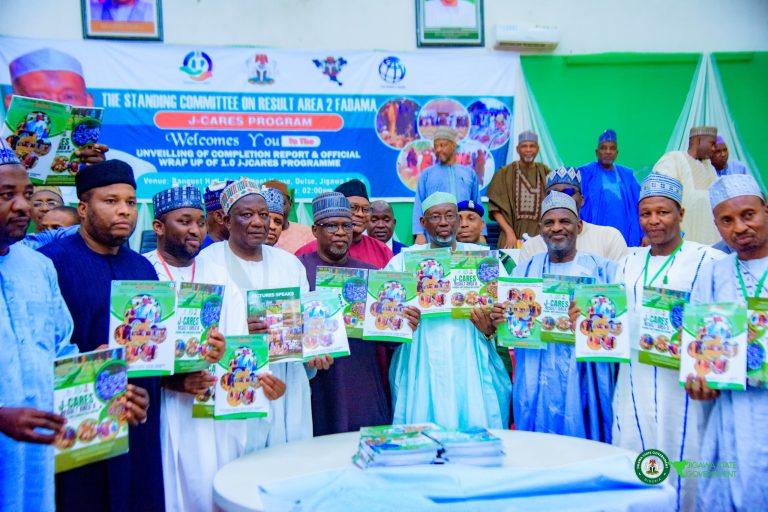
Meanwhile, at a separate event in Dutse, the governor unveiled the FADAMA J-CARES 1.0 Compendium and Completion Report, marking the official conclusion of the programme implemented by the Jigawa State Government with support from the World Bank.

The Jigawa COVID-19 Action Recovery and Economic Stimulus (J-CARES) Programme was designed to mitigate the economic effects of the COVID-19 pandemic and other shocks by supporting vulnerable households, farmers and small businesses.

Governor Namadi explained that the programme focused on three key areas: social safety nets, food security and livelihoods, and support for micro, small and medium-scale enterprises.

He disclosed that more than 47,800 beneficiaries in over 1,200 remote communities across the state benefited from the programme, covering all 287 political wards in the 27 local government areas.

The intervention involved an investment of over ₦4.6 billion and provided beneficiaries with agricultural inputs such as rice, maize, millet and sorghum seeds, as well as productive assets including processing machines, water pumps and livestock.

Nigerian Army Hosts Interfaith Iftar, Emphasises Unity

0

The Nigerian Army has reaffirmed its commitment to strengthening unity, discipline and shared institutional values across its ranks as part of broader efforts to sustain cohesion within the force.

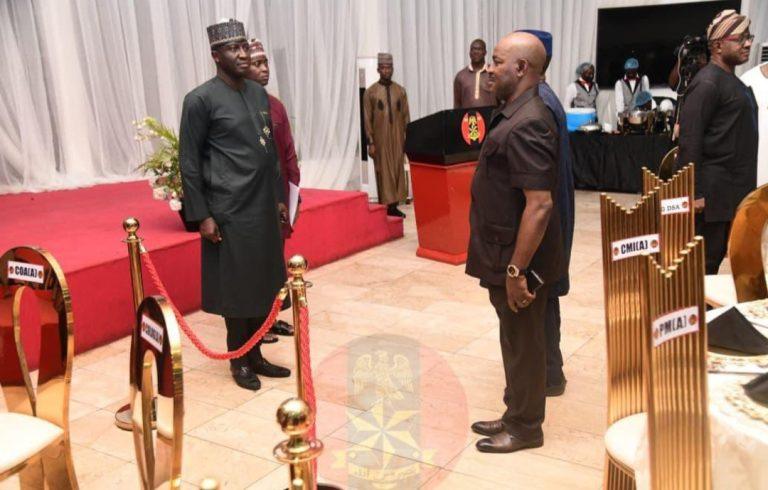
The Chief of Army Staff, Lieutenant General Waidi Shaibu, underscored this objective while hosting officers and soldiers serving in Army Headquarters Departments and Commands within Abuja to a Combined Inter-Faith Iftar at the Army Headquarters Command Officers’ Mess 1 in Asokoro.

According to a statement issued by the Acting Director of Army Public Relations, Colonel Appolonia Anele, the gathering brought together Christian and Muslim personnel for a joint breaking of fast, reflecting what military authorities described as a deliberate effort to reinforce unity and mutual understanding across religious and cultural lines within the Nigerian Army.

Addressing the personnel, Lieutenant General Shaibu noted that the rare coincidence of the Christian Lenten season and the Muslim Ramadan fasting period carries deep spiritual significance, stressing that the convergence offers important lessons in discipline, sacrifice and devotion.

He explained that Nigeria’s diversity in religion, ethnicity and culture should remain a source of collective strength rather than division, adding that the armed forces must continue to embody the values of unity and professionalism required to safeguard national stability.

The Chief of Army Staff urged officers and soldiers to draw lessons from the shared virtues reflected in both fasting traditions and translate them into their professional responsibilities, particularly in maintaining discipline, dedication and commitment to duty.

Lieutenant General Shaibu also reaffirmed the Nigerian Army’s loyalty to the President and Commander-in-Chief of the Armed Forces, President Bola Ahmed Tinubu, while acknowledging the administration’s continued support for the Armed Forces in advancing national security objectives.

He further charged personnel to remain resolute in defending Nigeria’s democratic system and ensuring citizens are able to pursue their socio-economic activities without fear, while commending troops deployed across operational theatres for their dedication and sacrifices in protecting the country.

Earlier, the Chief of Administration (Army), Major General IM Abdullahi, described the event as both historic and spiritually significant, noting that the joint observance of Ramadan and Lent reflects the values of unity, mutual respect and shared purpose that define the Nigerian Army.

He stated that the simultaneous observance of the two religious seasons symbolises the virtues upheld by both Christians and Muslims, including discipline, sacrifice, humility, compassion and charity, adding that these principles continue to reinforce the Nigerian Army’s identity as a professional institution where personnel from diverse backgrounds remain united in service to the nation.

The engagement forms part of ongoing leadership initiatives aimed at strengthening morale, reinforcing shared institutional values and sustaining cohesion within the Nigerian Army as it continues to carry out its constitutional mandate of defending the territorial integrity of Nigeria.

CAS Reaffirms NAF’s Commitment to Sustained Airpower in Northeast

0

The Chief of the Air Staff, Sunday Aneke, has reaffirmed the Nigerian Air Force’s strategic resolve to sustain decisive airpower in support of Operation HADIN KAI, as part of ongoing efforts to consolidate recent operational gains and reinforce stability across Nigeria’s insurgency-affected Northeast region.

In line with this direction, the Chief of Operations, Headquarters NAF, Air Vice Marshal PN Amadi, commenced an operational visit to NAF Base Maiduguri from 11 March 2026 on behalf of the CAS.

The visit aimed at reviewing the operational environment and evaluating the Base’s readiness to sustain high-tempo joint operations.

During the engagement, the Air Component and 105 Composite Group presented comprehensive operational and Base Defence briefings, underscoring the Base’s strong preparedness and resilience in executing assigned missions.

The CAS emphasised that, “The Nigerian Air Force remains focused on maintaining persistent air presence, delivering precision effects, and providing the critical advantage required for joint forces to sustain operational superiority across the theatre.”

As part of efforts to deepen joint synergy, Air Vice Marshal Amadi visited Headquarters Theatre Command, Operation HADIN KAI, reaffirming the NAF’s commitment to seamless integration with surface forces in achieving enduring security outcomes.

Air Marshal Aneke noted that, “Our coordinated air-ground operations continue to shape the battle space, constrain hostile elements, and reinforce the momentum required to secure lasting peace and stability in the region.”

The leadership engagements coincided with recent precision air operations in the Sambisa general area on 11 March 2026, which destroyed four hostile gun trucks and associated logistics assets.

Conducted following credible intelligence and sustained surveillance, the mission further disrupted the adversary’s operational mobility and reinforced the effectiveness of intelligence-driven airpower in supporting ongoing security efforts.

Earlier, the Air Officer Commanding Tactical Air Command, Air Vice Marshal MC Ekwueme, also visited NAF Base Maiduguri, boosting personnel morale and reaffirming the Service’s commitment to operational excellence.

These high-level engagements underscore the Nigerian Air Force’s proactive posture and steadfast dedication to safeguarding national sovereignty.

As Air Marshal Aneke affirmed, “The NAF will continue to dominate the air domain, protect civilian populations, and support joint forces in consolidating hard-won gains toward lasting national security.”

Hakeem Olajuwon Lauds AQT’s Community Initiative

Hakeem Olajuwon, the Nigerian basketball legend, has publicly commended Nigerian-American Afro-fusion artiste Abdul Quam Tadese, known professionally as AQT, for his commitment to fostering Islamic community activities and supporting initiatives that promote faith-based engagement, youth development, and unity within the Muslim community.

Hakeem Olajuwon remarked during a Ramadan lecture to members of the congregation at the Houston chapter of the Nasrul-Lahi-L-Fatih Society (NASFAT).

He acknowledged that AQT has built a reputation beyond music through community-driven initiatives focused on youth engagement, cultural exchange, and faith-based development.

AQT’s initiatives include community picnics for university students, educational basketball camps, and mentorship programs, which have attracted notable figures like DJ Tunez and streamer Enzo on Twitch. In January 2026, AQT joined the Educational Basketball initiative led by Iseolupo Adepitan, developing young African basketball talent alongside American YouTuber DDG and Nigerian-American rapper Maxo Kream.

The initiative aimed to expose young players to guidance, inspiration, and global basketball opportunities. His efforts underscore the importance of influential figures promoting meaningful social impact, and AQT’s work continues to inspire young people in Nigeria and beyond.


ThisDay