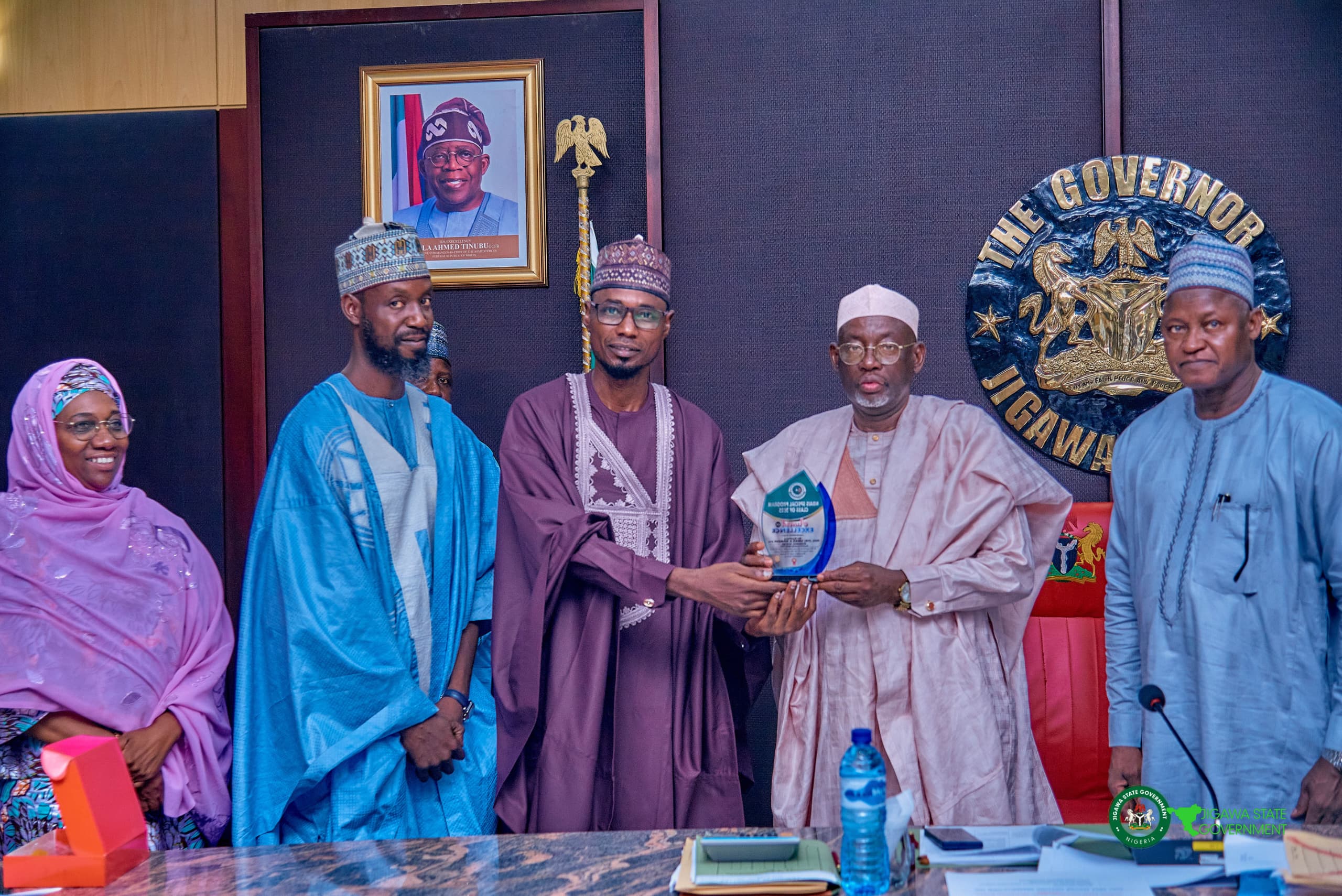
The Jigawa State Government has recorded a significant breakthrough in its education reform efforts, with 96 percent of participants in a special Tsangaya programme successfully earning nationally recognised certificates.
The six-month JISTEB/NBAIS Special Programme, implemented by the Jigawa State Tsangaya Education Board in collaboration with the National Board for Arabic and Islamic Studies has trained 150 people across study centres in Dutse, Hadejia, and Gumel.
Participants underwent intensive training in nine subjects, including English Language, Arabic, Islamic Studies, Mathematics, and Computer Studies, under a structured system aimed at blending Islamic and conventional education.
Governor Umar Namadi, who received the programme report during a monthly sector meeting, described the outcome as ‘a landmark achievement in the state’s education sector.’
READ ALSO: Jigawa Governor Prioritises Education, Unveils Major Reforms
He expressed satisfaction with the high success rate, noting that the programme has demonstrated the vast potential within the Tsangaya system when properly harnessed.
The Governor emphasised that despite having no formal primary education, most participants successfully passed examinations comparable to secondary school standards within just six months.
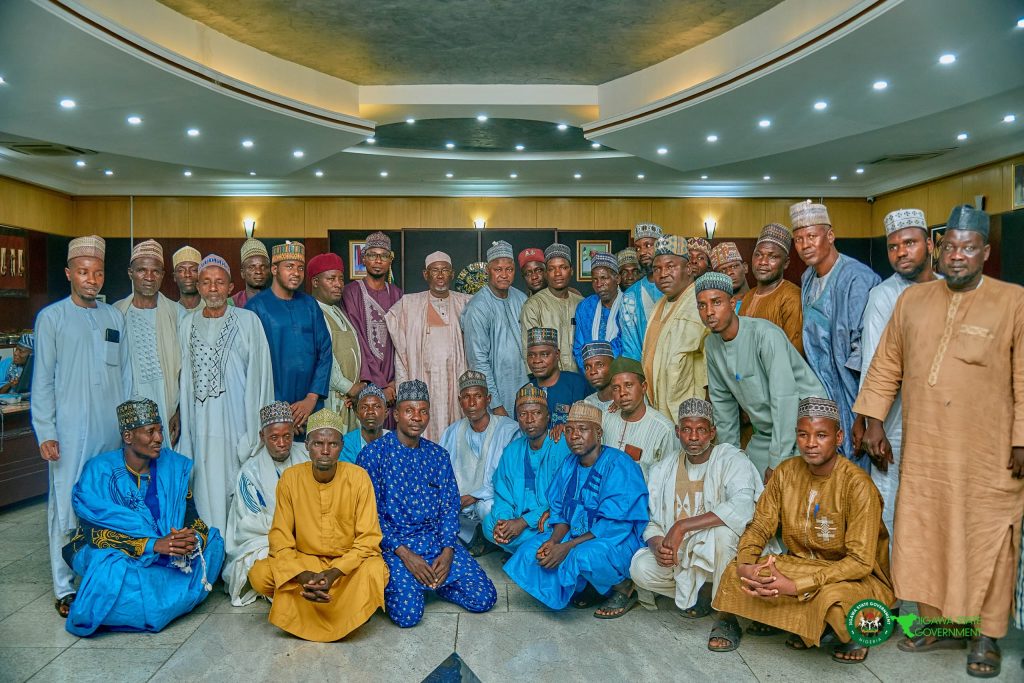
Governor Namadi assured them that the initiative would be sustained and expanded, citing its long-term benefits for education, social development and employment opportunities.
He commended facilitators, coordinators, and the Tsangaya Education Board for their collective efforts in ensuring the programme’s success.
The report attributed the achievement to strong stakeholder engagement, effective screening processes, a well-structured curriculum, provision of learning materials and accommodation, as well as performance-based incentives for both participants and instructors.