


Kano State Government has approved a record ₦1.47 trillion budget for 2026, signaling an aggressive expansion drive anchored on infrastructure renewal, education, healthcare and inclusive growth.
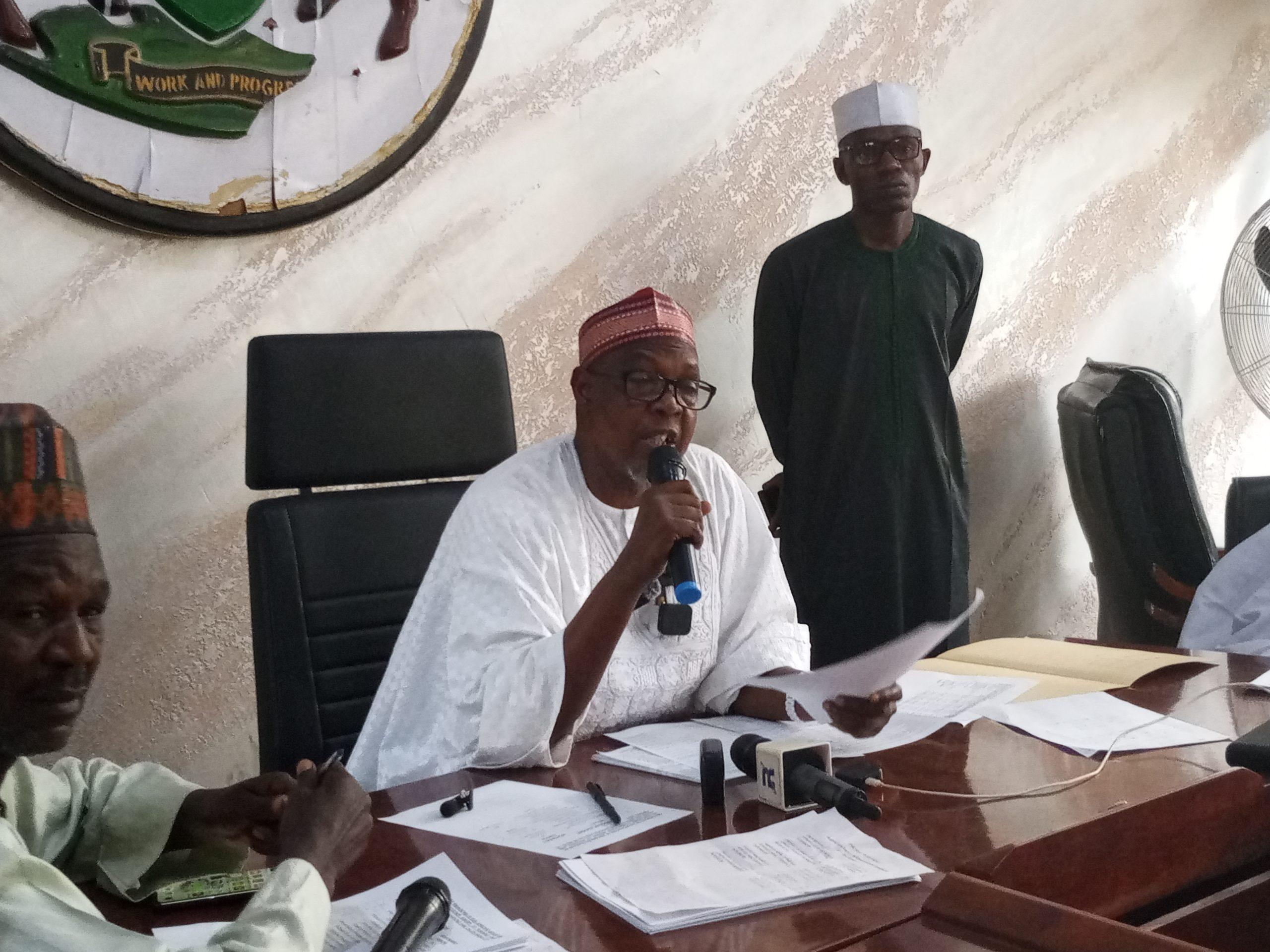
While unveiling the breakdown at a media briefing in Kano State, the Commissioner for Planning and Budget, Musa Sulaiman Shanono, said the appropriation, christened the “Budget of Infrastructure, Inclusive Growth and Sustainable Development”, is designed to consolidate reforms and accelerate socio-economic transformation across the state.
The budget, passed by the Kano State House of Assembly on December 31, 2025 and signed into law by Governor Abba Kabir Yusuf on January 1, 2026, stands at ₦1,477,829,666,130.71. It is ₦109.7 billion higher than the initial proposal submitted in November, representing a 7.42 percent increase after legislative review.
Revenue Outlook Swells by 70%
The state projects ₦1.048 trillion in recurrent revenue for 2026, comprising ₦138.4 billion in Internally Generated Revenue (IGR) and ₦909.9 billion from Federation Account allocations, including statutory revenue and VAT.
The recurrent revenue projection marks a 70 percent increase over the 2025 estimate, while IGR alone is expected to grow by 61 percent.
The government attributes the surge to institutional reforms focused on transparency, efficiency and fiscal discipline.
Capital receipts are pegged at ₦327.19 billion, with an additional treasury opening balance of ₦102.26 billion.
Capital Projects Take 70% Share
In a bold development push, the administration retained a 70/30 capital-to-recurrent expenditure ratio.
Capital spending accounts for ₦1.048 trillion, while recurrent expenditure stands at ₦429.7 billion.
Overall, the 2026 budget exceeds the 2025 figure by ₦758.07 billion, reflecting a 51 percent year-on-year increase, one of the most significant spending expansions in the state’s history.
Education Leads, Beats Global Benchmark
Education received the largest allocation at ₦432.4 billion, representing 29.4 percent of the total budget, surpassing the 26 percent benchmark recommended by UNESCO.
The allocation will fund free education programmes, strengthen bilingual and special schools, and improve teaching and learning outcomes across the state among others.
Health and Infrastructure
Healthcare is allocated ₦214.8 billion, or 15.04 percent of the total budget, reflecting efforts to enhance service delivery in one of Nigeria’s most populous states.
Infrastructure development will gulp ₦350.7 billion (23.73 percent), targeting road construction, project completion and other large-scale investments aimed at boosting investor confidence and economic productivity.
Governance, Agriculture and Social Investment
The governance and service delivery sector is set to receive ₦249.4 billion for institutional strengthening, empowerment initiatives and economic expansion programmes, including the Kano Economic City project.
Agriculture has been allocated ₦26.36 billion to support food security and agro-value chain development, while ₦64 billion is earmarked for water supply, rural access and community development projects.
The transport sector will receive ₦14.2 billion to improve mobility and ease the movement of goods and passengers.
Women, youth and persons with special needs are allocated ₦17.13 billion for empowerment and social protection programmes.
Manufacturing, commerce and tourism will get ₦16.9 billion to stimulate business growth and job creation.
Additionally, ₦1.01 billion is set aside for the ongoing Ramadan Feeding Programme, while ₦1.12 billion will fund emergency relief and rehabilitation efforts.
With its heavy tilt toward capital investment and human development, the 2026 appropriation signals Kano’s ambition to position itself as a leading subnational growth hub in Nigeria, deepening reforms while expanding opportunities for its rapidly growing population.