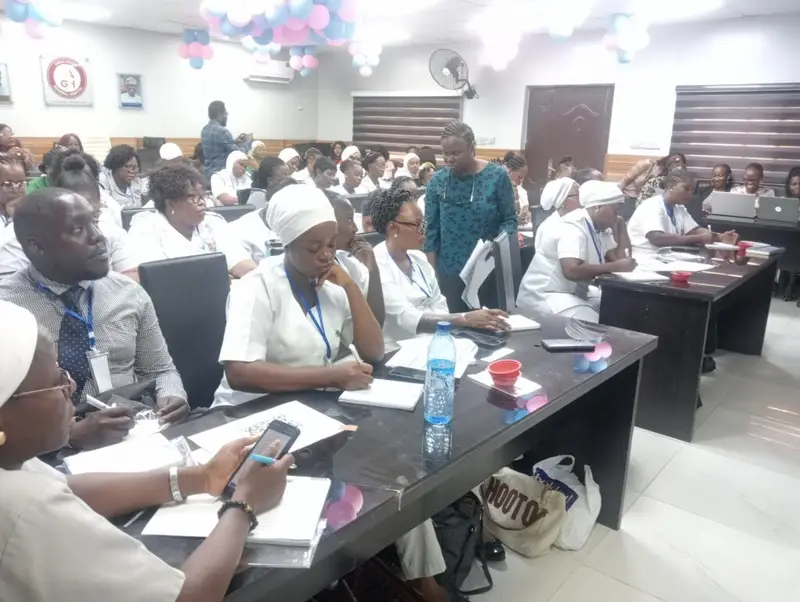
Lagos State Health District One (LSHD1) has launched an intensive clinical immersion programme to address weak referral links blamed for preventable maternal and neonatal deaths.
Permanent Secretary, LSHD1, Dr Sola Pitan said the initiative focused on timely referrals and better care coordination between Primary Health Centres (PHCs) and secondary hospitals.
Read more: Botswana Reviews National Health Insurance Proposal
“Prompt referrals for pregnant women with complications will significantly reduce maternal and neonatal deaths when the need arises,” Pitan said during the training at Orile Agege General Hospital.
He said the programme would equip PHC workers to identify early warning signs, understand their limitations, and refer patients promptly for specialised care.
According to a report by the World Health Organisation (WHO), 700 women died daily from preventable pregnancy-related causes in 2023, with deaths occurring almost every two minutes.
“Nigeria ranks among countries with the highest maternal mortality globally,” Pitan said, stressing the urgency of strengthening referral systems.
“This training equips PHC workers with practical skills and updated knowledge to handle emergencies and strengthen two-way referrals to improve care,” he said.
He added that workers would communicate directly with secondary facilities before referrals, ensuring preparedness and a faster emergency response.
“Our target is zero maternal and infant deaths through improved communication, better patient management, and timely response,” Pitan said.
Acxordijg to hm, the programme runs across three tracks, including safe childbirth, child health, and integrated maternal and child health immersion training.
It is being organised in three hubs—Orile Agege, Alimosho and Ifako-Ijaiye General Hospitals—covering 64 PHCs across 10 local government areas.
Medical Director of Orile Agege Hospital, Dr Taiwo Oluyemi said no woman should die while giving life, underscoring the need to strengthen frontline workers and referral systems.
“It is a tragedy when a woman dies in childbirth. This training addresses challenges and will save lives during emergencies,” Oluyemi said.
She urged participants to sharpen their skills, recognise their limitations, and make timely referrals to improve patient outcomes.
Director of Medical Services and Disease Control, LSHD, Dr Adeyanju Oyetoyan stressed the importance of clinical vigilance, especially in managing labour and preventing postpartum haemorrhage.
“Watch for vaginal bleeding, sudden blood pressure drops, dizziness, or weakness, and act promptly or refer when necessary,” he advised.
NAN