


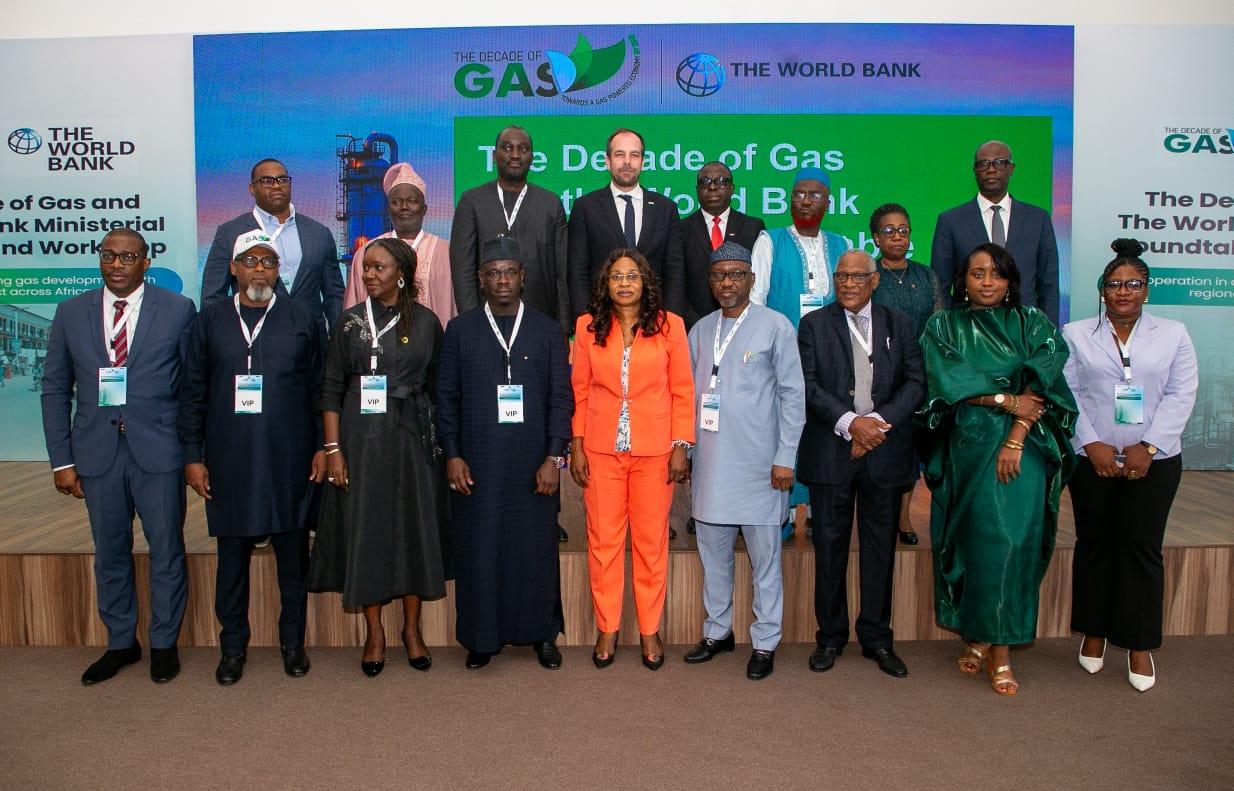
Abuja, Nigeria’s capital, became the hub of Africa’s energy dialogue from March 30–31, 2026, as Ministers, development partners, and industry leaders gathered for a high-level roundtable to advance gas cooperation across the continent.
Held under the theme “Cooperation in Advancing Gas Development with Regional Impact Across Africa,” the meeting explored practical pathways to transform Africa’s vast gas resources into improved energy access, economic growth, and better living standards.
The roundtable, hosted by the Minister of State for Petroleum Resources (Gas), Obongemem Ekperikpe Ekpo, underscored Nigeria’s growing leadership in continental energy coordination, coming shortly after his emergence as President of the 2026 Gas Exporting Countries Forum (GECF) Ministerial Meeting.
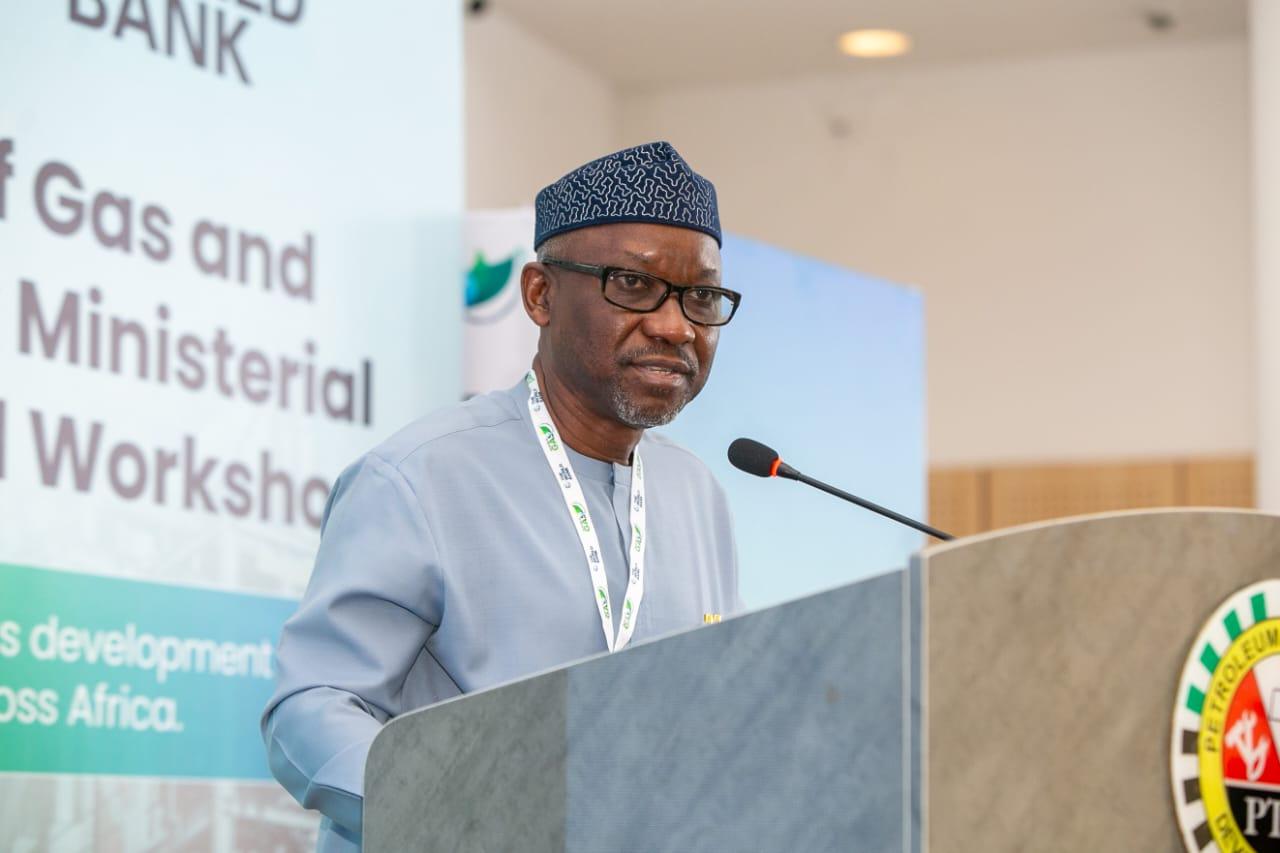
Co-hosted by Nigeria’s Decade of Gas programme and the World Bank, the gathering highlighted both the opportunities and challenges within Africa’s energy landscape. Despite over 600 trillion cubic feet of proven gas reserves, more than 600 million people across the continent still lack access to electricity, while millions rely on traditional fuels for cooking.
Addressing participants, Ekpo stressed the urgency of collective action, noting that Africa’s energy future depends not on resource abundance, but on coordination, infrastructure, and regional collaboration.
“Africa’s energy future will not be determined by the abundance of our resources, but by our ability to act together,” he said.
He called for a shift from fragmented national strategies to integrated regional systems driven by transparent pricing, demand aggregation, and efficient cross-border trade.
Nigeria’s role as host reflects its strategic position in Africa’s gas sector, with an estimated 210.54 trillion cubic feet of proven reserves—the largest on the continent. Through its Decade of Gas initiative, the country aims to ‘scale production and expand domestic utilisation, particularly for power generation and clean cooking.’
The initiative also served as a platform for broader continental dialogue, with participation from countries such as Senegal. Representing his country, Minister of Energy, Petroleum and Mines, Mr Birame Soulèye Diop, emphasised the importance of shared learning and cooperation.
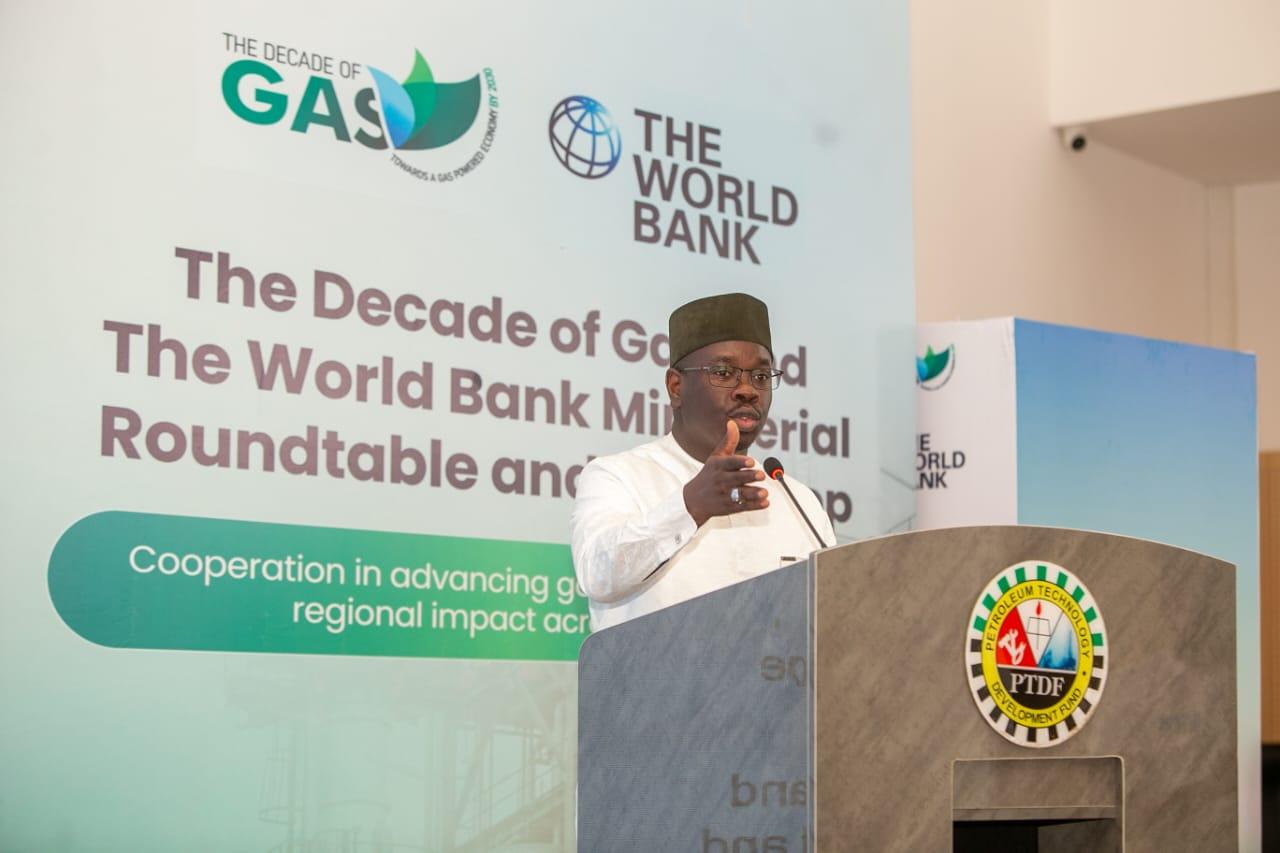
Diop said; “We need to exchange ideas, share our experiences, and learn from the mistakes we’ve made,” highlighting the need for joint efforts in addressing common energy challenges.
He also pointed to the Nigeria-Morocco gas pipeline as a key example of regional collaboration aimed at ‘strengthening integrated markets and shared infrastructure.’
The World Bank’s participation further underscored the importance of financing and policy support.
Country Director Mathew Verghis, represented by Justin Beleoken, reaffirmed “the institution’s commitment to supporting African countries through funding, technical expertise, and investment facilitation.”
The Bank highlighted the roles of its private sector arm, the International Finance Corporation, and the Multilateral Investment Guarantee Agency in mobilising investment and providing risk guarantees for large-scale energy projects.
Also speaking, the Coordinating Director of the Decade of Gas Programme, Ed Ubong outlined key priorities including increasing gas production and expanding access to clean cooking solutions.
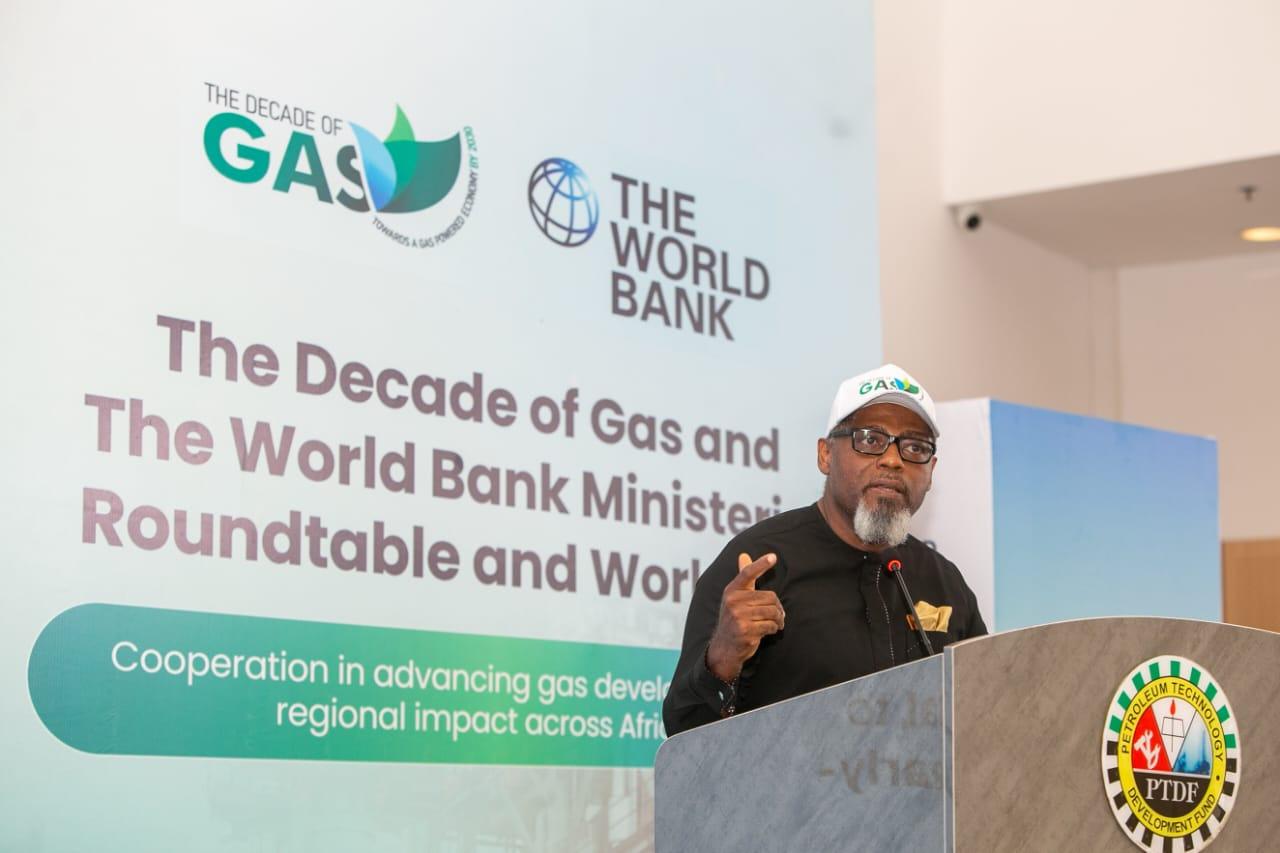
“We are beginning to ask how we can work on a regional basis to increase collaboration around gas for Africans,” he said.
Beyond infrastructure and investment, discussions also focused on inclusion. Eleanor Okubor of McKinsey & Company emphasised the need to integrate women and small businesses into the gas value chain, particularly in last-mile distribution.
By the close of the two-day meeting, participants identified priority areas for cooperation, including regulatory harmonisation, infrastructure development, and mechanisms to drive cross-border projects.
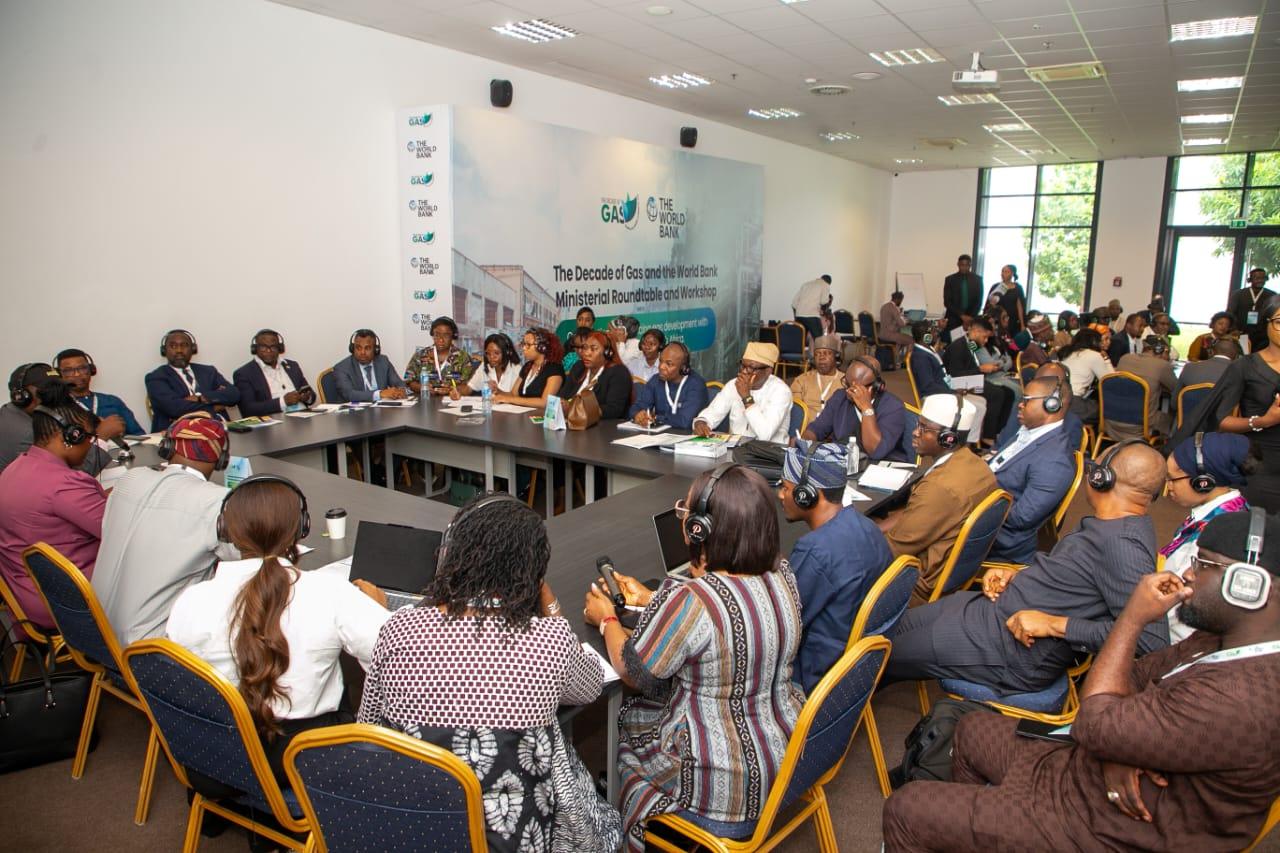
The Abuja roundtable marks a significant step toward building an integrated African gas market, with Nigeria playing a central convening role.
Stakeholders are now focused on translating dialogue into action to ensure that Africa’s gas resources drive industrialisation, expand energy access, and support sustainable development across the continent.