


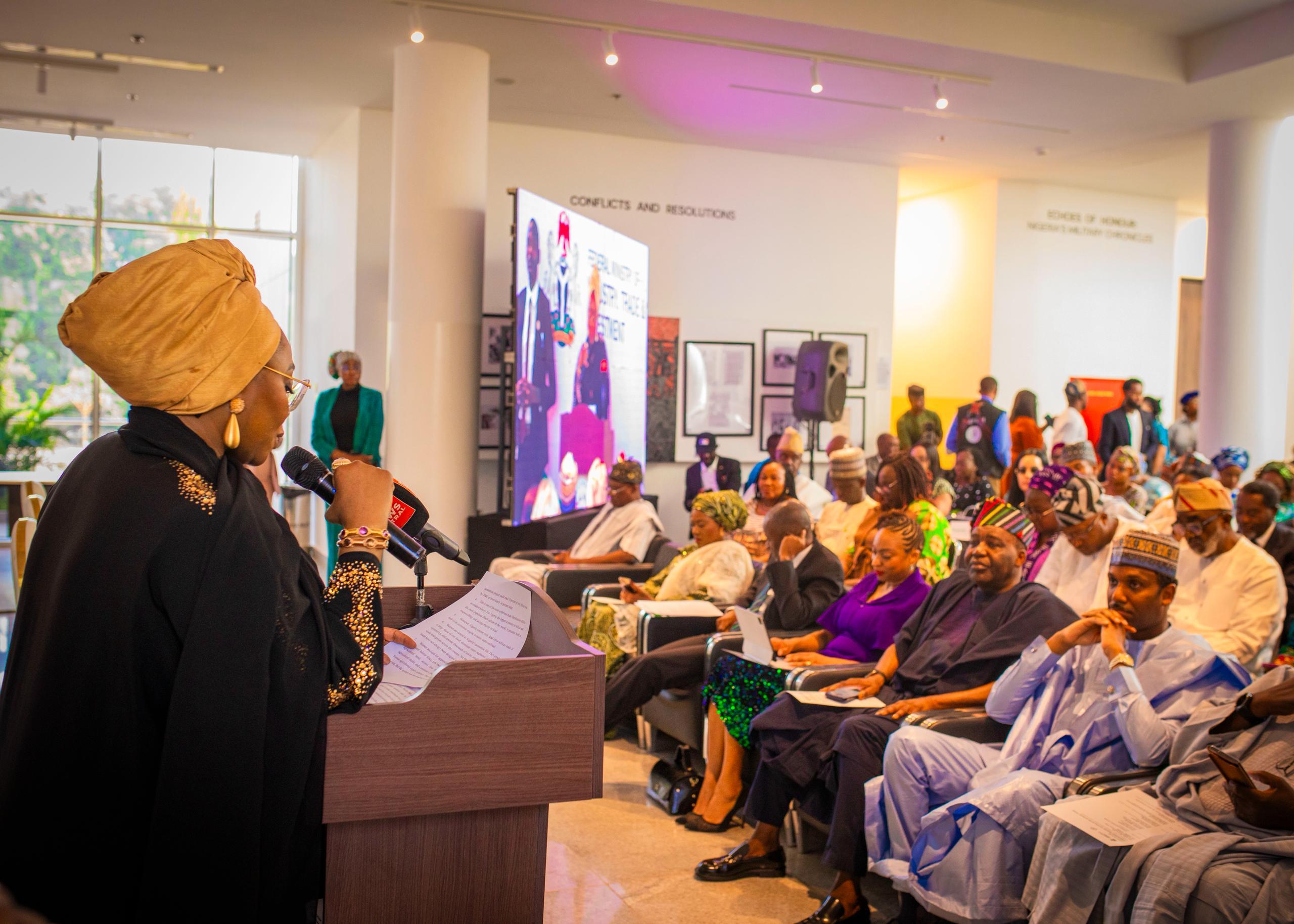
Nigeria’s Minister of Women Affairs and Social Development, Hajiya Imaan Sulaiman-Ibrahim has emphasised that Nigerian women are key to unlocking the country’s full potential in Africa’s booming trade landscape, warning that the nation cannot lead without their active participation.
Addressing a high-level colloquium on “Positioning Nigeria to Lead Intra-African Trade” in Abuja, the Minister highlighted the transformative power of the African Continental Free Trade Area (AfCFTA) for women-owned businesses and Nigeria’s broader economic competitiveness.
Sulaiman-Ibrahim said; “The AfCFTA is no longer a promise; it is a market of 1.4 billion people, with a combined GDP exceeding $3 trillion, and intra-African trade projected to reach 35 percent of total African trade by 2040, up from 16 percent today.”
Despite these opportunities, she stressed that Nigeria cannot fully realise its leadership potential if women remain marginalised in formal trade systems.
“Nigeria cannot truly lead intra-African trade if half of its economic engine remains under-utilised,” Sulaiman-Ibrahim said.
The Minister highlighted women’s vital role in Nigeria’s economy, particularly in agriculture and informal commerce, noting structural barriers that limit access to resources and markets.
“Women make up roughly 70 percent of Nigeria’s agricultural workforce but own less than 14 percent of agricultural land and access under 10 percent of formal agricultural credit,” Sulaiman-Ibrahim said.
Emphasising the broader economic impact, the Minister said; “Supporting women’s participation in trade is not merely social equity; it is a strategic economic imperative.”
Linking her remarks to President Bola Ahmed Tinubu’s vision, Sulaiman-Ibrahim said inclusive economic participation is central to the Renewed Hope Agenda, ensuring women are fully integrated into national and continental trade systems.
She also highlighted the Ministry’s initiatives, including the Nigeria for Women Programme, which organises women into structured groups to access savings, microcredit, and business formalisation, preparing them for larger markets created by AfCFTA.
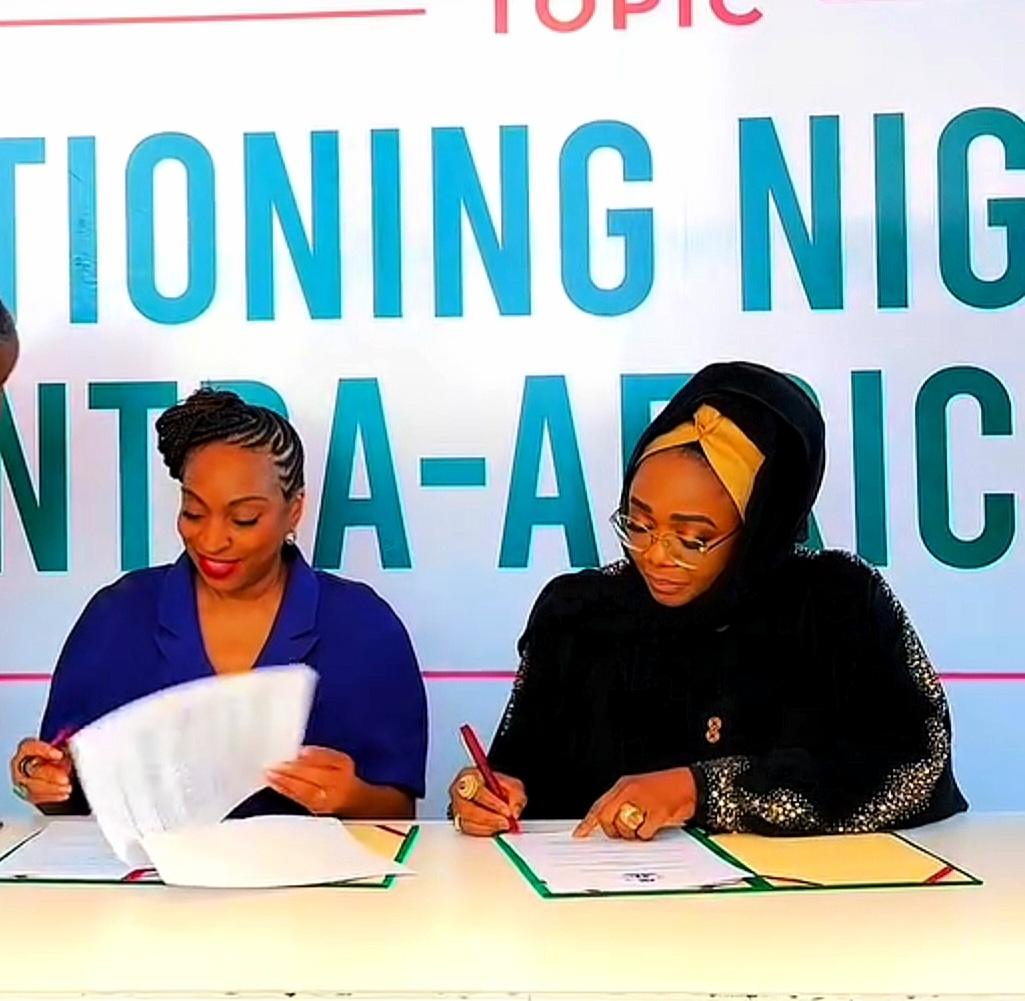
The Minister further noted the recent Memorandum of Understanding between the Federal Ministry of Women Affairs and the Ministry of Industry, Trade and Investment, aimed at expanding access to finance for export-ready women entrepreneurs.
“This MOU is not ceremonial; it is a structured, accountable commitment,” she said.
Sulaiman-Ibrahim added that empowering Nigerian women in trade, production, and innovation would enable the country not only to participate in Africa’s evolving trade system but also to shape it.
With improved access to finance, markets, and capacity-building opportunities under AfCFTA, women entrepreneurs are set to play a significant role in boosting Nigeria’s trade performance and driving broader economic growth.
READ ALSO: Nigeria Positions Women Entrepreneurs For AfCFTA Trade Expansion
Stakeholders note that as Nigeria aims to expand its GDP to $1 trillion, empowering women across agriculture, manufacturing, and services could significantly strengthen the country’s productive base and contribute meaningfully to this economic target.