


The National Counter-Terrorism Centre (NCTC) in Abuja on Monday hosted a high-level gathering of national and international stakeholders as Nigeria moved to finalise its new National Counter-Terrorism Strategy (NACTEST) 2025.
The event marked the final validation workshop — a key milestone in a year-long process to reshape the country’s counter-terrorism roadmap in line with global best practices and emerging threats.
In a session led by the Coordinator of the National Counter-Terrorism Centre, Office of the National Security Adviser, Major General Adamu Laka, urged participants to view the exercise not just as a document review, but as a shared commitment to national security, peacebuilding, and inclusive governance.
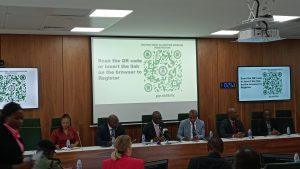
“This is not simply about reviewing a document. It is about endorsing a shared vision that will guide our counter-terrorism efforts through the next review cycle.” Laka said.
The workshop brought together representatives from the Office of the National Security Adviser, the diplomatic corps, the United Nations, the European Union, civil society organisations, security agencies, academia, traditional leaders, and the private sector.
The draft strategy, under revision since February 2025, has gone through multiple stages: a stakeholders’ meeting in February, a technical committee session in May, a two-day workshop in July, and an in-depth council review from July 12 to August 1.
The final validation paves the way for editorial refinement and formal adoption.

Counter-Narratives and Resilience
The strategy places strong emphasis on counter-narratives, strategic communication, and community resilience. Laka called on international partners to ensure global alignment, stating: “We must not overlook the importance of narrative.”
Director of Policy and Strategy, Commodore Ahmad Madawaki, highlighted the dual pillars of the approach: the whole-of-government model for interagency coordination, and the whole-of-society model for including grassroots voices, civil society, faith leaders, and the private sector.
“We recognize the importance of grassroots involvement,” Madawaki said. “That is why local governments and traditional authorities were actively engaged, especially during the final phases.”
Gender-Inclusive and Legally Aligned
The revised framework aligns with international human rights norms, gender inclusion, and UN guidelines on preventing and countering violent extremism, while harmonizing with Nigeria’s anti-terrorism laws.
“The revised strategy must meet all legal and international standards, while making the roles and responsibilities of MDAs crystal clear,” Madawaki stressed.
As the validation concluded, participants were urged to offer constructive feedback to ensure the final document reflects Nigeria’s security priorities and sociopolitical realities.
“The work we do here today will resonate beyond this room,” Madawaki said. “This is a strategy by Nigerians, for Nigerians—with the support of the world.”
The new strategy is expected to be officially launched before the end of the fourth quarter of 2025, setting a renewed tone for Nigeria’s counter-terrorism posture amid evolving global and regional threats.
PIAK