


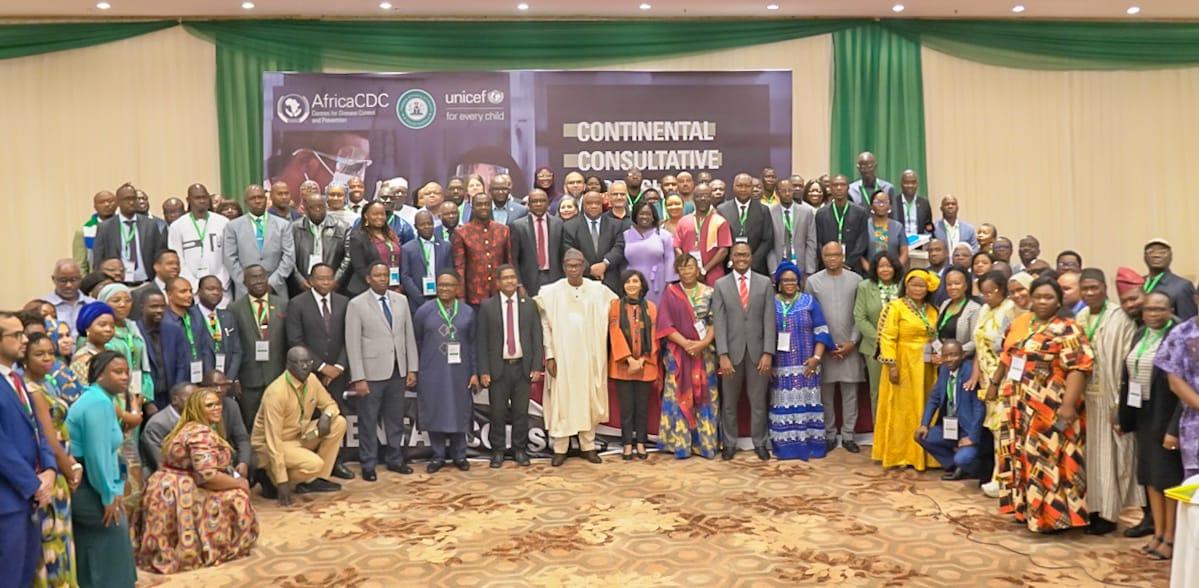
Nigeria’s Minister of State for Health and Social Welfare, Dr Iziaq Salako, has urged African nations to unite around a common vision to strengthen community health systems, centred on the deployment and institutionalisation of Community Health Workers (CHWs).
Delivering the keynote address at the Continental Consultation on Community Health held in Abuja, Dr Salako warmly welcomed delegates from across the continent, reaffirming Nigeria’s unwavering commitment to primary healthcare as the foundation of its national health system.
The consultation focused on the validation of the 2024 Community Health Landscape Survey, refinement of the CHW Strategy, and co-creation of a Continental Community Health Scorecard. These efforts form part of the African Union’s (AU) broader vision to deploy 2 million CHWs by 2030.
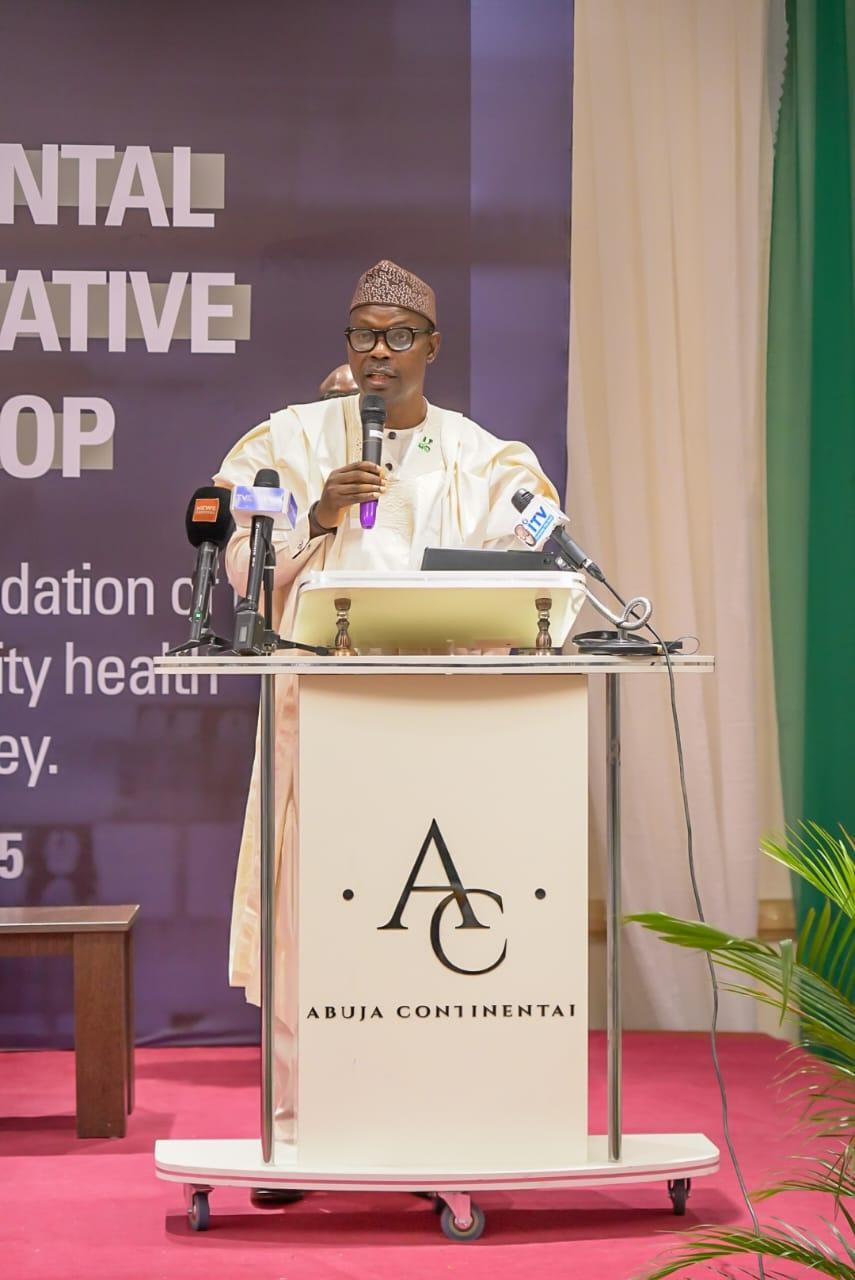
Speaking on behalf of President Bola Ahmed Tinubu, the AU Champion for Human Resources for Health and Community Health Delivery Partnership, Dr Salako praised the President’s leadership as instrumental in driving Nigeria’s health sector transformation under the Renewed Hope Agenda and the Health Sector Renewal Investment Initiative.
“Our community health workers are not just an extension of the health workforce; they are the first line of defence, the custodians of health education, and the heartbeat of preventive care,” Dr Salako stated.
Read Also: Civil Society Organisations Urge Government to Prioritise Immunisation Financing
“They were first responders during the COVID-19 pandemic, mobilising for immunisation, health education, surveillance, and reaching the unreached. Their institutionalisation, optimal deployment, and remuneration must be non-negotiable.”
Dr Salako affirmed Nigeria’s full alignment with the AU’s vision, noting that the country is already implementing key initiatives placing CHWs at the centre, including:
- The Basic Health Care Provision Fund (BHCPF)
- The One Primary Health Centre per Ward policy
- Expansion of the National Health Insurance Scheme (NHIS)
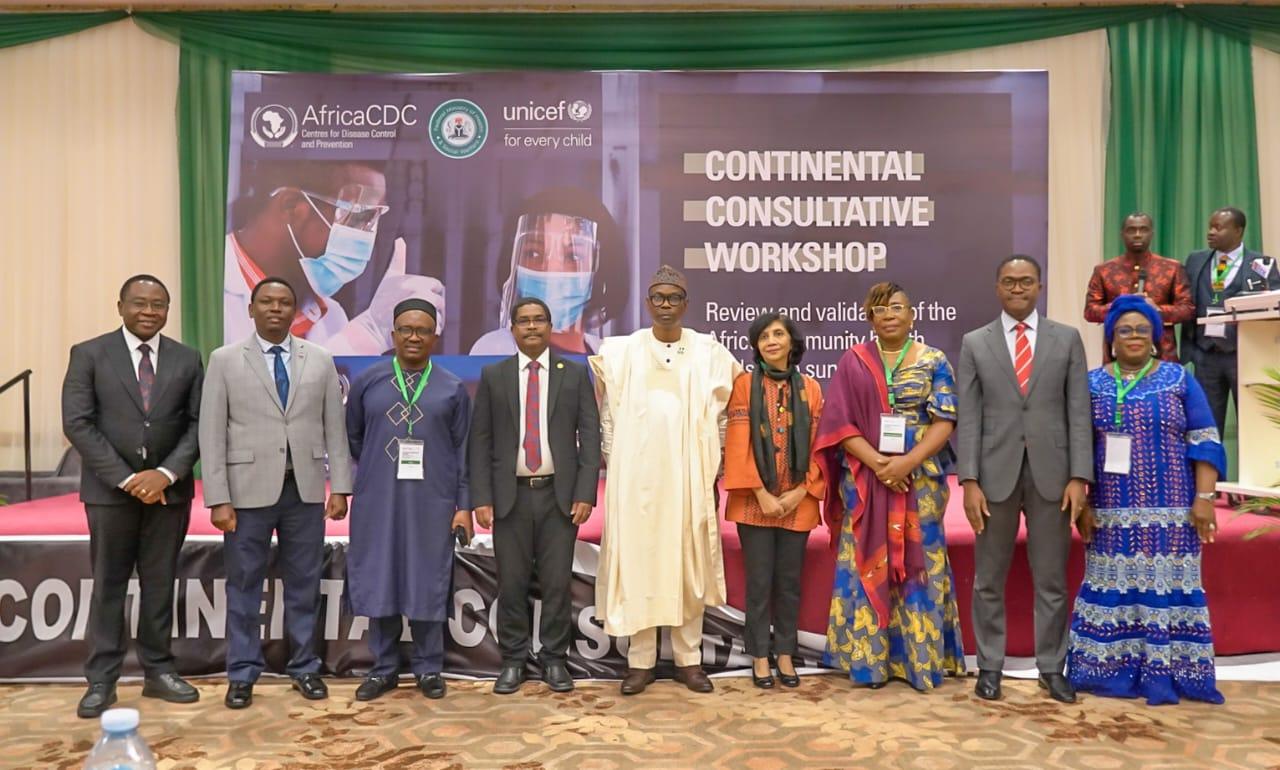
He noted significant progress, including a tripling in the number of newly trained CHWs over the past three years, the integration of digital health platforms for service delivery and data collection, and improved financing through domestic budget allocations and innovative basket fund mechanisms.
Calling on participants to turn research into action, Dr Salako said:
“Let us not stop at reports and recommendations. Let us institutionalise change, build political momentum, and act on data.”
He emphasised the need to leverage the outcomes of the consultation to strengthen the AU Champion’s Work plan on Human Resources for Health, through clearly defined milestones, high-level advocacy, and enhanced partner coordination.
Dr Salako commended the African Union Commission, Africa CDC, UNICEF, and all technical partners for their leadership in organising the consultation.
He also recognised the contributions of AU member states to the 2024 survey, describing it as an “unprecedented evidence base to accelerate community health progress across the continent.”
“As AU Champion and as a nation committed to Universal Health Coverage, Nigeria will continue to lead by example, promote peer learning, and work collaboratively with other member states to meet the 2 million CHW target by 2030,” he added.
He then formally declared the consultation open, wishing delegates productive deliberations and transformative outcomes to shape the future of community health across Africa.