The Oyo State Government has completed 88.02 kilometres as part of its commitment to curbing rural–urban migration and improving access to farms and agricultural markets across the state.
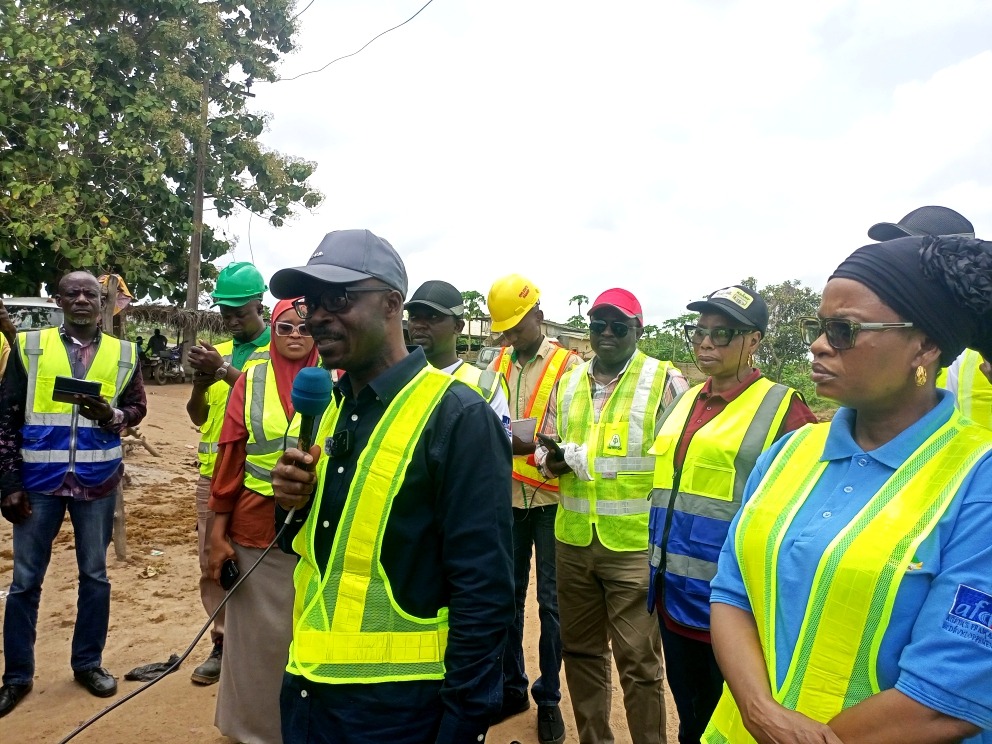
The completed projects, which form part of the first phase of RAAMP, were inspected in Akinyele, Ido, Oluyole, and Ona Ara Local Government Areas by the Commissioner for Agriculture and Rural Development, Barr. Olasunkanmi Olaleye, alongside his team.
Speaking after the inspection, Olaleye said the programme is designed to improve rural connectivity and strengthen the framework for sustainable road development, maintenance, and administration. He added that it seeks to link farming communities to economic opportunities and reduce the cost of food for consumers.
The Commissioner noted that the project, a collaboration between the Oyo State Government and the World Bank, was aimed at addressing a long-standing challenge faced by rural farmers—moving produce to markets and urban centres without incurring losses due to poor road conditions.
He said, “We are doing two things: rural roads and markets. For rural roads, we have completed surface dressing on the road from Alako Idi-Iya to Batake to Ijaye Farm Settlement. That is about 36.4 kilometres. We also have the road from Adebayo-Alata to Aba Oje, which is almost completed. All the rural roads under phase one total about 88.02 kilometres.
“Other ongoing roads include Fasola Farm Settlement, Interchange/Oloko Road in Oyo, Ikere George Dam Road in Iseyin, Tewure-Ila Junction in Oriire Local Government in Ogbomoso, and the Okudi–Oyada Road in Atisbo Local Government in Saki.”
The Commissioner further disclosed that three markets are included in the project. He said Akanran Market and Oja Oba Market in Igboora, Ibarapa Central Local Government Area, have been completed, while Oja Agbe Market in Iseyin is nearing completion.
He stated, “The whole idea is to ensure rural communities have access to transport their produce to the market and consumers have access to fresh farm produce. Ultimately, it supports growth for farmers, consumers, and the entire community.”
Responding to questions from journalists, Olaleye addressed the allocation of shops at the markets, explaining that a committee comprising local government officials, market leaders, RAAMP representatives, and community members would be set up to ensure fair allocation, maintenance, and sustainability.
On maintenance, he said: “We have a maintenance plan with a committee that will manage the infrastructure. The local government, market leaders, RAAMP committee, and the community will all work together to ensure proper maintenance.”
He also revealed that the total cost of the 88.02-kilometre road project is ₦16.273 billion.
The Road Project Supervisor, Engr Atilade Otunla, explained that the roads were constructed using surface dressing technology rather than asphalt, noting that it is cheaper, faster to execute, and durable when properly maintained.
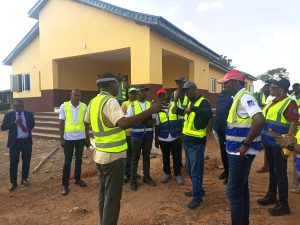
The Supervising Consultant, Engr Basit Opeloyeru, gave details of the facilities at the newly completed Aare Alasa Agbejoda Market. He said it includes 500 metres of internal asphalt roads, a 60m by 30m warehouse, an administrative block, two blocks of lock-up shops containing 40 rooms, six blocks of open sheds (10 per block), one large open shed, and two toilet blocks for males, females, and persons with disabilities.
Residents of the benefiting communities commended Governor Seyi Makinde for what they described as a commendable intervention aimed at improving livelihoods and easing economic activities.