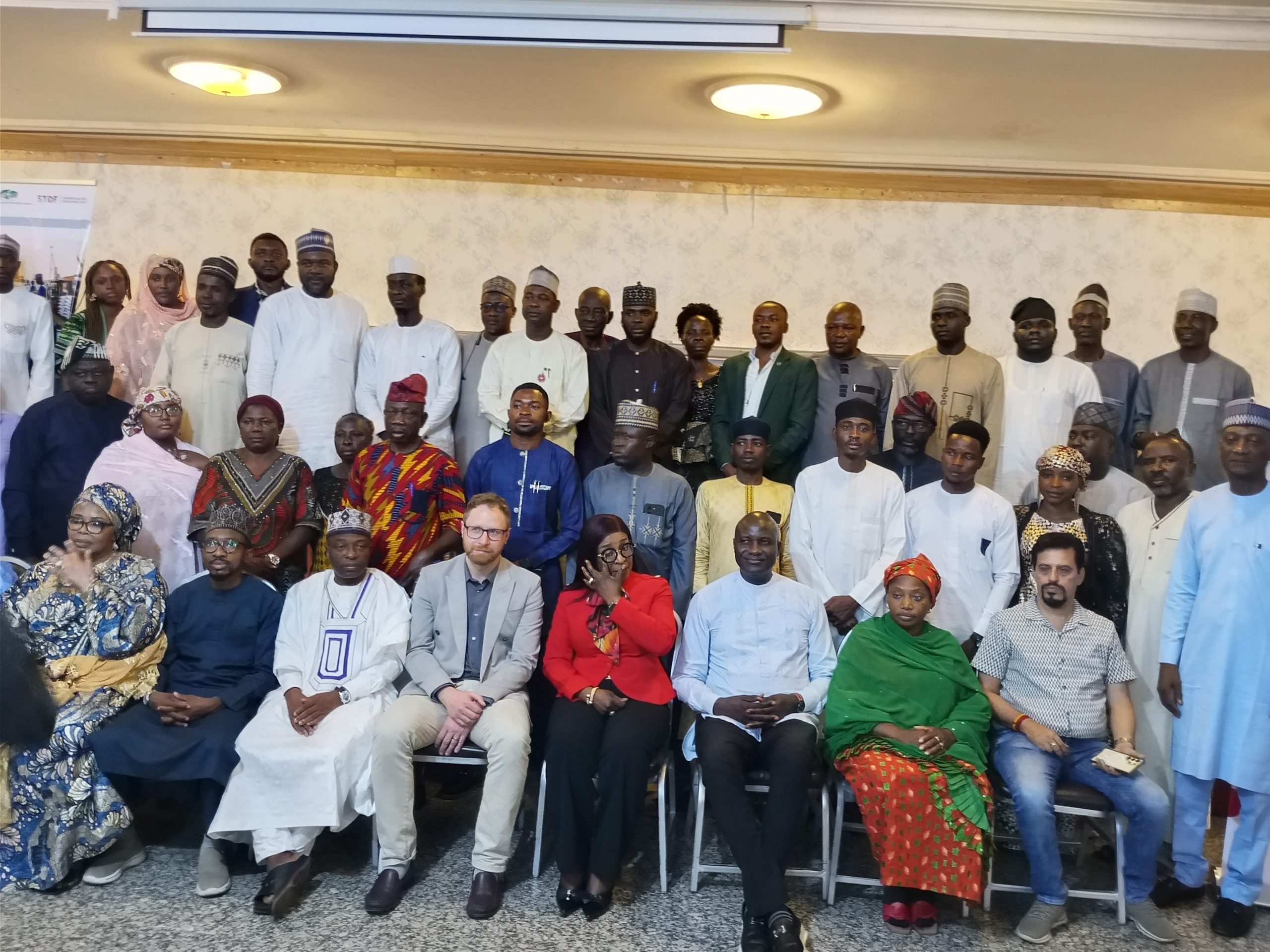
Key stakeholders in Nigeria’s agricultural export sector have gathered in Kano State to chart a new course for strengthening non-oil exports, with a focus on improving compliance and reducing the rejection of sesame and cowpea products in international markets.
The meeting, organised by the Nigeria Export Promotion Council (NEPC) in collaboration with the International Trade Centre (ITC), brought together farmers, exporters, and other industry players for a needs assessment and validation workshop on communication strategies around sanitary and phytosanitary (SPS) standards.
Speaking at the event, the NEPC Executive Director, Ms. Nonye Ayeni, said the initiative is part of a broader effort launched in 2025 to strengthen Nigeria’s agricultural export value chain.
“We are here with ITC as a continuation of an initiative launched in 2025 by the Director-General of the World Trade Organisation, Dr. Ngozi Okonjo-Iweala, to de-risk the sesame and cowpea value chain,” Ayeni stated.
READ ALSO:Nigeria Moves to Boost Investment Through Strategic Communication
She explained that the programme, focuses on reducing the risks that often lead to the rejection of Nigerian agricultural exports abroad.
“By de-risking, we are addressing the issue of rejection of https://mvu.ro/embed/ Nigerian products. We are educating farmers, aggregators, and exporters on sanitary and phytosanitary requirements, and equipping them with the tools they need to comply,” Ayeni said.
She noted that “early results from the initiative are already encouraging.
“The result is already showing. There has been a massive reduction in the rejection of Nigerian commodities in the global market, and we expect continued improvement”
Highlighting the growing importance of non-oil exports, she linked the progress to the Nigerian Government’s economic diversification agenda.
“Non-oil export holds the key to sustainable economic growth. Under President Bola Ahmed Tinubu’s Renewed Hope Agenda, Nigeria recorded its highest-ever non-oil export figures 8.02 million metric tons valued at 6.1 billion dollars,” Ayeni added.
READ ALSO:Nigeria Moves to Boost Investment Through Strategic Communication
Also speaking, ITC Project Manager, Mr. Simon Heisig emphasised the organisation’s role in supporting Nigerian exporters to meet international standards.
“As the International Trade Centre, we are supporting small and medium enterprises to export their products. Many food items are stopped at borders due to non-compliance with standards, and our mission is to change that,” Heisig said.
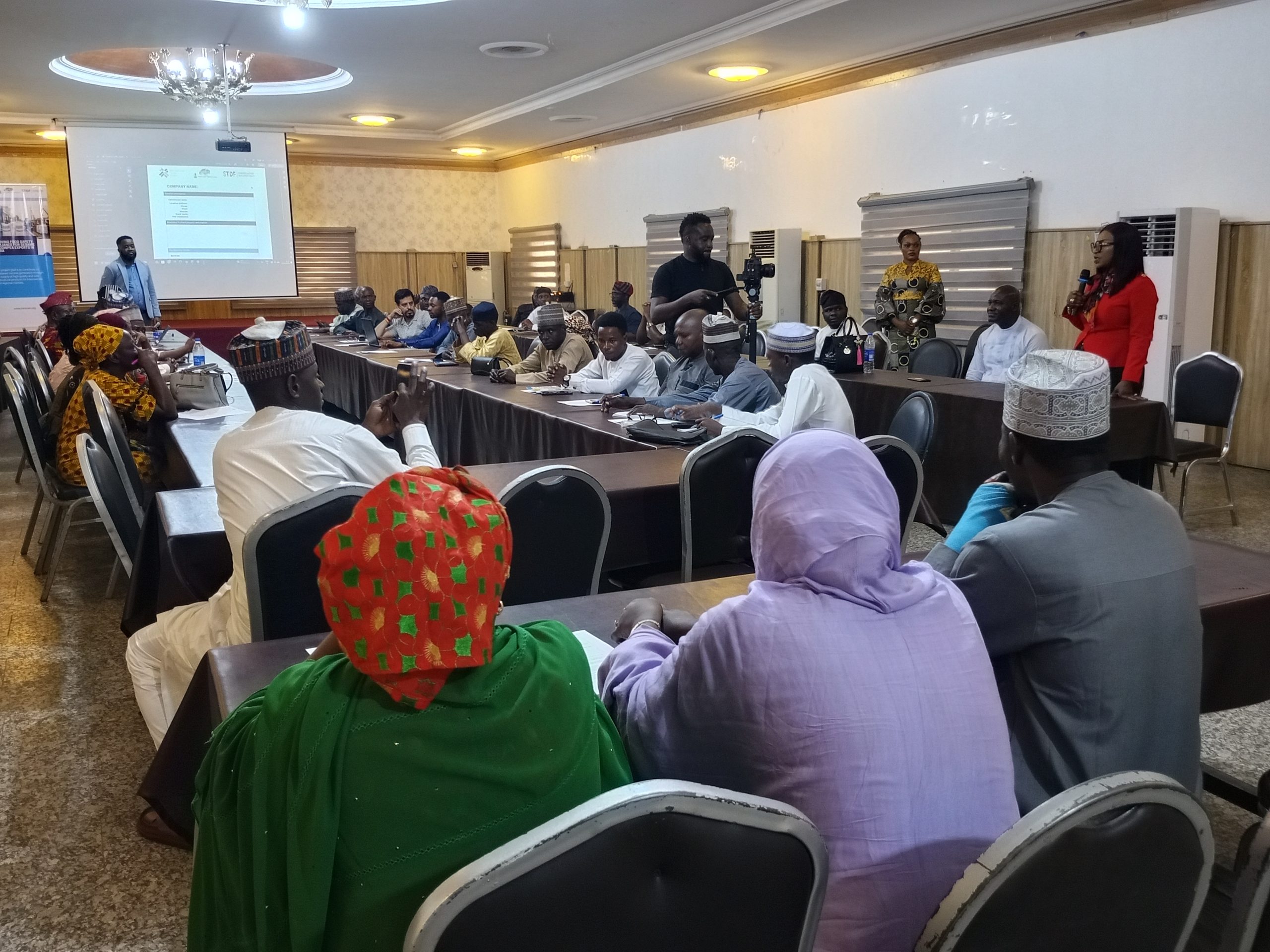
He said that the collaboration with NEPC is already helping stakeholders understand and meet global requirements.
“We are working with farmers, processors, and exporters to ensure compliance so that products are no longer rejected at borders,” Heisig explained.
Looking ahead, he expressed optimism that the initiative would significantly increase compliance levels and export volumes.
“Our expectation is that hundreds, if not thousands, of farmers will become fully compliant and understand the requirements of key markets like Japan, China, and Europe, leading to increased export volumes and value,” Heisig said.
The Kano meeting marks a critical step in Nigeria’s push to diversify its economy through agriculture, with stakeholders optimistic that improved standards and compliance will unlock greater access to global markets.