


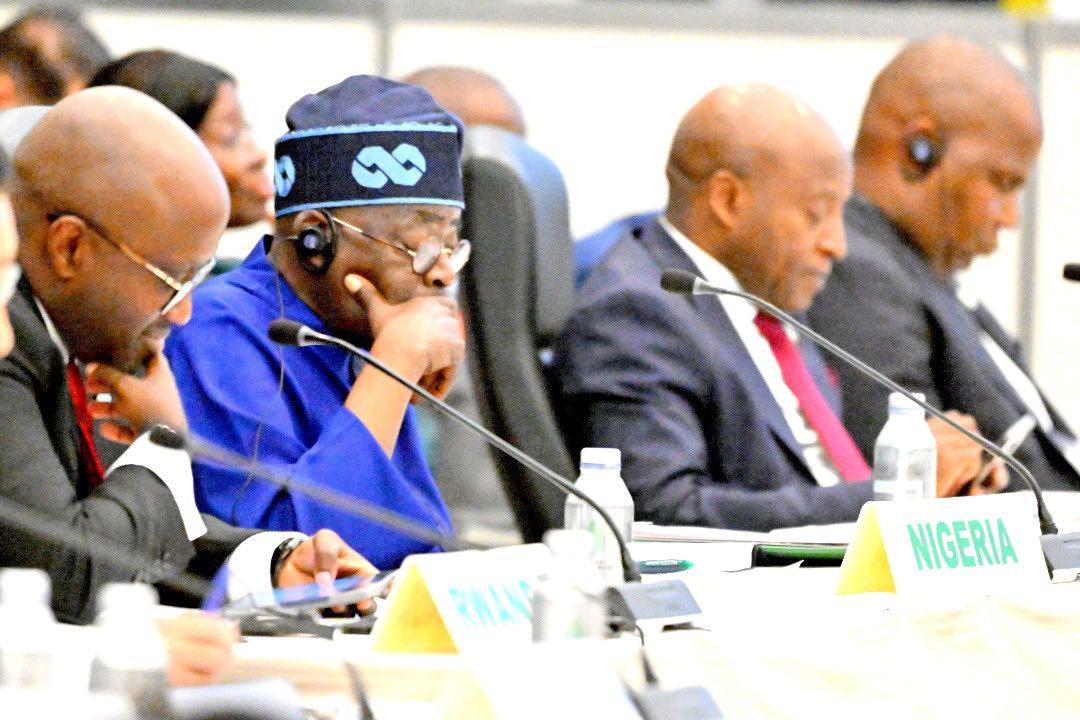
The Ninth Tokyo International Conference on African Development, TICAD9, held in the port city of Yokohama in August 2025, brought together African leaders, international organisations, and multilateral institutions, with the shared aim of supporting public-private partnerships, empowering youth and women, as well as regional integration and connectivity within and beyond the region.
TICAD 9, a widely aligned initiative with Africa’s development priorities, as outlined in the African Union (AU) Agenda 2063, focuses on co-creating innovative and sustainable solutions that empower African countries to drive greater transformation and address pressing challenges such as insecurity, poverty, and inequality.
The Japan-African conference, held under the theme “Co-Create Innovative Solutions with Africa,” introduced a range of strategic initiatives aimed at strengthening economic partnerships and accelerating development across the continent. It served as a platform for Nigeria to strategically enhance its investment environment and build strong international partnerships.
At the opening of TICAD 9, Prime Minister Shigeru Ishiba highlighted his government’s commitment to driving sustainable growth led by the private sector, empowering youth and women, and advancing regional integration across Africa.
In seeking fair and equitable representation on the United Nations Security Council, Nigeria voiced Africa’s collective demand for Japan’s support in securing two permanent seats with full privileges, including the crucial Right of Veto. Nigeria also called for an increase in non-permanent seats to better reflect Africa’s growing influence and responsibilities on the global stage.
Nigeria marked a pivotal moment with President Bola Tinubu leading the delegation to set an ambitious $1 billion trade and investment target, which closely aligned with TICAD’s three core pillars: economy, society, and peace and stability, reflecting the country’s comprehensive approach to national recovery and growth.
Under President Bola Tinubu’s leadership, Nigeria utilised TICAD9’s international platform to present a robust strategy focused on economic revitalisation, enhanced security, and national unity.
Exemplifying strong leadership through full engagement and active participation, President Tinubu reaffirmed Nigeria’s diplomatic efforts, signalling the nation’s resolve to reclaim its esteemed position in global affairs and enhance its international standing. The Nigerian leader emphasised that effectively addressing conflicts and insecurity across African nations is essential to overcoming underdevelopment and marginalisation on the global stage.
Highlighting the successes of the Nigerian Armed Forces in the ongoing fight against terrorism, Nigeria presented this sustained effort at TICAD9 as a vital foundation for national development and stability. Nigeria also advocated for market-driven cooperation and partnerships, emphasising the need to move beyond traditional appeals for aid and handouts, seeking sustainable collaboration that effectively addresses poverty and promotes inclusive economic growth.
On the sidelines of TICAD 9 engagements, Nigeria made significant strides in strengthening its energy partnership with Japan, while also pursuing strategic collaborations aimed at fostering sustainable growth and creating meaningful economic opportunities to empower its population. At the event, Nigeria secured strategic partnerships with Toshiba and Hitachi for forthcoming grid infrastructure projects, while also collaborating with Japan’s Transmission and Distribution Corporation and Energy Exchange to adopt best practices and implement loss-reduction strategies.
Under the Mission 300 initiative, Nigeria signed projects that included technical training and equipment installation, activating a $190 million renewable energy facility supported by JICA and complementing $750 million World Bank clean energy fund. Plans are underway to commission three JICA-funded substations worth $32 million in key areas of Abuja, marking a decisive shift from negotiation to tangible progress as Nigeria moves beyond agreements to actively implement energy projects that deliver measurable results.
Through high-level dialogues, Nigeria and Japan, via the Japan Organisation for Metals and Energy Security, pledged to work out plans to encourage Japanese mining companies to invest in Nigeria’s mining sector.
In a significant step to enhance cultural diplomacy and strengthen people-to-people ties, Japan, through the Japan International Cooperation Agency (JICA), officially designated the city of Kisarazu as the “Hometown” for Nigerians during a ceremony on Thursday, August 21st, under its “JICA Africa Hometown” initiative. This was aimed at deepening cultural connections between Japan and Nigeria by promoting collaboration at the municipal level. It will also strengthen Japan’s relationships with Nigeria and other African countries by designating several Japanese cities as official “Hometowns” through JICA.
With a demonstrated commitment to co-creating innovative solutions that address Africa’s emerging challenges, prioritising Nigeria as a focal point in its win-win partnership centred on sustainable growth, the Japanese government’s approach aligns closely with Nigeria’s national development agenda.
As Nigeria embraces key TICAD principles such as economic reform and diversification, security and infrastructure development, as well as good governance and social investment, it is actively charting a decisive path towards sustainable development and a brighter future for its citizens.
Nigeria’s commitment to the implementation of the TICAD strategies reflects its dedication to transforming the country’s economy through strategic investments and mutually beneficial partnerships.
Listen on Spotify