

The United Nations Children’s Fund (UNICEF) and media stakeholders have called for ethical and sensitive reporting on children to safeguard their wellbeing, particularly in conflict-affected communities across Northern Nigeria.
The call was made during a two-day training on ethical journalism and child rights reporting organised by UNICEF in Kano for journalists from Kano and Jigawa States, Northern Nigeria.
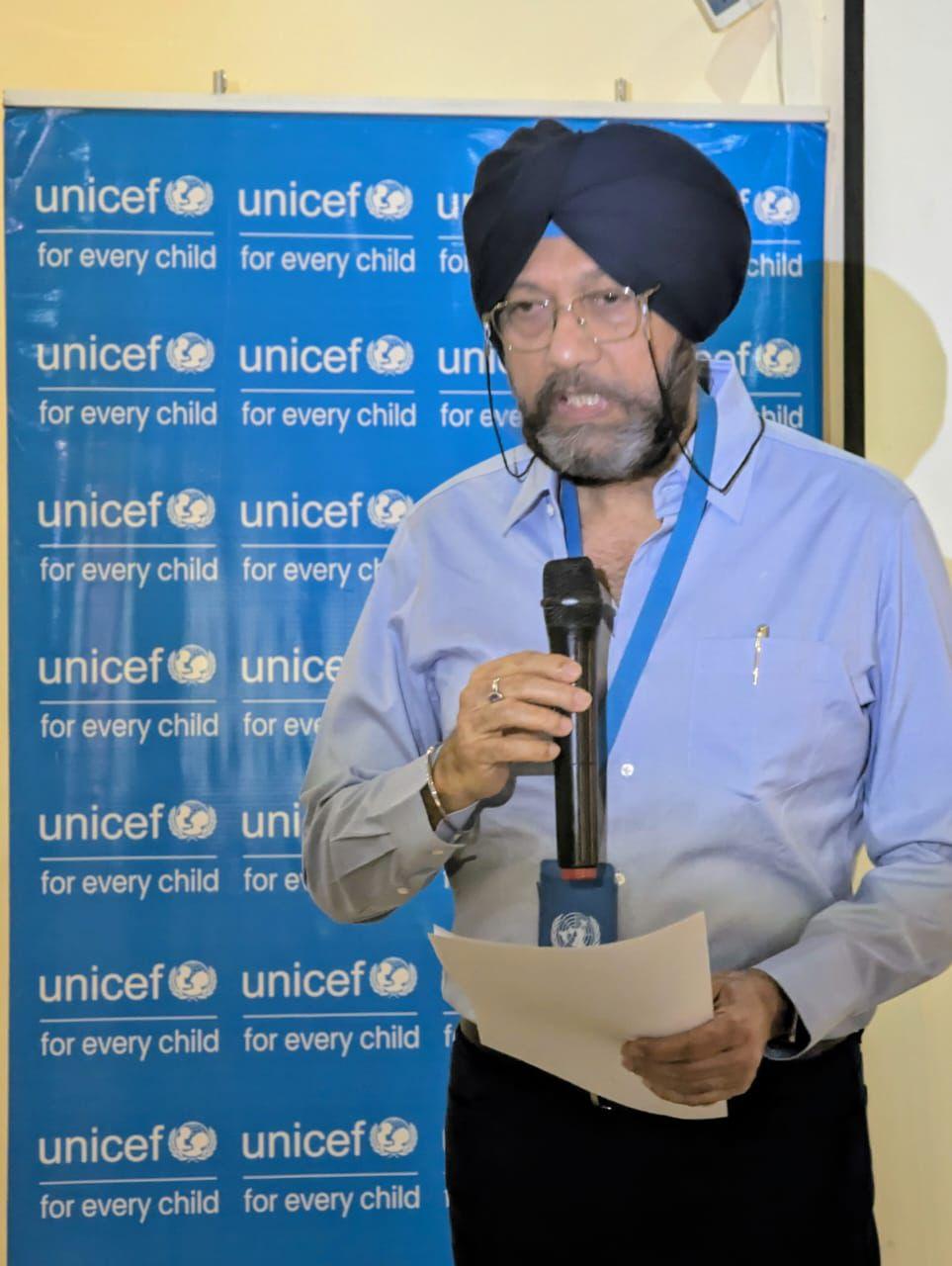
Speaking at the event, UNICEF’s Nutrition Manager, Chief of Field Office in Kano, Dr Karanveer Singh, described the engagement as “critical in promoting responsible journalism involving children.”
Dr Singh stressed that children represent the future and must be protected through careful and professional reporting.
“This is a very important gathering because we are talking about ethical reporting for children. Children are our future and it is our duty to protect the future of our country,” Singh said.
He noted that the prevailing challenges in Northern Nigeria make it imperative for the media to contribute to creating a supportive environment for children through accurate and responsible coverage
According to him, journalists must apply sensitivity, empathy and caution when reporting incidents involving minors to avoid causing further harm.
“The most important thing is to do no harm. We must not report anything that will aggravate the trauma of the child or the family,” he said.
Singh cautioned against revealing identities or publishing images of children involved in cases such as abduction or gender-based violence, as well as avoiding graphic details that could worsen their trauma.
He also urged the media to amplify children’s voices responsibly without misrepresenting them.
The Managing Director of Radio Kano, Comrade Abubakar Adamu Rano, emphasised the role of journalists in protecting vulnerable groups, especially children.
Represented by UNICEF Focal Person at the station, Aishatu Usman said the training would enhance journalists’ capacity to report child-related issues responsibly.
“As journalists, what we report, how we report it, and the words we use can influence people and even government decisions,” Usman added.
She noted that careless reporting could expose children to stigma and harm, while responsible journalism could help promote their rights and dignity.
“This training is very important for all of us,” she added, urging participants to actively engage and learn.
The event featured UNICEF officials, including Communication Specialist Samuel Kalu, as well as resource persons such as Dr. Jide Johnson, Jumoke Falayi and Mr. Lekan Sote.
Participants are expected to acquire skills and ethical standards required for child-sensitive reporting in line with global best practices.