

The World Health Organization (WHO), has called for urgent and sustained action to tackle the growing burden of diabetes across Africa, as the continent joins the global community to commemorate World Diabetes Day 2025 under the theme “Diabetes Across Life Stages.”
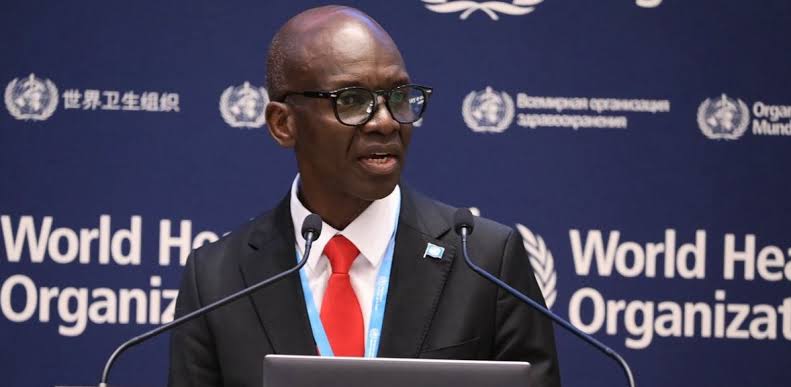
In a message to mark the occasion, the WHO Regional Director for Africa, Dr. Mohamed Janabi, warned that the continent is witnessing an unprecedented rise in diabetes, driven by changing lifestyles, increasing rates of overweight and obesity, and limited access to preventive and primary health services.
He said the scale and speed of this trend demand urgent and coordinated responses.
“According to WHO estimates, more than 24 million adults aged between 20 and 79 in the African Region are currently living with diabetes.
“This figure is projected to more than double to 60 million by 2050, with nearly half of those affected remaining undiagnosed and at risk of severe complications, disability, and premature death.
“Unless reversed, this trajectory will overwhelm health systems, strain economies and erode hard-won development gains,” Dr. Janabi cautioned.
He stressed that diabetes spares no one, affecting children, adolescents, adults, and the elderly, with each stage of life presenting unique challenges.
Resilient Health Systems
The theme for this year’s celebration, he noted, highlights the need for tailored responses to prevention and care across the life course, from early diagnosis in children to lifelong management for older adults.
Dr. Janabi explained that resilient health systems are key to reversing the trend, calling for systems that are adequately resourced and organized to deliver continuous care from prevention and early detection to effective treatment and long-term support.
He noted that African Member States had in 2024 endorsed the Framework for the Implementation of the Global Diabetes Compact in Africa, reaffirming their commitment to equitable and comprehensive care.
He commended countries such as Ghana and Uganda for integrating diabetes and cardiovascular disease services into primary health care, adding that WHO continues to support Member States to adapt and implement prevention and control frameworks.
The WHO Package of Essential Non-Communicable Disease Interventions (PEN), now operational in 31 countries, and PEN-Plus, implemented in 20 countries, are expanding access to cost-effective, quality care for chronic diseases at the primary care level.
Read Also: International Chefs Day: Stakeholders Tutor Children on Healthy Eating
WHO Declares Health Promotion a Global Movement
Highlighting the importance of early detection, Dr. Janabi stated that, “We can prevent progression to full-blown diabetes with vascular complications if we detect it at the insulin-resistance stage.
“We have a window of up to 15 years to control diabetes.
“Regular physical activity, healthy eating, and appropriate medication can significantly slow disease progression and make living with diabetes more manageable,” he added.
The WHO Regional Director noted that this year’s campaign emphasizes a unifying goal: empowering people living with diabetes to live well at every stage of life.
For children, early diagnosis and consistent care ensure healthy growth and learning; for women of reproductive age, effective management before and during pregnancy safeguards both mother and child; for working-age adults, accessible and affordable services support productivity and well-being; while for older people, continued care helps prevent complications and preserve independence.
Dr. Janabi called on governments to strengthen governance structures, increase financing for non-communicable disease services, and integrate diabetes prevention and treatment into national health and primary care plans.
He emphasized the need for policies that promote nutritious diets, physical activity, and reduced consumption of unhealthy foods to prevent new cases.
He further urged African countries to guarantee consistent access to affordable medicines such as insulin, essential technologies, mental health support, and self-care tools that enable people to manage their condition with dignity.
Dr. Janabi reaffirmed WHO’s commitment to working with governments, health workers, civil society, and communities to reverse the rising tide of diabetes across the continent.
“On this World Diabetes Day, let us renew our determination to deliver effective care and lasting support at every stage of life, so that every person living with diabetes can lead a healthy, dignified, and fulfilling life,” he said.


, has called for urgent and sustained action to tackle the growing burden of diabetes across Africa, as the continent joins the global community to commemorate World Diabetes Day 2025 under the theme “Diabetes Across Life Stages.”)