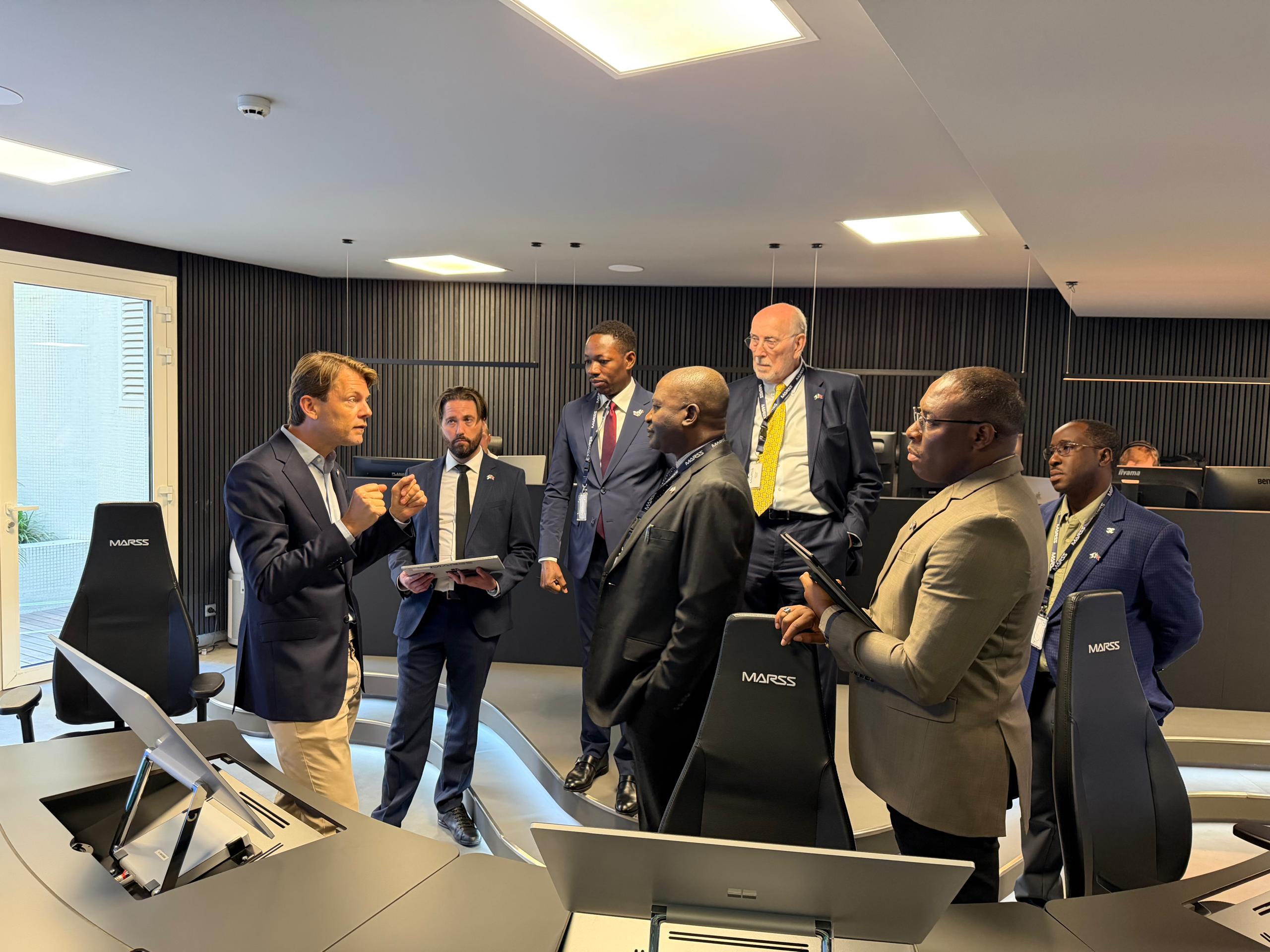
Nigeria is intensifying efforts to modernise its defence architecture through artificial intelligence-enabled surveillance systems, anti-drone technologies and integrated command-and-control platforms as the Federal Government deepens strategic defence partnerships with international security technology firms.
The development emerged during a high-level working visit to Monaco by the Minister of Defence, General Christopher Musa (Retired), alongside senior Ministry officials.
The visit featured strategic engagements with MARSS UK Ltd and its Nigerian partner, MPS Mikopowers Ltd, over the proposed implementation of a Multi-domain Hybrid Intelligence Shield project for the Ministry of Defence.
READ ALSO: Defence Minister Receives Rare National Fellowship Recognition Milestone
General Musa reaffirmed the Federal Government’s commitment to modernising the Armed Forces through strategic partnerships, technology transfer, local capacity development and sustainable defence industrial cooperation.
Surveillance Capability
According to the Minister, the Ministry of Defence must increasingly position itself as the strategic coordination centre of Nigeria’s defence architecture by leveraging advanced technologies to improve intelligence gathering, surveillance capability and operational responsiveness.
“We must therefore leverage technology for intelligence, surveillance and recurring service. We have partners and allies ready to support us. We will reach out to them to work as a team,” the Minister stated.
During the engagements, the Nigerian delegation observed demonstrations involving radar detection systems, artificial intelligence-enabled threat identification platforms, anti-drone technologies and integrated command-and-control systems designed to strengthen border security and rapid operational response.
Discussions also covered proposals for national and regional command centres, mobile response units and a Centre of Excellence focused on simulation, training and doctrine development.
Officials of MARSS UK Ltd reportedly demonstrated the NiDAR integrated command-and-control platform alongside mobile surveillance and drone interception systems intended to support Nigeria’s evolving security requirements.
Indigenous Operational Capacity
The Ministry further indicated that discussions included local production support, indigenous operational capacity development and long-term defence industry collaboration aimed at reducing dependence on externally maintained security systems.
The engagements come amid increasingly complex security challenges involving insurgency, cross-border criminality, maritime insecurity, illegal mining networks and the growing use of emerging technologies by non-state actors across the region.
Security analysts note that modern defence planning increasingly requires integrated intelligence fusion, real-time situational awareness and rapid inter-agency coordination beyond conventional battlefield structures alone.
The Monaco visit is also viewed as part of Nigeria’s broader defence diplomacy efforts as regional security pressures continue evolving across West Africa and the Sahel.