Home Blog Page 406

NUC–TETFund Seek Joint National Quantum, AI Education

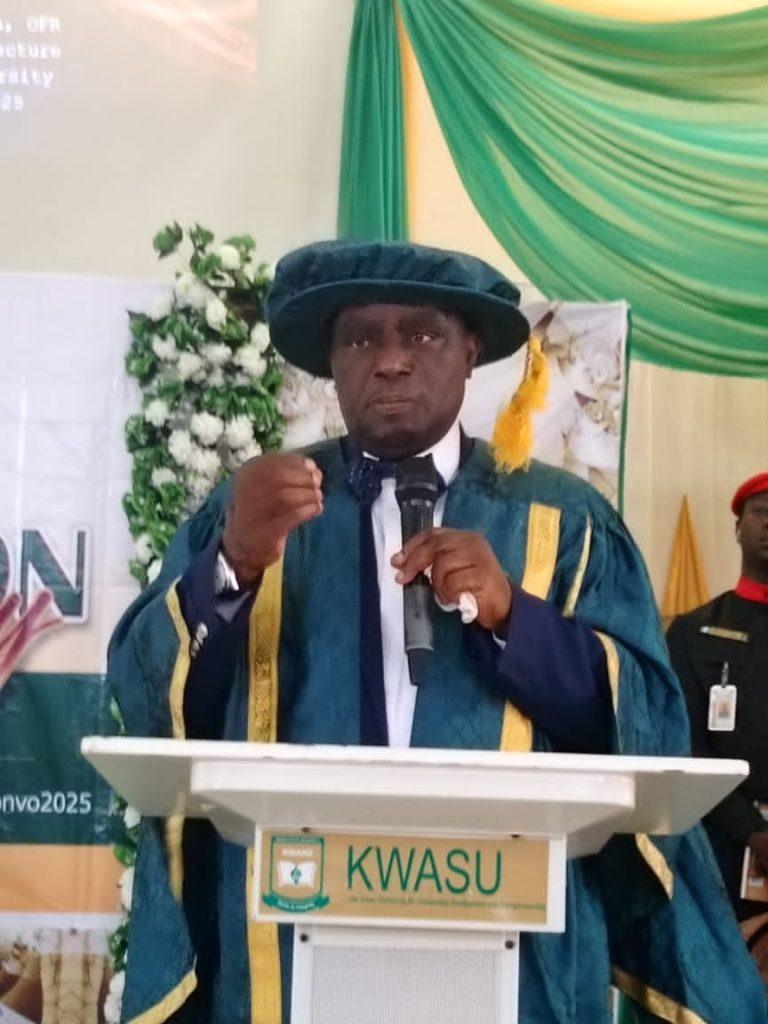
The Former Executive Secretary of the National Universities Commission (NUC), Professor Peter Okebukola, has called for a joint National Quantum and AI Education Fund to be created by the NUC and the Tertiary Education Trust Fund (TETFund).

Professor Okebukola said “Nigeria must urgently prepare a workforce capable of using next-generation computing technologies.”

He said this while delivering the convocation lecture at the Kwara State University (KWASU), Malete, Kwara State, North Central Nigeria.

Competitive Grants

According to him, the fund should provide competitive grants to universities that demonstrate clear commitment to artificial intelligence and quantum research, stressing that global technological shifts will reshape nearly one billion jobs within the next decade.

Okebukola pushed further for Nigerian universities to establish a Quantum Futures Institute (QFI) as an interdisciplinary hub where experts from engineering, sciences, humanities and social sciences can jointly tackle national challenges through quantum-thinking approaches.

The former NUC boss expressed concern over Nigeria’s poor research investment profile, noting that the country spends about 0.2% of its GDP on research below the African average of 0.5% and far behind nations that commit 3% to 4%.

He urged the federal and state governments to increase R&D funding and introduce tax incentives for private companies that sponsor university research or establish endowed research chairs.

Okebukola advised the NUC to design a dedicated accreditation framework for emerging technology programmes, arguing that such fields evolve too quickly for traditional evaluation methods.

He said universities should have more flexibility under the 30 percent institutional addition permissible in the CCMAS.

For the private sector, he recommended the creation of industry–university collaboration hubs in all geopolitical zones where companies can table real-world problems and universities can produce research-based solutions that can be commercialised.

Digital infrastructure

He also urged companies to support digital infrastructure on campuses and deepen curriculum, internship and sabbatical partnerships.

Okebukola said universities must train students and staff to move away from passive learning towards active knowledge creation, stressing that the quantum era demands comfort with uncertainty, creativity and interdisciplinary thinking.

He urged KWASU and other universities to roll out AI literacy programmes for all students and to form at least three global partnerships with leading universities in quantum computing and AI.

In his remarks, Vice Chancellor Professor Shaykh-Luqman Jimoh said KWASU places high priority on transformative ideas and collaborations that produce societal value, describing Okebukola as a scholar whose work continues to shape the evolution of higher education.


Olusola Akintonde
Kano Education Stakeholders Review PLANE Programme Outcomes

0

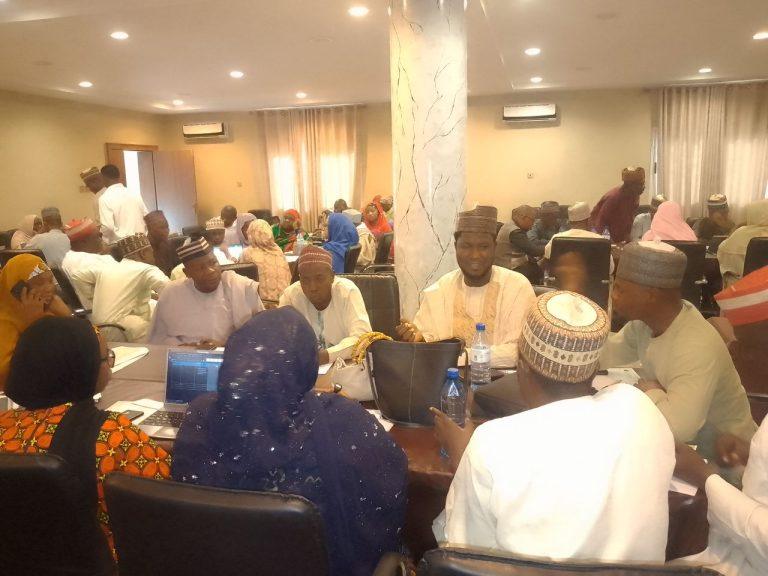
Education stakeholders in Kano State have met to review learning outcomes achieved under the UK-funded Partnership for Learning for All in Nigeria (PLANE) programme.

PLANE, a seven-year initiative of the UK Government, supports Nigeria in building a stronger and more inclusive education system.

Kano is among the beneficiary states implementing interventions to boost literacy and numeracy at the foundational level.

The review meeting highlighted notable improvements in primary schools across Gabasawa, Karaye, Minjibir, and Takai Local Government Areas.

Latest assessment data shows that 191,378 pupils in 532 schools have so far benefited from the programme, while 2,262 teachers have received training, coaching, and regular classroom support.

Female learners accounted for 53 percent of beneficiaries, compared to 47 percent male.

Deputy National Lead of PLANE, Mr Samuel Achinugu, praised Kano State for prioritising teacher development and strengthening school supervision.

However, he called for further investment to address remaining teacher shortages and expand the supply of learning materials in classrooms.

“We are grateful for what has been done, but there is still a need for more teachers and more instructional materials to sustain these gains,” he noted.

The Executive Chairman of the State Universal Basic Education Board (SUBEB), Alhaji Yusuf Kabir, represented by the Secretary, Amina Umar, said the state government has already recruited over 4,300 new teachers, with plans to hire an additional 4,000 after ongoing competency assessments.

He assured that Kano remains committed to working with partners to improve the quality of teaching and ensure children have better access to education.

Also speaking, PLANE State Team Lead, Mr Umar Lawan, explained that the programme has moved into a new phase that focuses on system strengthening, with the government taking the lead role while PLAIN provides technical support.

He said the quarterly review allows stakeholders to assess performance, reflect on midline evaluation outcomes, and strategise for greater progress in the coming months.

Stakeholders expressed confidence that the ongoing collaboration would continue to enhance learning outcomes and support basic education reforms across Kano State.

SERAP, Editors Seek End to Intimidation of Journalists, Activists

0

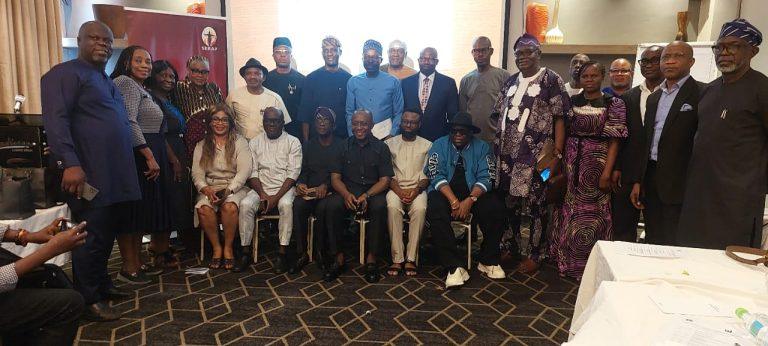
A civil rights organisation, the Socio-Economic Rights and Accountability Project, SERAP, has demanded an immediate end to the intimidation and harassment of journalists, activists, civil society groups, and citizens expressing dissenting views about government actions.

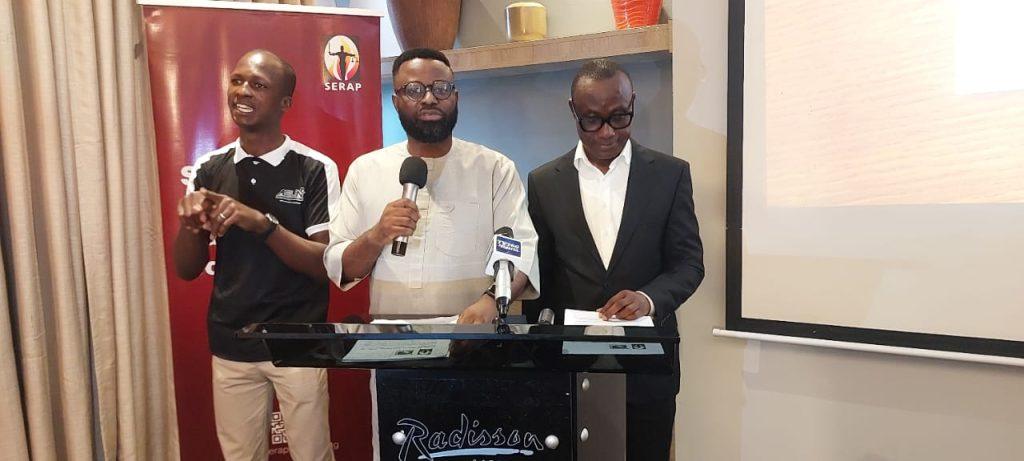
SERAP’s Deputy Director, Mr. Kolawole Oluwadare, made the call during an interactive session and news conference jointly organised by SERAP and the Nigerian Guild of Editors (NGE).

The event focused on “Practical Strategies and Collaborative Approaches to Address the Increasing Threats to Civic Space and Media Independence in Nigeria.”

Mr. Oluwadare expressed concern over the persistent threats faced by journalists and the rising use of Strategic Lawsuits Against Public Participation (SLAPPs), which he said could have a chilling effect on press freedom.

He said; “SLAPPs create emotional, psychological, and financial burdens for those sued by government agencies. These cases often drag on for three or four years, and while they appear lawful, their intention is not good. They are meant to instill fear—some sort of psychological warfare—against the press, activists, and citizens critical of government policies.”

Mr. Oluwadare warned that actions taken by some government officials and influential individuals have far-reaching negative consequences, including the erosion of democracy, rising corruption, the spread of misinformation, and increasing human rights abuses.

“No nation will progress under such conditions,” he said.

Oluwadare further noted that impunity for individuals who threaten or harass journalists and human rights defenders contributes to a hostile environment for those protecting constitutionally and internationally guaranteed rights in Nigeria.

Criminal defamation and SLAPPs are neither necessary nor proportionate under the Nigerian Constitution and various human rights treaties Nigeria has ratified. Nigeria has a penchant for signing these treaties but shows a poor record in implementing them,” he said..

Also speaking, the General Secretary of the Nigerian Guild of Editors, Mr. Onuoha Ukeh urged authorities to withdraw SLAPP lawsuits filed against journalists, activists, and civil society groups, stressing that the government must uphold human rights obligations.

“Nigerian authorities should urgently act to prevent further spurious court cases by security and law enforcement agencies that target journalists and undermine democracy,” Mr Ukeh stated.

He called for stronger protections for journalists, activists, and civil society organizations, noting that defamation should not be weaponized to suppress legitimate freedoms.

Mr. Ukeh also urged President Bola Tinubu’s administration to direct State governments, the Nigeria Police Force, and the Department of State Services, DSS, to fully uphold human rights, press freedom, access to information, court judgments, and the rule of law.

The National Assembly must urgently review and amend the Cybercrime Act and other restrictive laws to align with Nigeria’s international human rights obligations and commitments to media freedom,” he added.

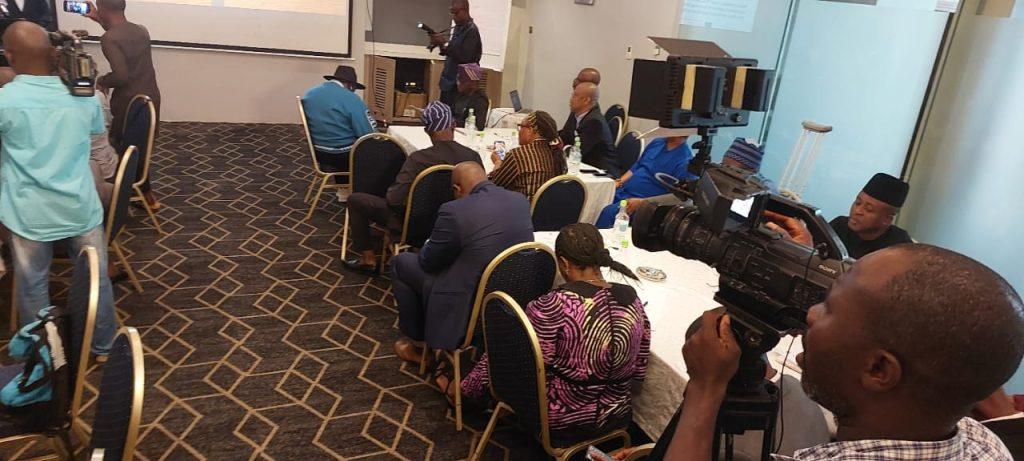
The event, held in Lagos, brought together media executives, Civil Society Organizations, CSOs, human rights activists, and other key stakeholders.


Mercy Chukwudiebere

‎NAFDAC Destroys Counterfeit Products Worth Over N5 Billion in Nasarawa

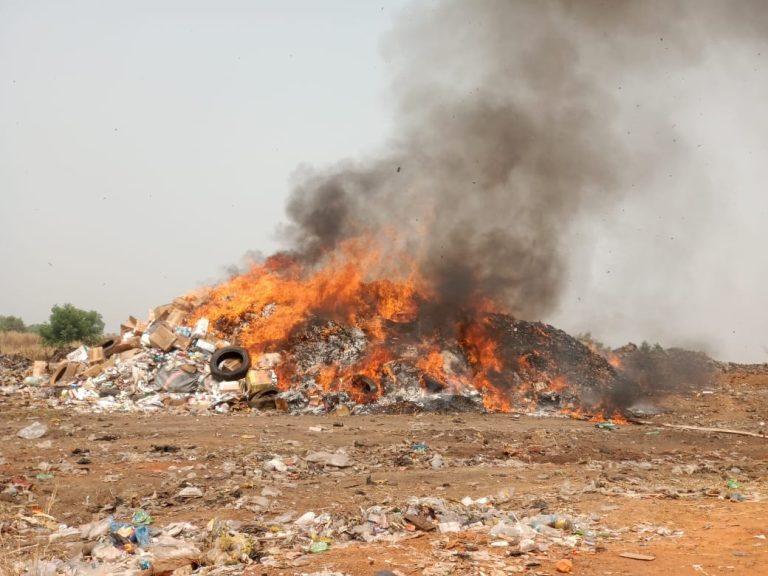
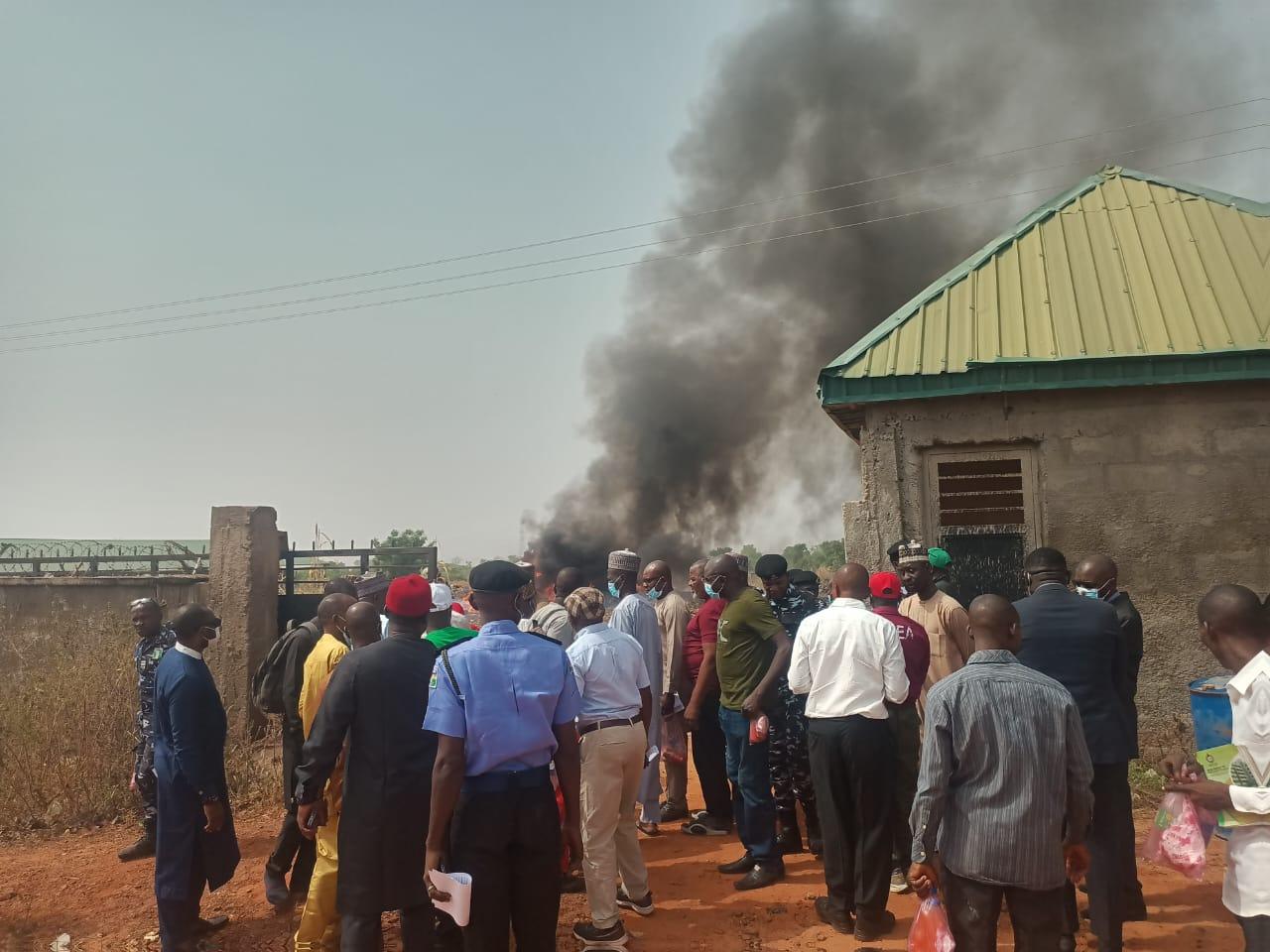
The National Agency for Food and Drug Administration and Control (NAFDAC) has destroyed fake, substandard, counterfeit, and other unwholesome regulated products valued at over N5 billion in Nasarawa State.

‎The destruction exercise took place at the Nasarawa State Waste Management and Sanitation Authority dump site in Ungwan Rere, on the outskirts of Lafia, the state capital.

‎Speaking during the event, the Director General of NAFDAC, Professor Christianah Adeyeye, said the products were confiscated across five states in the North Central Zone—Benue, Kogi, Nasarawa, Niger, and Plateau. She was represented by the NAFDAC North Central Zonal Director, Mr. Kenneth Azikiwe.

According to him, the items destroyed included food products, drugs, medical devices, detergents, chemicals, and other regulated goods, all valued at more than N5 billion.

‎He assured Nigerians that the agency would continue to intensify efforts to ensure that only safe and quality products are allowed in markets.

‎Also speaking, the Nasarawa State Commissioner for Security and Home Affairs, Usman Baba, described the exercise as unprecedented in the fight against counterfeit and harmful products in Nigeria.

‎He commended NAFDAC for its sustained enforcement activities and urged the agency to continue safeguarding the nation by regulating the manufacture, importation, exportation, distribution, sale, and use of food, drugs, and cosmetics.

‎According to him, “This Act empowers the Agency to ensure that only the right quality and safe products are consumed by Nigerians and other residents or visitors in the country.”


Olusola Akintonde

Civil Rights Group Demands Immediate End to Journalists Harassment

0

A civil rights organisation, the Socio-Economic Rights and Accountability Project (SERAP), has called for an immediate end to the intimidation and harassment of journalists, activists, civil society organisations, and citizens with dissenting viewpoints.

The call was made by SERAP’s Deputy Director, Mr. Kolawole Oluwadare, during an interactive session and press conference jointly organised by SERAP and the Nigerian Guild of Editors (NGE).

The event focused on “Practical strategies and collaborative approaches to address the increasing threats to civic space and media independence in Nigeria.”

Mr. Oluwadare expressed concern over the persistent threats faced by journalists and the rising use of Strategic Lawsuits Against Public Participation (SLAPPs), which he said could have a chilling effect on press freedom.

 “SLAPPs create emotional, psychological, and financial burdens for those sued by government agencies. These cases often drag on for three or four years, and while they appear lawful, their intention is not good. They are meant to instill fear—some sort of psychological warfare—against the press, activists, and citizens critical of government policies,” he said.

He warned that actions taken by some government officials and influential individuals have far-reaching negative consequences, including the erosion of democracy, rising corruption, the spread of misinformation, and increasing human rights abuses.

No nation will progress under such conditions,” he stated.

Oluwadare further noted that impunity for individuals who threaten or harass journalists and human rights defenders contributes to a hostile environment for those protecting constitutionally and internationally guaranteed rights in Nigeria.

Criminal defamation and SLAPPs are neither necessary nor proportionate under the Nigerian Constitution and various human rights treaties Nigeria has ratified. Nigeria has a penchant for signing these treaties but shows a poor record in implementing them,” he said.

Also speaking, the General Secretary of the Nigerian Guild of Editors, Mr. Onuoha Ukeh, urged authorities to withdraw SLAPP lawsuits filed against journalists, activists, and civil society groups, stressing that the government must uphold human rights obligations.

Nigerian authorities should urgently act to prevent further spurious court cases by security and law enforcement agencies that target journalists and undermine democracy,” Ukeh stated.

Stronger Protection

He called for stronger protections for journalists, activists, and civil society organisations, noting that defamation should not be weaponized to suppress legitimate freedoms.

Ukeh also urged President Bola Tinubu’s administration to direct state governments, the Nigeria Police Force, and the Department of State Services to fully uphold human rights, press freedom, access to information, court judgments, and the rule of law.

The National Assembly must urgently review and amend the Cybercrime Act and other restrictive laws to align with Nigeria’s international human rights obligations and commitments to media freedom,” he stated.

The event, held in Lagos, brought together media executives, civil society organisations, human rights activists, and other key stakeholders.

Lateefah Ibrahim

NDDC Expands LIFE-ND to Grow Agripreneurs

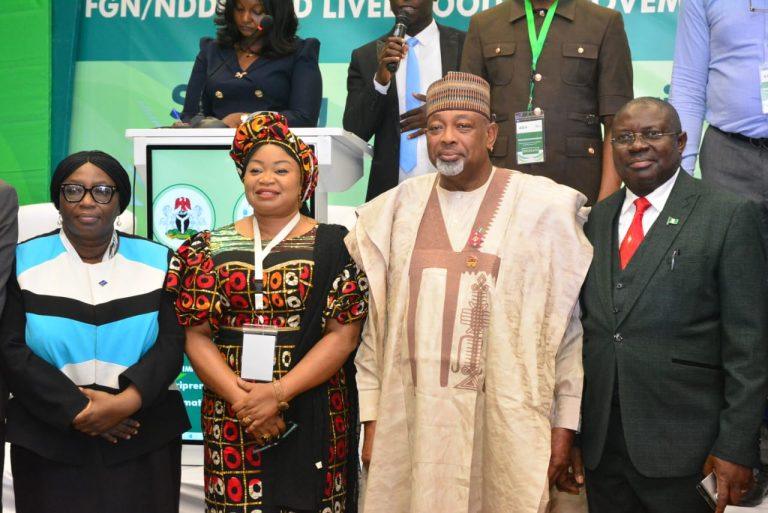
The Niger Delta Development Commission (NDDC) in Nigeria, has announced plans to scale up the Livelihood Improvement Family Enterprises Niger Delta (LIFE-ND) project with the goal of creating more than 38,250 new Agripreneur and deepening youth participation across critical agricultural value chains.

This was disclosed by the NDDC Managing Director, Dr. Samuel Ogbuku, at a one-day workshop on “Scaling Up Youth Agripreneurship in Nigeria for Food Systems Transformation” held at the Tinubu International Conference Centre, Abuja Nigeria’s capital.

Represented by the Acting Director of the NDDC Liaison Office in Abuja, Mrs. Mary Nwaeke, Ogbuku stressed the enormous agricultural possibilities within the Niger Delta and the nation at large.

He acknowledged persistent challenges such as food inflation, fragmented value-chain operations, ageing farmers, limited access to finance, climate-related pressures and inadequate exposure to modern technology.

These obstacles, he explained, should not deter progress but rather serve as catalysts for building a new generation of agripreneurs equipped to revitalise rural economies and reshape Nigeria’s food systems.

Ready to Work 

Reaffirming NDDC’s readiness to work with governments, development partners, and private-sector stakeholders, Ogbuku emphasised that meaningful growth in agriculture depends on creating a favourable environment for youth-led agribusiness.

“We are not just building farms; we are building futures. We are not just cultivating crops; we are cultivating prosperity,” he declared.

He described the LIFE-ND project as a transformative platform with the potential to unlock vast economic opportunities for young people across the Niger Delta.

He noted that the NDDC’s US$30 million counterpart funding stands as evidence of the Commission’s unwavering commitment to using agripreneurship as a tool for promoting peace, stability and sustainable development in the region.

In his address, the Permanent Secretary of the Federal Ministry of Agriculture and Food Security, Dr. Marcus Ogunbiyi, reaffirmed the Nigerian Government’s determination to secure the nation’s food systems.

Strengthened Partnership

He called for strengthened partnerships among government agencies, development organisations, and private investors to ensure a robust and efficient food supply chain nationwide.

Also speaking at the event, the Minister of Agriculture and Food Security, Abubakar Kyari, commended the NDDC, the LIFE-ND project team, and supporting partners for their continued contributions to national food security initiatives.

He praised the National Project Coordinator of LIFE-ND for his commitment to ensuring the programme’s long-term sustainability.

The workshop brought together policymakers, agricultural experts, development partners and youth representatives, all united by a shared vision: empowering Nigeria’s young entrepreneur to drive the transformation of the nation’s food systems.


Olusola Akintonde

Customs, NDLEA Seize 1,187kg Canadian Loud at Apapa Port

Barely five days after the Nigeria Customs Service (NCS) and the National Drug Law Enforcement Agency (NDLEA) uncovered 25.5kg of cocaine on a Brazilian-flagged vessel, both agencies have recorded yet another major drug interception at the Apapa Port, Lagos, Southwest Nigeria.

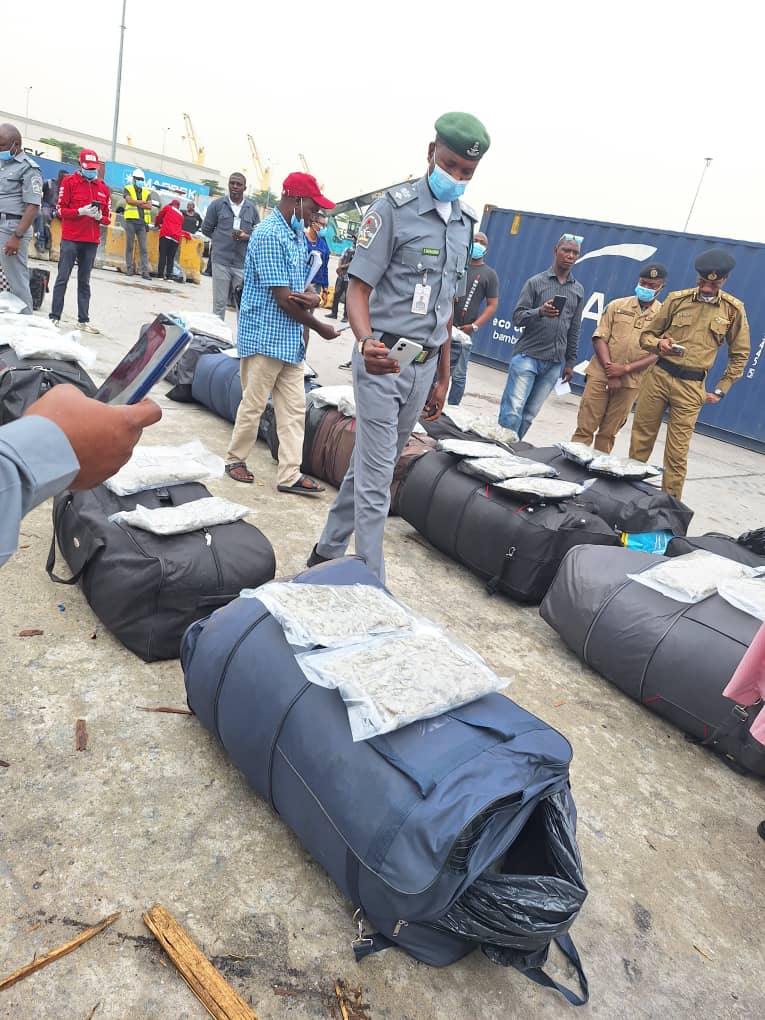
Acting on credible intelligence provided by the NDLEA, operatives of the two agencies intercepted a fresh consignment of Canadian Loud, a high-grade strain of cannabis concealed inside an imported vehicle.

The illicit shipment, discovered during a joint examination, was traced to a 1×20-foot container with registration number FCIU 6369526, which carried two vehicles.

A total of 2,374 packages of cannabis were found packed in 55 bags, with an overall weight of 1,187kg. Each sachet of the drug was reportedly packaged in 500-gram portions. The consignment has since been handed over to the NDLEA for further investigation.

Speaking on the operation, the Customs Area Controller, Apapa Command, Comptroller Emmanuel Oshoba, commended the strong inter-agency collaboration that led to the successful seizure. He reaffirmed the Service’s zero-tolerance stance on smuggling activities.

According to him, few days ago, “I stated that no consignment will exit our control from this port without due checks. Our synergy as government agencies will always give us an edge over criminal elements.

“No matter the volume of trade we are processing, we will never sacrifice national security or the economy for any form of trade. While we remain focused on collecting maximum revenue for the government, our eagle-eyed officers are fully alert at all times.”

The Comptroller issued a stern warning to importers, exporters, freight forwarders and licensed agents ahead of the festive season, cautioning against attempts to compromise port security.

“Anyone who dares our resolve this Yuletide season and beyond will face the full wrath of the law. Investigations are ongoing, and we shall ensure that all those involved in this shipment are brought to justice,” he added.

The joint operation reinforces the increasing vigilance of Nigerian security agencies as they intensify scrutiny of imports through the nation’s busiest seaport.


Olusola Akintonde

Anambra State Governor to Reallocate 2025 Budget Amid Economic Pressures

0

Anambra State Governor, Chukwuma Soludo, has asked the State House of Assembly to approve a reallocation of funds within the already approved 2025 budget, citing shifting priorities and ongoing economic challenges.

The request, conveyed in a letter read during Thursday’s plenary by Speaker Somtochukwu Udeze, seeks authorisation to adjust capital and recurrent spending, as well as capital receipts, in order to better align the budget with emerging needs across the state.

Although the government did not disclose specific details of the proposed changes, Governor Soludo explained that the reallocation was driven by limited resources and the need to respond swiftly to pressing developmental demands. He noted that the adjustments are aimed at ensuring public resources deliver maximum value and improved service outcomes for residents.

“In light of the foregoing, it would be greatly appreciated if the draft amendment to the 2025 Appropriation Bill is placed before the House at the earliest time for consideration and passage into law,” Soludo wrote.

Following the reading of the governor’s letter, Speaker Udeze referred the request to the House Committee on Finance and Appropriation and directed it to present its report within the coming week. The Assembly subsequently adjourned plenary to Tuesday, December 11, 2025.


Olusola Akintonde

Kano Governor Hails Dangote’s Investment in Education

0

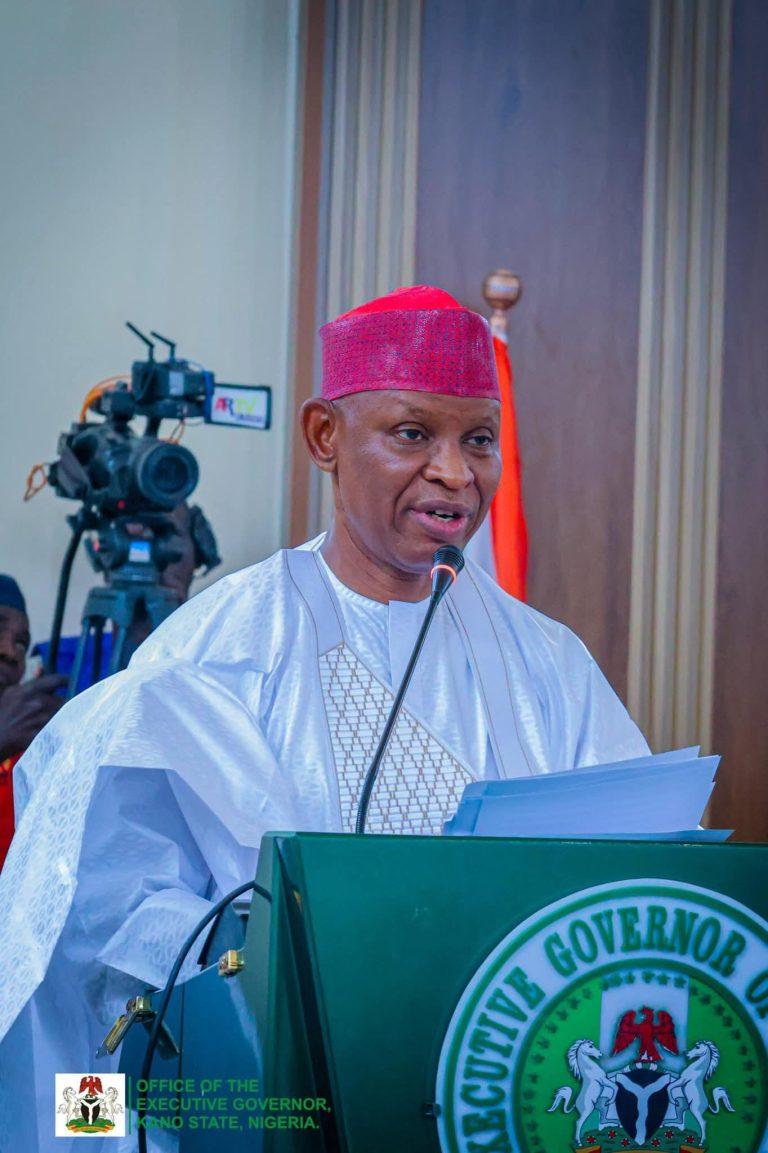
Kano State Governor, Abba Kabir Yusuf, has commended Africa’s richest man, Aliko Dangote, for dedicating 25 percent of his wealth to charitable causes.

He described the gesture as a transformative milestone for national development and a model for philanthropy across Africa.

The Governor made the remark during a high-level gathering in Lagos attended by Vice President Kashim Shettima, Governors from Kano, Gombe, Nasarawa, and Borno states, as well as the Ministers of Education.

At the event, the Aliko Dangote Foundation unveiled a N100 billion education support initiative targeting 155,000 students nationwide.

The Foundation also announced a long-term plan to invest up to N1 trillion over the next decade to reach more than 1.3 million beneficiaries, with a strong focus on out-of-school children.

Governor Yusuf noted that the initiative aligns with broader national efforts to improve access, teacher quality, and learning infrastructure, reinforcing Kano’s ongoing education reforms under the state’s declared emergency in the sector.

He highlighted recent improvements in Kano, including the recruitment of over 13,000 teachers, large-scale rehabilitation of schools, reduction of classroom congestion, distribution of desks, and expanded scholarship support.

The state is also conducting a survey to identify out-of-school children and integrate Qur’anic schools into mainstream education.

He also welcomed the Foundation’s decision to invest N15 billion in upgrading Aliko Dangote University, Wudil, to international standards, saying it would enhance tertiary education quality and access for Kano and the country at large.

Governor Yusuf reaffirmed Kano’s vision of ensuring every Nigerian child has access to functional education and said partnerships with institutions like the Dangote Foundation are critical to achieving this goal.

He expressed confidence that the collaboration will yield long-term benefits and accelerate efforts to close learning gaps across the country.

PIAK

Deputy Speaker Applauds Young Filmmakers at SDG Short Film Challenge

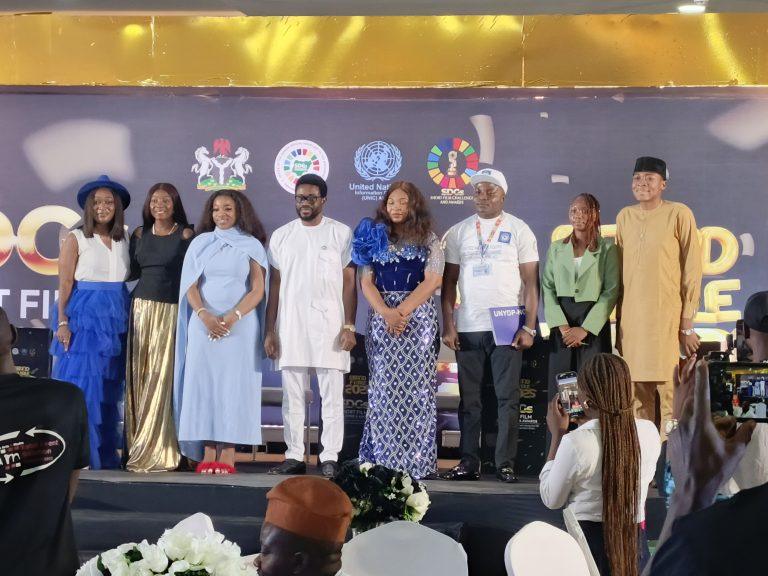
The Deputy Speaker of the House of Representatives, Benjamin Okezie Kalu, has praised young Nigerian filmmakers for using their creativity to drive social change and support the Sustainable Development Goals (SDGs).

Represented by Ogbonna Ukukwu, Kalu gave the commendation during the SDG Short Film Challenge Award Ceremony held on Monday in Abuja.

Acknowledging the growing impact of film in today’s fast-evolving digital landscape, the Deputy Speaker highlighted the vital role short films play in contemporary communication.

“We all know that the attention span today is fast; short films are very crucial. Passing messages through these films cannot be overemphasized,” he said.

He praised the filmmakers for their creativity, vision, and commitment to social transformation, noting that their craft is shaping conversations capable of improving communities across the country.

“You are not just entertaining people; you are using your platform to drive messages that will transform our communities and spur progress,” he added.

READ ALSO: Nigerian Government hails Zuma Film Festival platform

While encouraging the young creatives to remain focused on positive storytelling, Kalu urged them to leverage their talents for nation-building.

“Use your creative mind to change things change the narrative, build inclusiveness, and let’s have a better and just society,” he said.

Also speaking, the Senior Special Assistant to the President on Sustainable Development Goals (SDGs), Adejoke Orelope-Adefulire, represented by Aliyu Lolo, praised Nigerian youths for their commitment to promoting sustainable development through storytelling. She said the Short Film Challenge provides a platform for young Nigerians to shape national discourse on development using their voices, art, and innovation.

“As we celebrate today’s finalists and eventual winners, let us reaffirm our commitment to building a more inclusive, equitable, and sustainable Nigeria one where no one is left behind,” she said.

In her remarks, the Director-General of the Centre for Black and African Arts and Civilization (CBAAC), Aisha Augie, called for greater support for young filmmakers using creative storytelling to drive social change. She highlighted the power of film in shaping values, strengthening identity, and challenging harmful societal norms.

“When it comes to creativity connected to who we are as a people, this is something we stand for,” she said.

“The way we tell our stories either helps to fix some things or break them. That is why events like this are very important short films that continue to change the way we think and make things better for society.”

The SDG Short Film Challenge convenes young creatives from across the country, encouraging the use of visual storytelling as a tool for advocacy, community development, and the advancement of a more inclusive and sustainable society.