Home Blog Page 5

VP Shettima To Launch UNIPOD Initiative on April 7

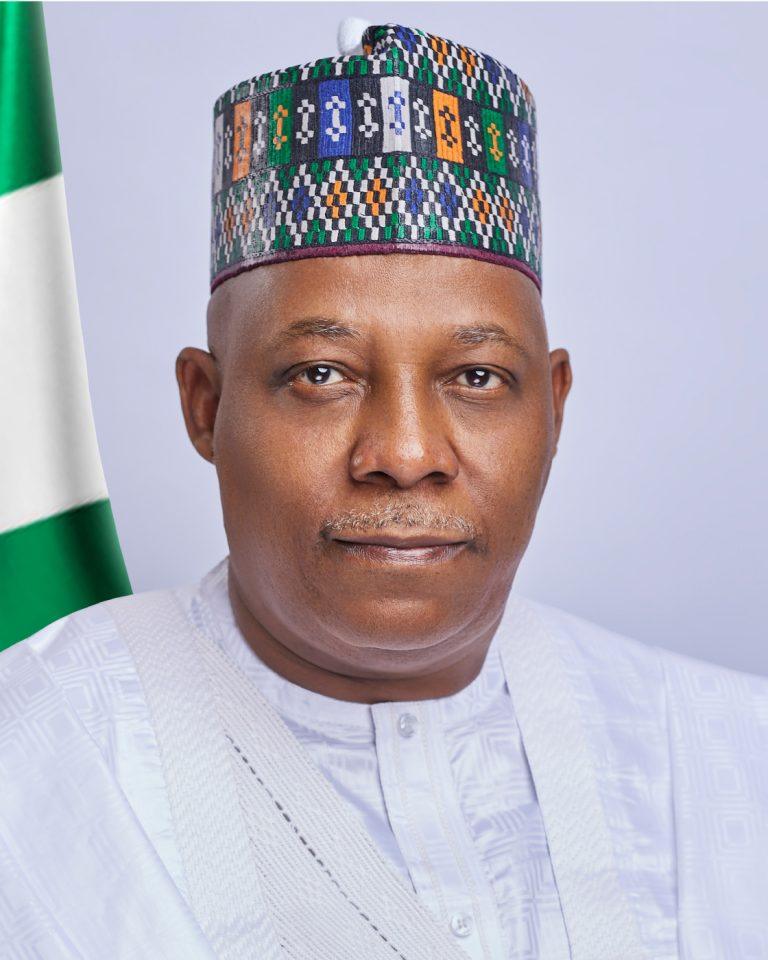
Nigeria’s Vice President, Kashim Shettima, will on Tuesday, April 7, perform the formal flag off of the first University Innovation Pods (UNIPOD) in Africa at the University of Lagos.

UNIPOD, an initiative of the United Nations Development Programme (UNDP) in partnership with the Nigerian government, aims to reconfigure the country’s development architecture to transform universities into engines of innovation and enterprise creation, among other objectives.

Deputy Chief of Staff to the President, Ibrahim Hassan-Hadejia, who disclosed this during a news conference in Abuja, said the UNIPOD initiative “underscores the Federal Government’s commitment to repositioning our universities as drivers of economic growth, innovation, and enterprise development, addressing the disconnect between formal education and labour market outcomes.”

“The UniPods are designed to address this by providing structured platforms within our universities where ideas can be developed, tested. financed, and translated into viable enterprises for societal impact and economic development.”

Benefits

On the benefits of the programme, he said the initiative “is not merely an infrastructure intervention but a deliberate step towards building a coherent national innovation system – one that links talent, research, industry, and investment in a more purposeful manner.”

The Deputy Chief of Staff also noted that the rollout will commence with the University of Lagos Artificial Intelligence Pod, with additional UniPods to follow in Abia, Akwa Ibom, Nasarawa, Benue, and Borno States.

On the implementation model, Hassan-Hadejia said the interventions under the programme are central to the government’s efforts to harness the potential of Nigeria’s youth population by embedding innovation and enterprise within the university environment, where students and researchers will have access to the skills, tools, mentorship, and financing required to develop practical solutions and build scalable ventures.

Pacesetter

UNDP’s Resident Representative for Nigeria, Ms Elsie Attafuah, said Nigeria is the first country in Africa to take the UniPods model to scale through direct government investment.

She said the planned flag-off positions Nigeria as a continental leader in building a knowledge-driven economy.

Giving insight into the national rollout, the UN official said aside from UNILAG, a series of UniPod launches will take place across the country, including: Nasarawa State University, Keffi – Mining Technology; University of Uyo, Akwa Ibom – Green and Blue Economy; Michael Okpara University of Agriculture, Umudike (Abia) – Manufacturing and Trade; Benue State University, Makurdi – Agriculture and Food Systems; and the University of Maiduguri – Resilience and Recovery.

“These hubs are already established, equipped, and ready for activation, with energy solutions, connectivity, and operational teams in place.

“Together, they form the first cohort of a national innovation network spanning all geopolitical zones,” she added.

Demographic Asset

She explained that, with over 220 million people, more than 60% of whom are under the age of 25, the country holds one of the most powerful demographic assets globally.

She said the UniPods will be fully operationalised under the National Innovation and Digital Transformation Partnership Programme (NIDTPP)—a joint platform between UNDP and TETFund designed, among other interventions, to transform public investments into living innovation ecosystems.

“Through the expanded national investment case, Nigeria aims to scale to over 50 universities nationwide; reach over 500,000 learners with advanced digital and AI skills; support 1,500–2,000 startups and student ventures; and unlock large-scale job creation and enterprise growth,’ she said.

She expressed deep appreciation to Vice President Shettima for his visionary leadership and unwavering commitment to advancing human capital development, innovation, digital transformation, and economic diversification under President Bola Tinubu’s Renewed Hope Agenda.

 

Operation Safe Corridor, Key to Rehabilitating Surrendered Insurgents – Coordinator

0

The Coordinator of Operation Safe Corridor, Brigadier General Yusuf Ali has emphasized Operation Safe Corridor as a non-kinetic response to manage and rehabilitate low-risk individuals who voluntarily surrendered after being coerced into insurgent groups.

General Ali made this known in Abuja while briefing Journalists on the core mandate of Operation Safe Corridor (OPSC) in Nigeria is to provide pathways for willing and repentant insurgents and other low-risk armed actors to disengage from violence and embrace peace.

According to him, OPSC was established at the height of Nigeria’s insurgency around 2015–2016.

Operation Safe Corridor emerged as military offensives intensified across insurgent-held areas such as Gwoza, Madagali, and Bama, where many civilians were forcibly conscripted by terrorist elements.

He stated that as these territories were liberated, several abducted or coerced individuals seized the opportunity to escape and surrender, prompting the need for a structured rehabilitation programme.

The initiative specifically targets individuals classified as “low-risk,” a designation determined not by the programme itself but through a rigorous screening process led by the Ministry of Justice and supported by relevant government agencies and international partners.

These individuals are largely considered victims who were forced into insurgent activities.

Rather than returning them immediately to their communities, authorities channel them through Operation Safe Corridor to address psychological trauma, exposure to violence, and, in some cases, substance abuse acquired during captivity.

“This process ensures they are mentally and socially prepared for reintegration”, he added.

The program is structured around four key components: Disengagement, Deradicalisation, Rehabilitation, and Reintegration (DDRR).

This comprehensive approach aims to restore dignity, create livelihoods, and enhance resilience at both individual and community levels.

OPSC is not only a mechanism for disarming and transforming ex-combatants but also a central driver of regional peace building, contributing to stability and lasting peace across the Lake Chad Basin and wider Sahel region.

The programme incorporates psychosocial therapy, deradicalisation, and vocational training.

Agencies such as the Nigerian Correctional Service handle deradicalisation, while the National Directorate of Employment provides skills acquisition in trades like tailoring, barbing, and carpentry to foster self-reliance.

Additionally, the National Drug Law Enforcement Agency supports efforts to treat and rehabilitate individuals struggling with drug dependency.

This multi-agency collaboration underscores the comprehensive nature of the initiative in addressing both behavioural and socio-economic reintegration challenges.

In contrast, individuals identified as medium- or high-risk, core members of insurgent groups are processed through the criminal justice system.

He noted that these individuals are typically captured during military operations, prosecuted, and, upon conviction, sentenced to serve prison terms.

He said that “Operation Safe Corridor is neither a recruitment channel for the Armed Forces nor a reward system for criminality. Instead, it complements ongoing military operations and judicial processes, forming part of a broader transitional justice framework aimed at promoting peace, reconciliation, and long-term national security”.


Adamawa’s Huba Chiefdom Counts Gains in Identity, Security

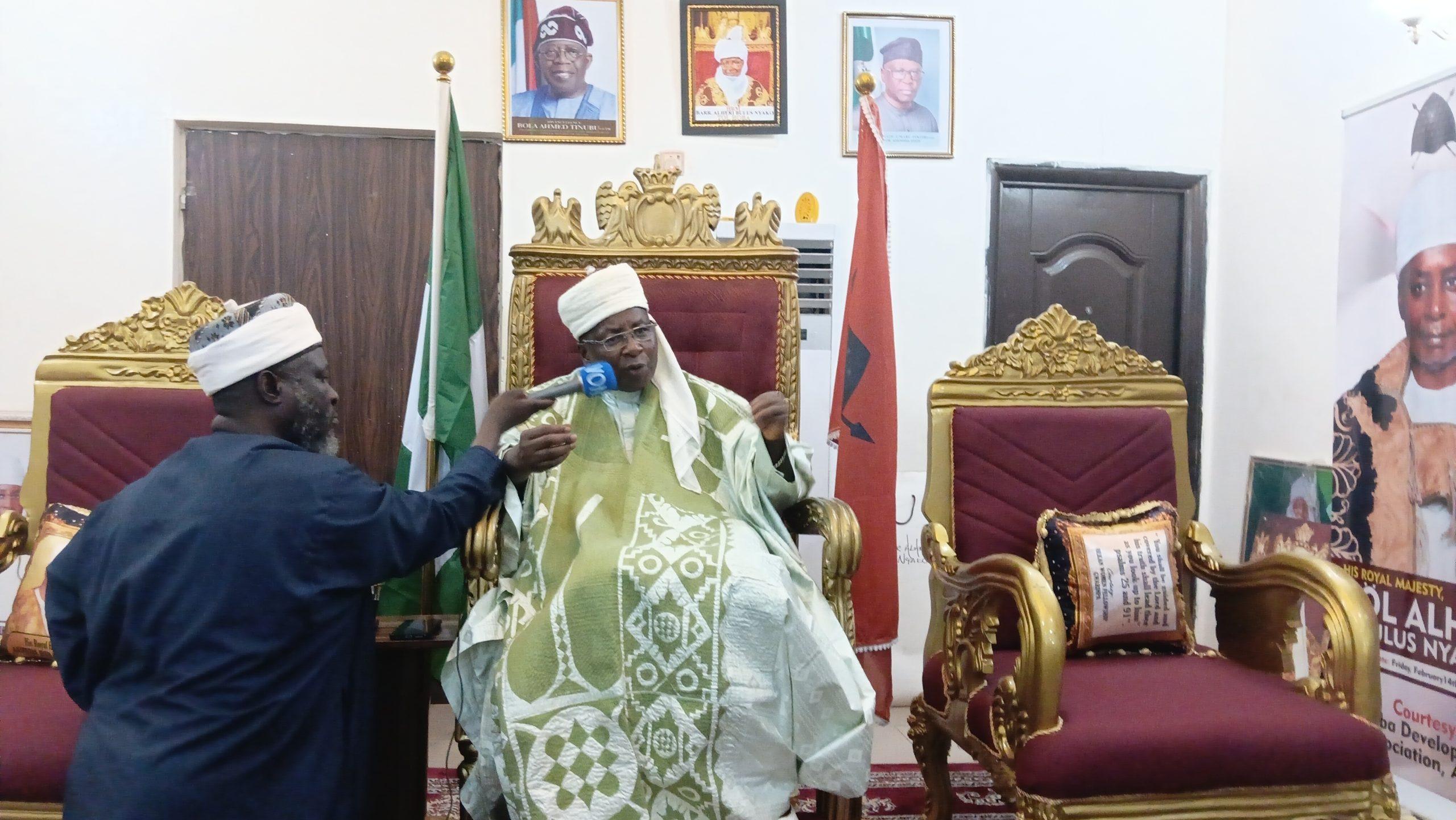
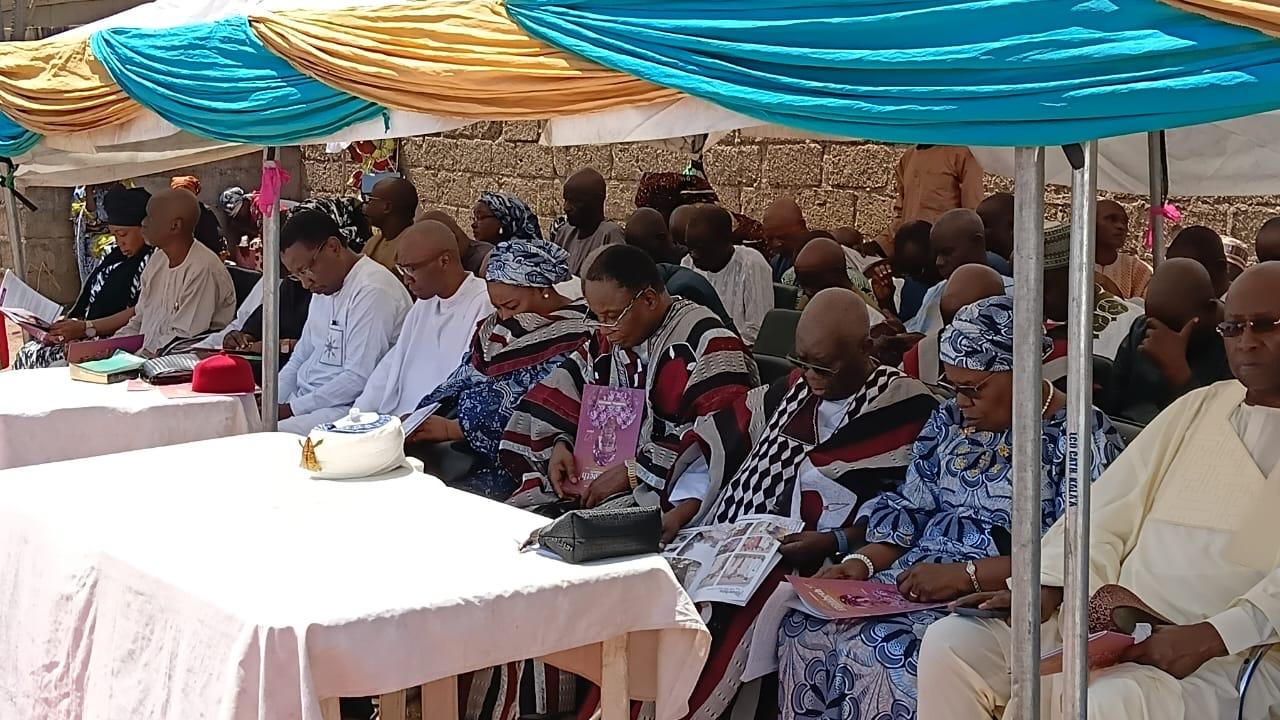
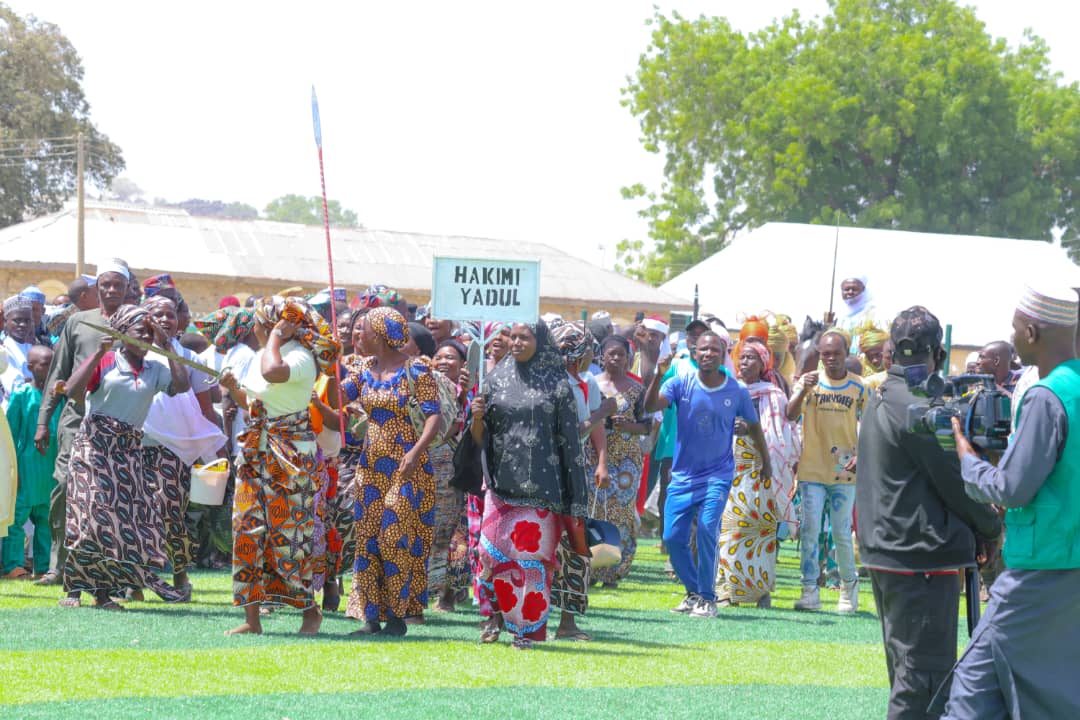
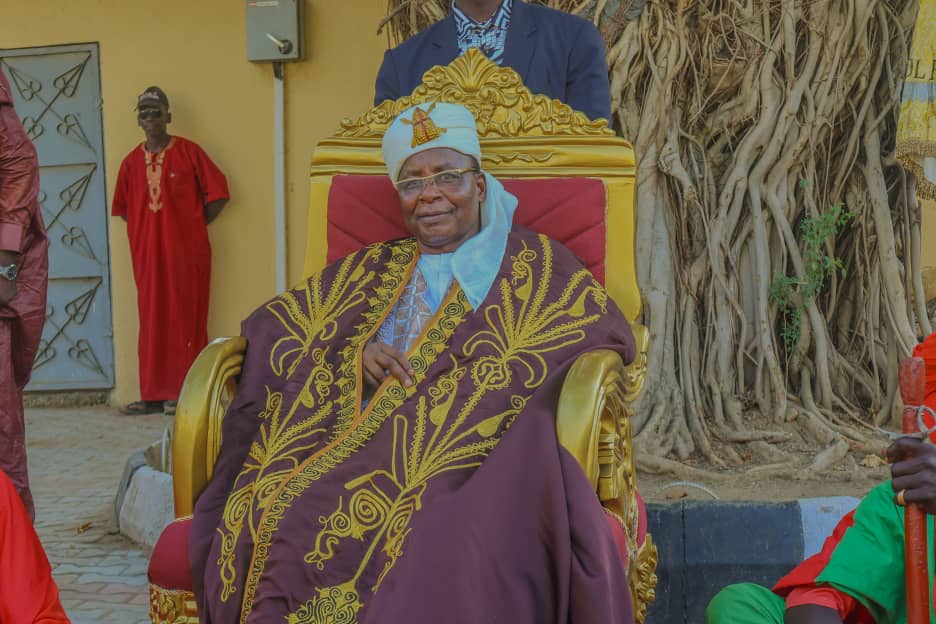
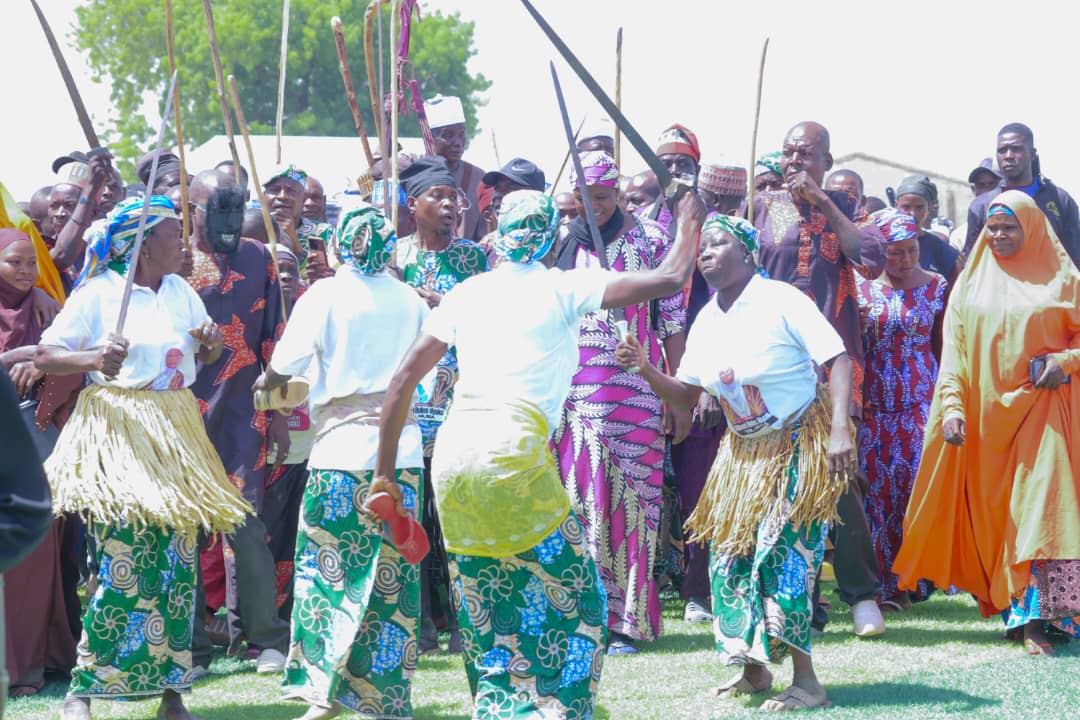
The Huba Chiefdom in Hong Local Government Area of Adamawa State in Northeast Nigeria is already charting a bold path in restoring cultural identity, strengthening local security, and driving grassroots economic growth.

This is barely a year after its formal establishment following the assent to legislation in December 2024. The chiefdom officially began operations on February 14, 2025, marking the realisation of a long-standing aspiration of the Huba people for recognition and self-determination.

For residents of the area, the creation of the chiefdom by the state Governor, Ahmadu Umaru Fintiri represents more than administrative restructuring, it signals a renewed sense of identity, unity, and collective purpose.

Reflecting on the first anniversary, the paramount ruler, the Tol Huba, His Royal Highness Alheri Bulus Nyako, described the past year as both “historic and transformative,” noting that “the chiefdom is not merely celebrating its existence but actively shaping its future.”

According to the Monarch, a three-point agenda anchored on unity, security, and development has guided the chiefdom’s early strides.

Strengthening Unity

A major highlight of the past year has been improved social cohesion across communities. In a region once marked by religious divides, the Monarch said “collaboration and mutual understanding are gradually replacing tension.”

In the Huba Chiefdom today, people of different faiths work together in harmony. That unity has become the bedrock upon which we are building progress,” Nyako said.

Security Challenges

Located near insurgency-prone areas bordering Borno State, the chiefdom has prioritised security through both government collaboration and community-based initiatives.

The Monarch cited the strengthening of military formations and the introduction of the Forest Guards Scheme as critical steps in addressing threats linked to insurgency.

At the local level, the chiefdom has introduced measures such as mandatory visitor registers across its 14 districts to monitor movement and enhance community vigilance.

Part of maintaining security is knowing who is within your community,” the Tol Huba explained, stressing that “the system ensures proper identification and accountability of residents and visitors.”

Plans are also underway to formalise documentation for non-indigenes in collaboration with immigration authorities, further tightening local security structures.

Driving Economic Growth

Beyond security, the chiefdom is making bold moves in economic development. A key milestone is the establishment of the Hong Chamber of Commerce, Industry, Mines and Agriculture, registered with the Corporate Affairs Commission.

The initiative positions Hong among the few local government areas in the country with such a structure, aimed at supporting entrepreneurs with funding, mentorship, and technical expertise.

The Monarch disclosed that “the chamber has already attracted significant financial commitments from stakeholders, exceeding its initial ₦500 million target.”

Our goal is to create opportunities for sustainable income and empower local businesses to thrive,” he said.

This ambition aligns with a broader vision to transform Hong into a hub of investment and innovation.

Infrastructure

Complementing economic initiatives is a solar electrification project targeting 15 communities, designed to improve livelihoods, support small businesses, and reduce unemployment.

The chiefdom has also embarked on an environmental campaign, mobilising communities for tree planting to combat degradation and promote sustainability.

In addition, a 30-year development plan unveiled during the anniversary celebrations outlines a community-driven roadmap for long-term growth and infrastructure development.

Looking Ahead

As the Huba Chiefdom enters its second year, the focus is shifting from establishment to consolidation, deepening unity, strengthening security, and expanding economic opportunities.

With unity, security, and the right economic structures in place, we are laying a foundation for lasting prosperity,” Nyako said.

For many residents, the first anniversary is not just a celebration of time passed, but a reflection of a people’s aspiration taking firm root through purposeful leadership and collective effort.

Defence Minister Pledges Sustained Military Pressure on Terrorist Groups

0

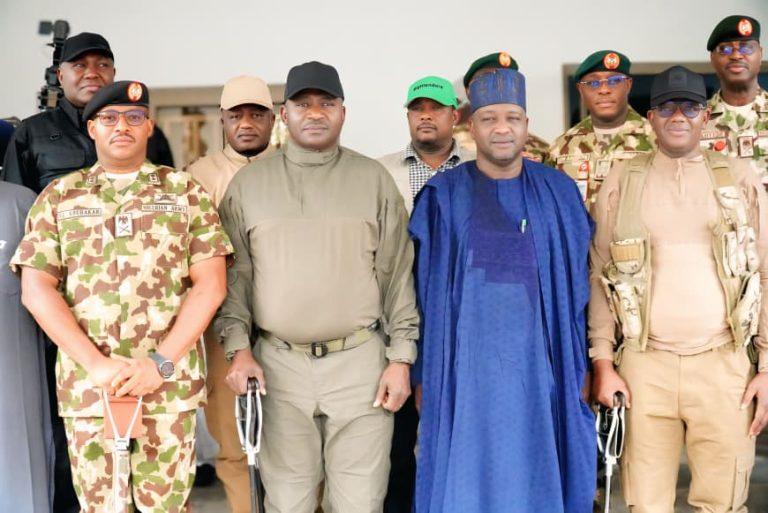
Nigeria’s Minister of Defence, General Christopher Musa (Retired) has conducted an operational assessment of the Joint Task Force (North East) Operation Hadin Kai (OPHK), reaffirming the Federal Government’s commitment to sustaining military pressure on terrorist groups in the region.

The visit on Tuesday alongside the Minister of State for Defence, Dr. Bello Muhammad Matawalle provided the ministers with a first-hand appraisal of ongoing counter-insurgency operations, strategic alignment with field realities, and an opportunity to engage critical stakeholders in Borno State.

The delegation began their engagements with a courtesy visit to the Shehu of Borno, His Royal Highness, Alhaji (Dr.) Abubakar Ibn Umar Garbai Al-Amin El-Kanemi, to acknowledge the traditional institution’s sustained support to the armed forces.

They later met with the Deputy Governor of Borno State, Honourable Umar Usman Kadafur, who represented Governor Babagana Umara Zulum, where they discussed strengthening collaboration between the military and the state government.

In a solemn tribute, the ministers visited the Military Cemetery in Maiduguri, laying wreaths in honour of fallen soldiers who paid the supreme price in defence of the nation.

At the Theatre Command headquarters, the ministers received a comprehensive operational briefing from the Theatre Commander, Major General Abdulsalam Abubakar.

According to a statement by the Theatre’s Media Information Officer, Lieutenant Colonel Sani Uba, the Theatre Commander highlighted significant milestones recorded through sustained operations.

Major General Abubakar noted that troops had neutralised over 280 terrorist elements during the Ramadan period, disrupted key logistics networks, and rescued several abducted civilians.

He assured the ministers of the troops’ high morale and their unwavering determination to defeat terrorism in the North East.

Addressing the press, General Musa commended the armed forces for their professionalism and the remarkable progress recorded, attributing the successes to improved coordination and resilience.

He reiterated the Federal Government’s resolve, under President Bola Ahmed Tinubu, to restore lasting peace across the country.

“The successes we are seeing are a testament to the improved coordination, resilience, and utmost professionalism of our troops

“The Federal Government remains committed to decisively addressing insecurity.” General Musa said.

The visit also featured the commissioning of a newly constructed Military Command and Control Centre, designed to enhance operational coordination and real-time intelligence fusion.

Additionally, the ministers inaugurated new family accommodation units for troops, an initiative funded by the Minister of Defence to boost personnel welfare and morale.

In a final address to troops, the ministers conveyed the President’s appreciation for their courage and steadfastness, charging them to sustain the operational momentum.

Lieutenant Colonel Sani Uba noted that the engagement concluded on a high note, with troops expressing renewed motivation through resounding cheers, reflecting their unwavering commitment to the mission.

The Armed Forces of Nigeria, through Operation Hadin Kai, continues to coordinate land and air operations to consolidate gains and work with stakeholders to achieve the total defeat of terrorism, paving the way for enduring peace and economic stability in the North East.

India Begins Population, Housing Census

0

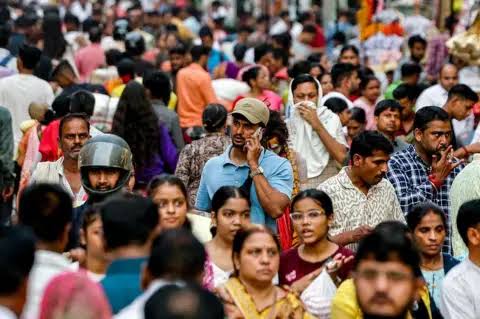
India on Wednesday began the 2026 National Population and Housing Census with three million officials to count over one billion people across the country, making it the first population headcount in more than 15 years.

The 2026 National Population and Housing Census is a two-phase exercise, billed as the world’s most ambitious of its kind, with more than three million officials to spend a year counting every person in India.

In these areas, self-enumeration will run from 1 to 15 April, followed by a house listing and housing survey between 16 April and 15 May.

According to the United Nations Population Fund, UNFPA, India is expected to overtake China in 2023 in terms of population, with more than 1.4 billion people.

The exercise has been described as “Billion-plus people” Census with 33 questions will span 36 states and federally-administered territories, more than 7,000 sub-districts, over 9,700 towns and nearly 640,000 villages, with fieldwork carried out by enumerators and supervisors – typically schoolteachers, government staff and local officials.

For the first time, the census will be conducted digitally, with enumerators using mobile apps to collect and upload data.

Authorities have introduced self-enumeration, letting residents submit details online via a 16-language portal that generates a unique ID for verification by census workers.

There will be two phases of physical door-to-door surveys.

The first phase, known as the House Listing and Housing Census, will gather information on housing conditions, amenities and household assets.

The second phase – population enumeration – is scheduled for February 2027 and will collect detailed data on demographics, education, migration and fertility.

It will also include caste enumeration, a politically sensitive issue that has long been debated.

India’s 16th census – the eighth since independence in 1947 – will also include caste data and is seen as crucial for policy, welfare delivery and political representation in the world’s most populous country.

With more than 1.4 billion people, India overtook China in 2023, according to the United Nations Population Fund.

Yet, falling fertility and a median age of 28 mean it remains one of the world’s youngest countries, with nearly 70% of its population of working age.

The last census was held in 2011, with the 2021 round delayed by the pandemic and later pushed back further due to administrative and electoral scheduling – the first time the decennial exercise missed its schedule.

From its origins as a rudimentary headcount under colonial rule, India’s census questionnaire has steadily expanded in scope, mirroring the state’s changing priorities.

The first attempt in 1872 contained 17 questions and was essentially a house register – recording who lived where, along with basic markers such as age, religion, caste and occupation.

By 1881, when the first synchronous nationwide census was conducted, the template had stabilised around identity (name, gender, marital status), social markers (caste, religion, language) and rudimentary education and disability categories.

Over the next decades, questions on language, literacy and occupation were refined, adding secondary work and dependency details.

English proficiency – a colonial preoccupation – was one of 16 questions in the 1901 census.

A shift began with the 1941 census, when its 22-question schedule moved from “who you are” to also “how you live”.

Fertility, employment status, economic dependency, migration and job search entered the frame, signalling a growing administrative focus on economic behaviour.

After independence, this widened further: the 1951 and 1961 rounds incorporated nationality, displacement (in the shadow of Partition), land ownership and more work categories.

From the 1970s onwards, the census took on a distinctly socio-economic lens.


National Tourism Stakeholders’ Forum Holds in Abuja

The National Tourism Stakeholders’ Forum, themed “Shaping the Future of Nigerian Tourism Together,” is ongoing in Abuja, Nigeria’s capital.

Stakeholders under the auspices of the National Tourism Stakeholders converged to discuss diverse ways to harness and revamp the tourism sector in the country.

The Director General of Nigerian Tourism Development Authority (NTDA), Dr. Ola Awakan, who declared it open, said: “The forum is a strong demonstration of our collective resolve and shared commitment to repositioning tourism as a critical pillar of Nigeria’s economic diversification, cultural promotion, and global engagement.”

READ ALSO: Lagos Intensifies Push to Attract Foreign Investors Through Tourism

The Director-General of NTDA also said his appointment, “became imperative” to work with partners for a collective drive to transform Nigeria’s tourism sector.

“This forum is not merely a ceremonial gathering; it is a strategic convergence point designed to foster dialogue, strengthen alignment, and catalyse actionable outcomes for the growth of the tourism sector.” He said.

Notably, this National Tourism Stakeholders’ Forum represents the very first of its kind at the national level, although zonal stakeholders’ engagements and facilitation meetings have been held at various times across the country.

The Director General noted that, “Tourism, both globally and within our national context, thrives on a tripod framework consisting of attractions, hospitality, and transportation.”

He explained that “Attractions represent our rich natural endowments, cultural heritage, festivals, and creative assets; hospitality defines the quality of experiences and services we provide to visitors; while transportation ensures accessibility, connectivity, and ease of movement across destinations.” 

The effectiveness of Nigeria’s tourism sector is therefore dependent on how well these three pillars are developed, integrated, and managed.

He added that, “the Stakeholders forum provides a unique opportunity to harmonise stakeholder efforts, identify critical gaps, and co-create sustainable strategies that will strengthen these foundational elements. Nigeria is undeniably endowed with immense tourism potential”.

“From our diverse ecological landscapes to our vibrant cultural expressions and globally recognised creative industry, we possess the assets required to become a leading tourism destination.” He said.


Nigeria Evacuates Stranded Citizens From Niger Republic

0

The Nigerian Ministry of Foreign Affairs has successfully evacuated and ensured the safe return of stranded Nigerian nationals from the Niger Republic.

A statement by the spokesperson of the Foreign Affairs Ministry, Kimiebi Ebienfa, in Abuja, said the coordinated humanitarian exercise underscores the Nigerian Government’s unwavering commitment to the protection, welfare, and dignity of its citizens abroad.

‘The evacuation operation, facilitated by the Ministry of Foreign Affairs in collaboration with relevant national and international partners, led to the voluntary repatriation of a total of 1,230 Nigerians’.

The Ministry worked closely with the International Organisation for Migration, whose logistical and technical support proved invaluable in ensuring the smooth execution of the exercise.

This partnership reflects Nigeria’s continued engagement with international organisations in addressing migration-related challenges in a humane and orderly manner”.

The returnees were transported in two batches: the first group of 708 individuals arrived on March 23, 2026, while the second batch of 522 individuals arrived on March 29, 2026.

The returnees were received by a multi-agency team comprising officials from the National Commission for Refugees, Migrants, and Internally Displaced Persons, the National Agency for the Prohibition of Trafficking in Persons, the National Emergency Management Agency and the Nigeria Immigration Service and the Nigeria Security and Civil Defence Corps. Others included the present were representatives from the Kano State Emergency Management Agency, the International Committee of the Red Cross, the Nigeria Police Force and the Department of State Services, alongside officials of the Kano and Katsina State governments.

The presence and active participation of these agencies ensured a well-coordinated reception process, highlighting the importance of inter-agency collaboration in responding effectively to humanitarian situations. The Foreign Affairs Ministry commends all stakeholders for their professionalism, dedication, and commitment to service”.

The Ministry is pleased to report that, upon completion of the necessary processes, the evacuees were safely discharged and reunited with their respective families. This outcome reflects the Government’s emphasis not only on evacuation but also on the humane treatment and reintegration of returning citizens.

The evacuation exercise is part of the Nigerian government’s broader responsibility to safeguard Nigerians wherever they may be. It also demonstrates Nigeria’s proactive approach in responding to emerging situations that may pose risks to its citizens abroad.

The Foreign Affairs Ministry remains vigilant and continues to monitor developments in the region while engaging diplomatically with relevant authorities to ensure the continued safety of Nigerians.

The Ministry of Foreign Affairs reiterates its appreciation to the Government of the Republic of Niger for the cooperation extended during the evacuation process. Such collaboration reinforces the longstanding bilateral relations between both countries and the shared commitment to regional stability and humanitarian principles.

Furthermore, the Ministry of Foreign Affairs acknowledges the critical role played by international partners, particularly the International Organisation for Migration and the International Committee of the Red Cross, whose support contributed significantly to the operation’s success. Their continued partnership remains vital in addressing migration and humanitarian concerns in a coordinated and sustainable manner.

Nigerian citizens residing abroad are advised to remain law-abiding, adhere strictly to the laws of their host countries, and maintain regular contact with Nigerian diplomatic missions for guidance and support”.

The Ministry of Foreign Affairs also encourages Nigerians to register with the nearest Nigerian Embassy or Consulate to facilitate timely assistance in emergency situations.


Governor AbdulRazaq Denies Endorsing Any Successor

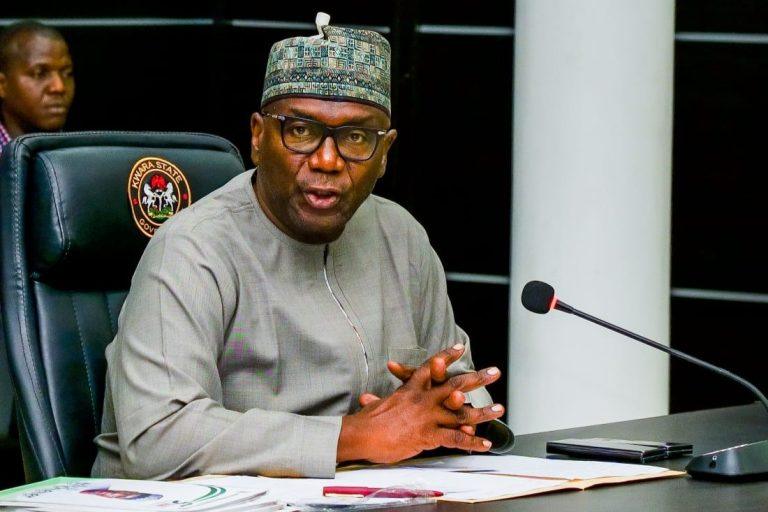
Governor AbdulRahman AbdulRazaq of Kwara State, North Central Nigeria, has denied claims that he has endorsed or submitted the name of any aspirant to succeed him, urging party members and stakeholders to disregard what he described as false reports.

The position of the Governor, who is a member of All Progressive Congress (APC) was conveyed in a statement issued by his Special Adviser on Media, Bashir Adigun, who said the allegation was malicious and aimed at blackmailing the Governor.

Adigun said there was no basis to the claim that any aspirant’s name had been forwarded to the President as the preferred candidate for the 2027 governorship election.

“We reject the blackmail outright. It is false to suggest that the governor has submitted the name of any aspirant. Members and leaders of our party should ignore it,” he said.

He called on party stakeholders to remain focused and not be distracted by what he termed unfounded insinuations, stressing that the political process remains open and competitive.

According to him, all aspirants should market their ambitions through legitimate means rather than resorting to smear tactics.

“We urge party members and stakeholders to ignore the claims. All aspirants are encouraged to sell their legitimate aspirations to all relevant stakeholders. The time, energy, and resources being spent to blackmail others can be channelled into more productive efforts,” Adigun added.

The development followed growing speculations within political circles in the state over possible successors to Governor AbdulRazaq ahead of the 2027 elections, with different interest groups pushing narratives around alleged endorsements.

However, the governor, through his aide, maintained that he has not anointed any candidate and remains committed to allowing a fair and transparent process for all aspirants within the party.

It would be recalled that Governor AbdulRazaq recently disclosed that at least six aspirants within the APC are interested in succeeding him when his second term expires in May 2027.

Speaking during the party’s state congress in Ilorin, AbdulRazaq said the ruling party already had multiple aspirants jostling for the ticket but stressed that he had no anointed candidate.

Among those who have publicly declared their ambition are Senator Lola Ashiru, Senator Umar Sodiq Suleiman and Ambassador Yahaya Seriki.

Speaking during the recently held State Congress, the Governor said:

“For those who will contest and whoever eventually emerges, it is not about anyone anointing anybody.

“We are not here to build a dynasty; we are here to build a legacy. Whoever succeeds me will build on this foundation and strive to do better,” he said.

Although he did not directly address zoning, his remarks were widely interpreted as a response to succession debates, particularly calls for power rotation among the three senatorial districts.

He stressed that whoever eventually succeeds him would emerge through the party’s democratic process, urging aspirants to maintain unity and healthy competition ahead of the party primaries expected to precede the 2027 elections scheduled by the Independent National Electoral Commission (INEC).

Eight Kano Lawmakers Defect to APC from NNPP

Kano State Governor, Abba Yusuf, has witnessed a major political shift at the National Assembly in Abuja as eight members of the House of Representatives from Kano State formally defected from the New Nigeria Peoples Party (NNPP) to the All Progressives Congress (APC).

The development was disclosed in a statement issued by the governor’s spokesperson, Sunusi Bature Dawakin Tofa.

The defections were officially announced during plenary presided over by the Speaker of the House, Tajudeen Abbas, who read separate letters from the lawmakers explaining their decision.

According to the letters, the legislators cited the lingering internal crisis within the NNPP as the primary reason for their move to the APC.

The lawmakers involved in the defection include Tijjani Abdulkadir Jobe (Dawakin Tofa/Rimin Gado/Tofa), Garba Ibrahim Diso (Gwale), Hassan Shehu Hussain (Nassarawa), Idris Dankawu (Kumbotso), Muhammad Chiroma Nalaraba (Gezawa/Gabasawa), Barr. Rabiu Yusuf (Takai/Sumaila), Dr. Ghali Mustapha Tijjani (Albasu/Gaya/Ajingi), and Barr. Muhammad Bello Shehu (Fagge).

Read Also: VP Shettima Receives Kano Governor into APC 

The high-profile event drew the presence of key political figures, including former Kano State Governor, Abdullahi Umar Ganduje, and Deputy Senate President, Barau Jibrin, alongside other party leaders and stakeholders.

Reacting to the development, Governor Yusuf described the defections as part of the democratic process, noting that political realignments are a common feature in a vibrant democracy.

He reiterated his administration’s commitment to delivering the dividends of democracy to the people of Kano State, regardless of political affiliations.

He stressed the importance of unity and cooperation among elected representatives for the state’s overall development.

Ex-Information Minister, Maku Decamps to SDP

A former minister of Information and  former Deputy Governor of Nasarawa State, Labaran Maku, has defected from the People’s Democratic Party (PDP), to the Social Democratic Party (SDP).

He pledged to galvanise support for the party ahead of the 2027 general election.

Maku made the disclosure while briefing journalists alongside SDP officials in his residence at Wakama, in the Nasarawa Eggon Local Government Area of the state.

He said that he decided to join the party in order to add value and contribute his quota positively to the development of the party in the state, and the country at large.

“I have joined the SDP in order to contribute my quota to the success of the party. I will develop the party by God’s grace.”

The former minister, who took his time to outline his achievements in the area of employment, empowerment, infrastructural development among others, during his time as a Commissioner, Deputy Governor and Minister, assured the party officials that he would work for the victory of the SDP before, during and after the 2027 elections.

“Today, I called you to let you know that I have pitch my tents with the Social Democratic Party. I have chosen SDP to honour the memories of late MKO Abiola and late Senator Godiya Akwashiki, the best Senator that Nasarawa North and Nasarawa State at large ever produced.

“Senator Godiya Akwashiki has a signature project in communities across Nasarawa North Senatorial District. I am proud of him because he performed well while he represented us at the National Assembly.”

While noting that the party currently has supporters across the 13 LGAs of the state, Maku assured that his coming to the party would further boost its support-base.

He noted that so many politicians vying for elective positions under the party will emerge victorious during the forthcoming elections.

Vacant Seat
He said he is ready to answer the party and the people’s call to contest for the vacant senatorial seat of Nasarawa North, following the demise of Senator Godiya Akwashiki, when the Independent National Electoral Commission gives a go-ahead for the by-election.

“I am ready to do any assignment given to me by my party and people of the senatorial district. I will not say no to them,” he said.

Ahead of the 2027 elections, Maku further advised State Governors against imposition of candidates to succeed them, in the interest of good governance in the country.

The former minister also called on the people of the state to continue to unite and embrace peace for the overall development of the state.

On his part, the Zonal Chairman of SDP in the Nasarawa North Senatorial District, Mohammed Audu, commended Labaran Maku for joining the party.

He assured the former minister of equal rights and privileges in the party for all members and intending members.

Meanwhile, in his registration letter addressed to the PDP chairman of Wakama Electoral Ward in the Nasarawa Eggon LGA, Maku expressed gratitude to the party for the opportunity to serve in various capacities while being a member of the PDP.