An Epidemiologist in Anambra State, Dr. Chukwuma Emembolu has called for stronger systems to prevent and control disease outbreaks, warning that gaps in surveillance and reporting could weaken public health response.
Dr. Emembolu said there is a need to strengthen what he described as “health security systems,” the basic structures that help health authorities detect diseases early, report them quickly, and respond in a coordinated way.
He explained that “these systems include how health workers monitor illnesses in communities, how information is shared from clinics and hospitals, and how quickly response teams act when there is an outbreak.”
According to him, “delays in reporting health cases, weak monitoring, and poor coordination among health agencies could allow diseases to spread before they are controlled.”
He stressed that the primary healthcare system, which is usually the first place people go when they are sick, plays a key role in identifying health problems early and stopping outbreaks before they become widespread.
Dr. Emembolu urged improved cooperation among health workers and better data reporting systems to strengthen Nigeria’s ability to prevent and manage public health threats.
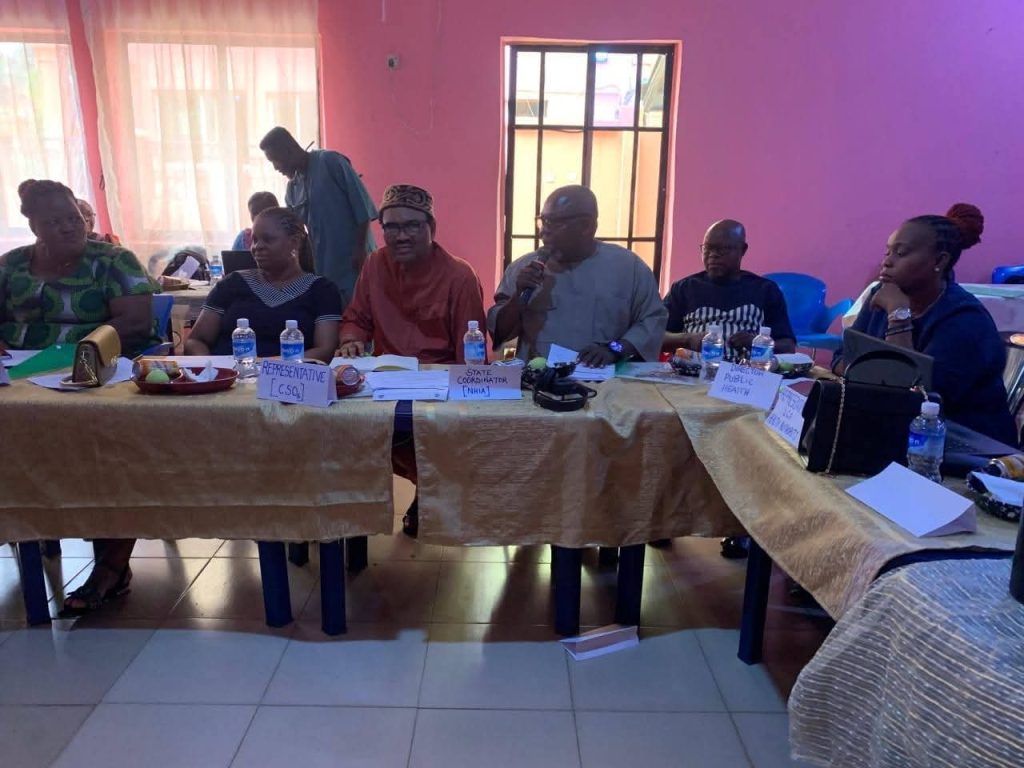
Dr Emembolu noted that the work of Disease Surveillance and Notification Officers across local government areas has improved data collection and response capacity but requires sustained reinforcement.
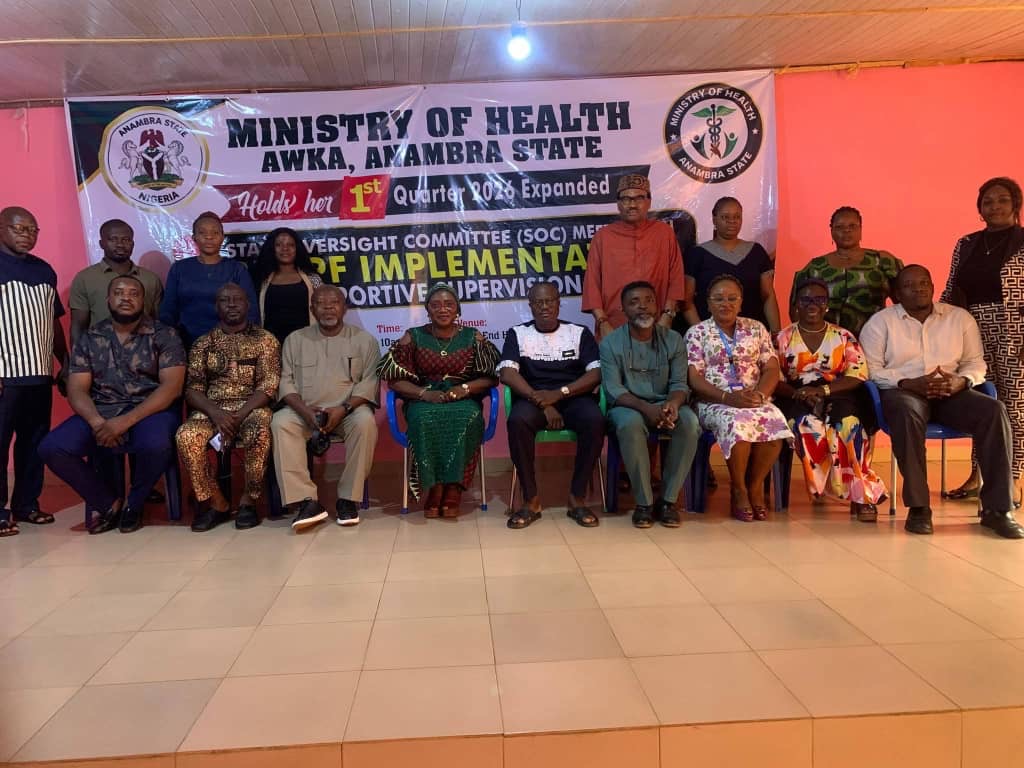
His comments came during a one-day first-quarter 2026 Expanded State Oversight Committee meeting on the Basic Healthcare Provision Fund (BHCPF) convened by the Anambra State Ministry of Health to assess implementation, accountability and performance in primary healthcare delivery.
The meeting, chaired by Permanent Secretary Obiageli Uchebo, reviewed findings from supervisory visits to at least 20 primary healthcare facilities across the state.
Participants included representatives from the Anambra State Health Insurance Agency, State Hospital Management Board, Nigeria Health Insurance Authority, World Health Organization, Nigeria Primary Healthcare Development Agency, civil society organisations and the Ministry of Finance.
Inspection reports presented at the meeting highlighted conditions across facilities, including infrastructure, security, availability of drugs and equipment, service delivery, staff attendance and financial management.
Officials said “the review identified both improvements and persistent gaps in co-ordination and workforce efficiency.”
Stakeholders at the meeting emphasised that effective use of BHCPF resources is critical to strengthening health systems, improving routine care and enhancing outbreak preparedness.
Ngozi Okeke, Director of Awka South Local Government Area and senior official at the Anambra State Primary Healthcare Development Agency, outlined ongoing efforts to expand access to services and improve implementation of the BHCPF at the grassroots level.
The Managing Director of the Anambra State Health Insurance Agency, Augustine Ezeaka Uwaeme, said “over 10,000 residents have been enrolled in the state health insurance scheme, with plans underway to expand coverage to more vulnerable populations.”