

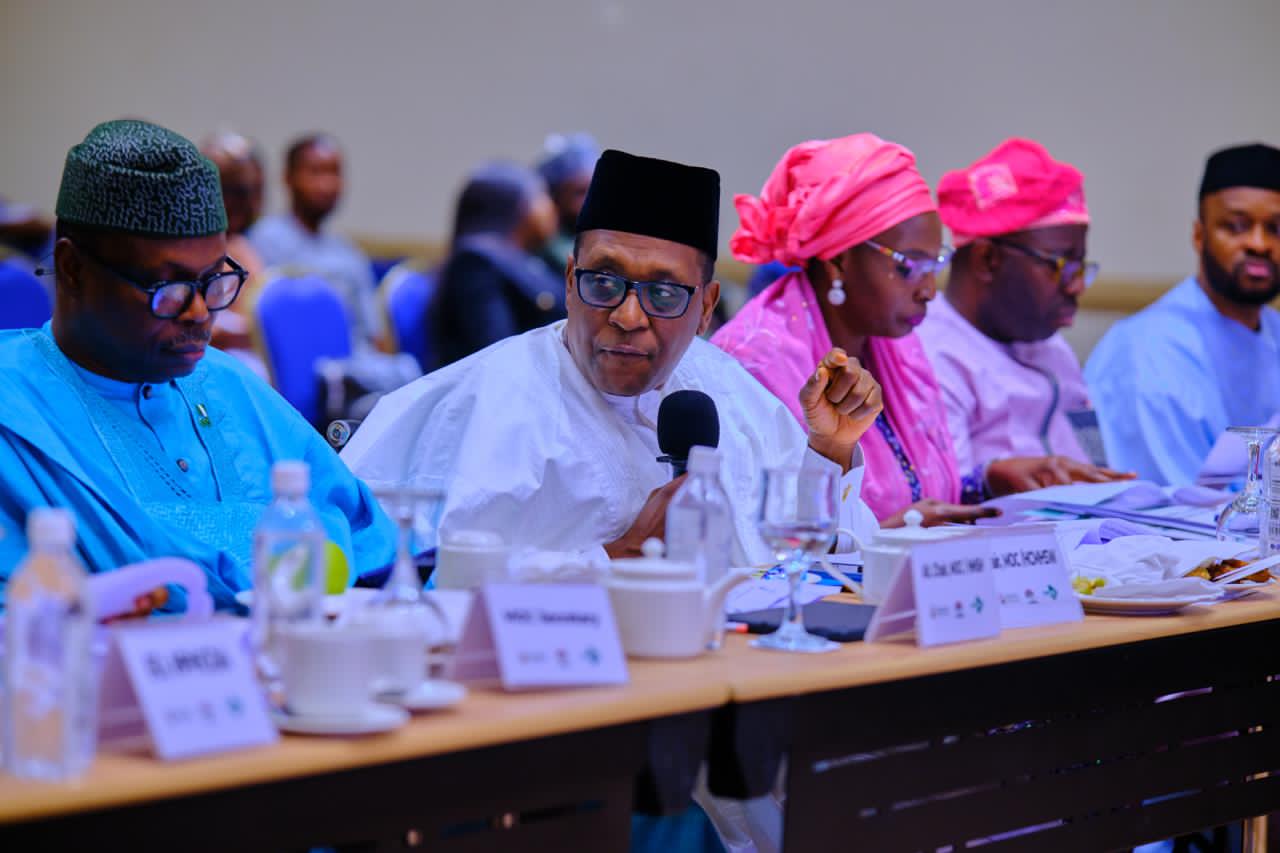
The Nigerian government has approved the disbursement of over N32 billion under the Basic Healthcare Provision Fund (BHCPF) to strengthen primary healthcare services and expand facilities across the country.
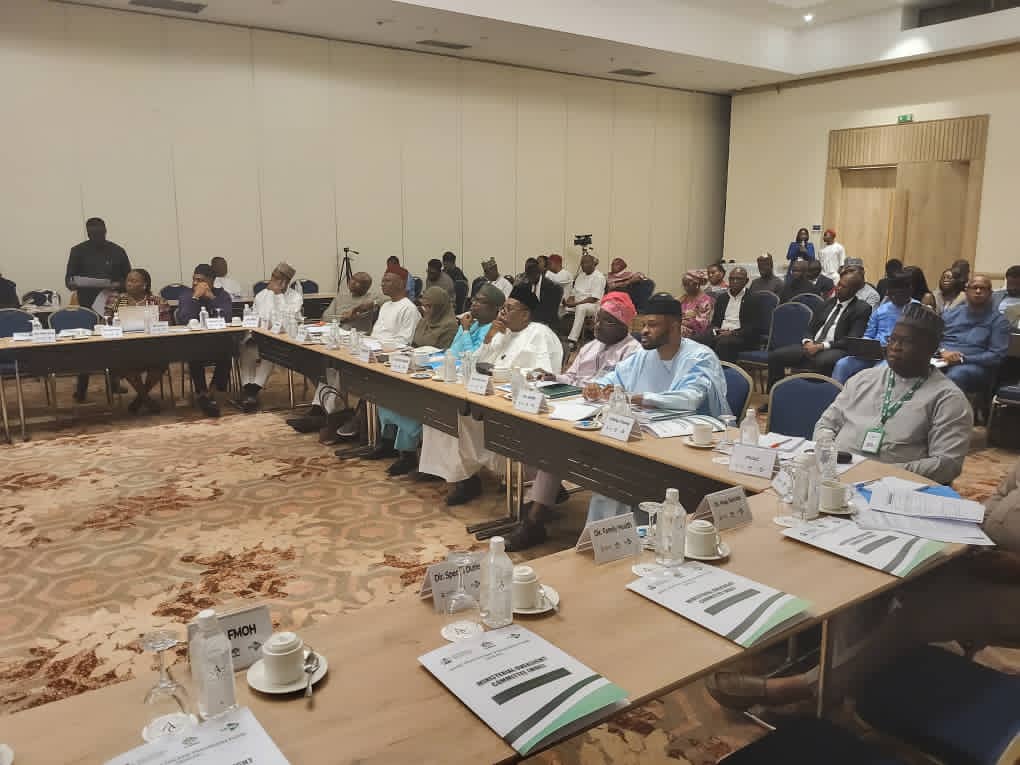
The approval was granted at the 14th meeting and first quarter of the 2026 session of the Ministerial Oversight Committee (MOC) of the BHCPF, held in Abuja.
In a statement by the assistant director of press, Addo Bako, the coordinating minister of health and social welfare, Professor Ali Pate, said, “The fund remains a key financing mechanism aimed at ensuring predictable healthcare funding, reducing out-of-pocket expenses, and improving access to quality services, especially for vulnerable populations.”
At the meeting, gateway agencies, including the National Health Insurance Authority (NHIA), National Primary Health Care Development Agency (NPHCDA), and Nigeria Centre for Disease Control (NCDC), presented updates on implementation progress.
Representatives from the Association of Local Governments of Nigeria (ALGON) and civil society organisations (CSOs) also shared field-level insights, highlighting improvements in service delivery, public health responses, and financial protection.
A major highlight of the meeting was the accelerated rollout of BHCPF 2.0 under the Sector-Wide Approach (SWAp), which aligns healthcare financing, service delivery, and accountability systems to improve outcomes nationwide.
This is in line with the Nigeria Health Sector Renewal Investment Initiative (NHSRII).
The committee also reviewed priority interventions such as the Maternal and Neonatal Mortality Reduction Initiative (MAMII), HOPE Primary Healthcare programme, and the National Health Fellows Programme (NHF), all aimed at strengthening healthcare delivery, workforce capacity, and leadership within the sector.
Progress reports on the National Emergency Medical Services and Ambulance System (NEMSAS), as well as maternal and child health indicators, were also assessed, with a focus on improving emergency response and lifesaving care.
Professor Pate said, “The government is aligning healthcare financing with measurable outcomes.” He noted that the BHCPF 2.0 framework ensures that resources directly translate into improved service delivery, particularly at the primary healthcare level.
Also speaking, the Minister of State for Health and Social Welfare, Dr. Iziaq Salako, emphasised that the initiative is already delivering visible results, including safer deliveries, an improved emergency response, and more functional primary healthcare centers.
Addressing journalists after the meeting, he expressed optimism about the progress recorded in the health sector under the current administration.
Salako said, “Improvements have been observed in healthcare utilisation, maternal mortality, and immunisation coverage, with funds reaching health facilities more efficiently.”
He disclosed that the government plans to expand the BHCPF to cover an additional 5,000 primary healthcare facilities, ensuring that more centers benefit from direct funding.
The minister also revealed that tariff rates for emergency ambulance services are being reviewed upward to support both public and private providers.
Salako said that the policy of free emergency obstetric care has significantly impacted lives, with over 40,000 women already benefiting from reimbursements.
He said, “More than 4,000 women have also received treatment under the free fistula programme, while neonatal care reimbursements are gradually being implemented,” noting that the Comprehensive Emergency Management of Obstetric Services (CEMOS) is yielding positive results.
He further highlighted Nigeria’s progress in disease outbreak control, stating that over 200 outbreaks recorded in the past year were swiftly contained.
He also pointed to the success of immunisation efforts, with more than 102 million children vaccinated during the country’s largest integrated measles and rubella campaigns.
The government reiterated its commitment to improving maternal and child health outcomes while advancing towards universal health coverage through sustained investment and strategic reforms in the health sector.