


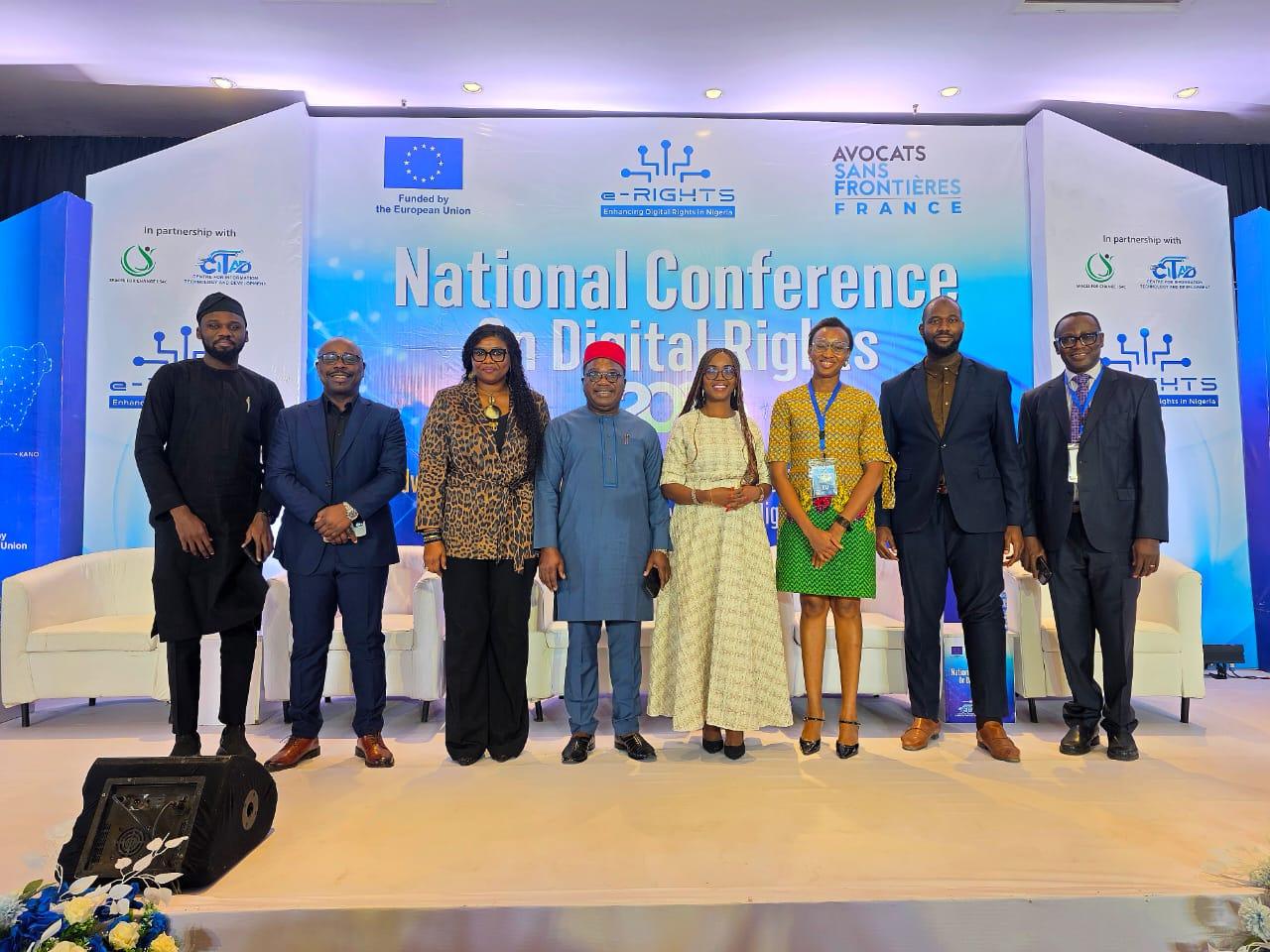
Stakeholders at the National Conference on Digital Rights 2026 have called for stronger protection of digital rights, and the need to balance national security with the protection of fundamental human rights in the digital space.
Speaking at the conference held in Abuja, the Country Director of Avocats Sans Frontières–France (ASF), Lawyers Without Borders in Nigeria, Angela Uzoma-Iwuchukwu, said the timing of the conference was deliberate.
“2026 is the lead up to the general elections in Nigeria, this is the best time to begin to have the conversation about digital rights, which means enjoyment of our traditional human rights as we have always known it offline, now on digital platforms,” she noted.
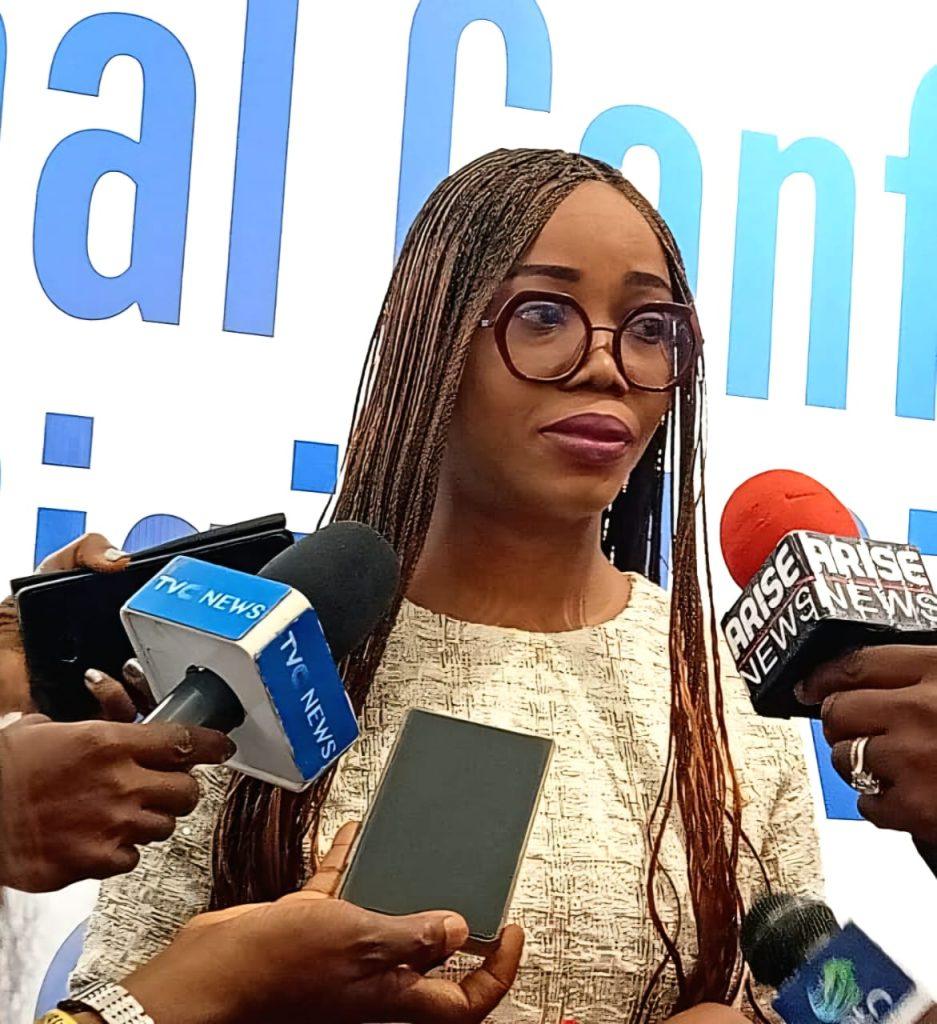
Uzoma-Iwuchukwu said digital platforms would be heavily used for governance participation, campaigning, and civic engagement ahead of the elections, expressing concerns over censorship, self-censorship, and surveillance.
“Our screens matter, our privacy matters, our data matters. Digital evolution should enhance our enjoyment of human rights and never impair it. We see various kinds of challenges that are coming up, pushing persons to self-censor themselves,” she said.
She disclosed that the e-Digital Rights Project had so far focused on building digital resilience for journalists, training the judiciary, empowering lawyers, and litigating digital rights cases at national and regional levels.
She added that “the project was now consolidating legislative advocacy, including support for the proposed Artificial Intelligence Bill and the review of the Cybercrimes Act.”
Delivering a goodwill message, the Executive Secretary of the National Human Rights Commission, Dr Tony Ojukwu, reaffirmed the Commission’s commitment to partnerships aimed at mainstreaming digital rights into all facets of governance to reduce inequalities and advance freedoms.
He described the protection of digital rights as “a cornerstone of human dignity and democratic governance.”
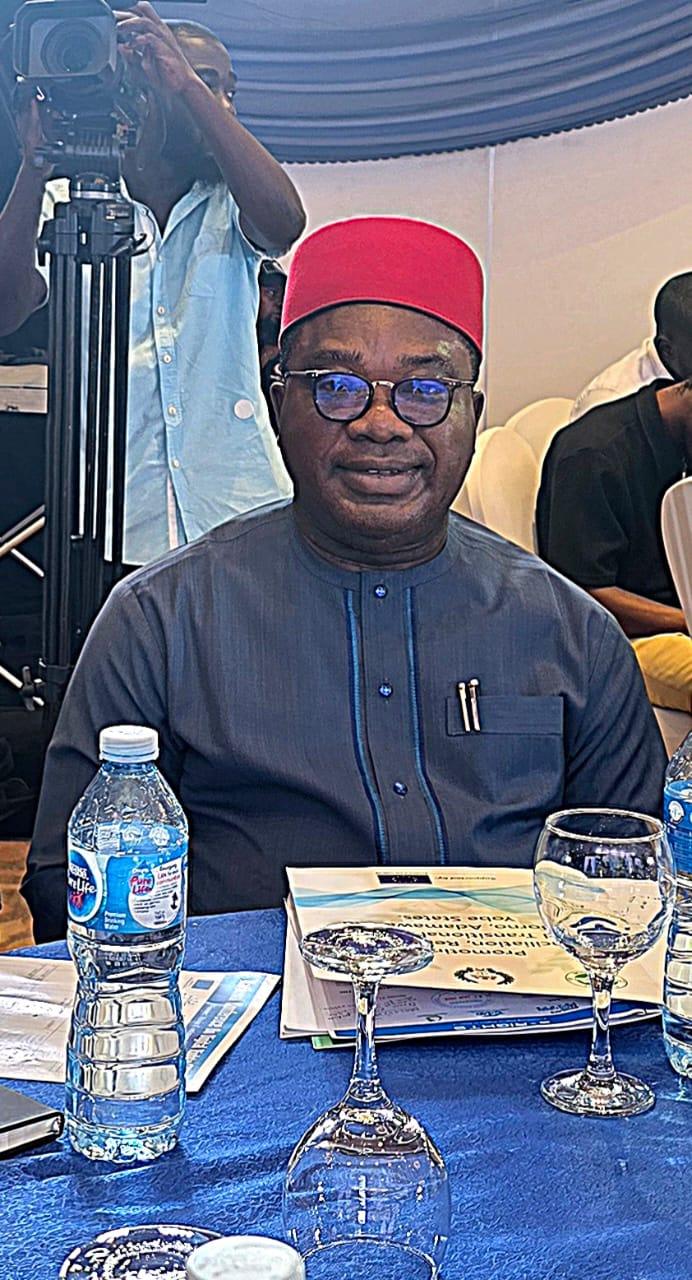
Dr Ojukwu cautioned that misuse of personal data, cyber harassment, and defamation had become everyday violations of rights, stressing the need for accountability, transparency, and inclusive digital governance.
Representing the National Commissioner and Chief Executive Officer of the Nigeria Data Protection Commission, Dr Vincent Olatunji, Legal Officer Olamilekan Bakare said the conference theme, “Advancing Digital Rights: Fortifying governance, expanding access, and safeguarding civic freedom in a digital society,” aligned with the Commission’s ongoing 2026 National Privacy Week theme, “privacy in the era of emerging technologies, trust, ethics, and innovation.”
He noted that “the protection of digital rights remains fundamental to building public trust, promoting ethical innovation, and ensuring inclusive access to digital opportunities.”
Representing the Internet Society of Nigeria, Kunle Olorundare raised concerns about data sovereignty, emphasising that “privacy is a right, not a privilege,” and described digital rights as “the fundamental freedom of our time.”
“Are the Nigerian people the master of their own data or merely the products within it?” he queried, adding that “safeguarding civic freedoms online is the only way to ensure a vibrant, transparent Nigeria.”
In separate interviews with Voice of Nigeria, the Executive Director of Spaces for Change, Victoria Ibezim-Ohaeri, said digital rights were human rights and urged Nigeria to take digital sovereignty seriously.
“Nigeria is the giant of Africa and we need to start thinking like a giant. We should be thinking about building Nigeria’s own Silicon Valleys, not just in Lagos, in Abuja, in Kano, in Enugu, in all our commercial centres, creating jobs for our young people, creating more employment and also bolstering the economy,” she said.
Human rights activist Aisha Yesufu called for national provision of internet infrastructure, noting that governments often prioritized “regime protection rather than citizens protection.”
Also, Chinedu Agu a participant from the South East, expressed concerns about Nigeria’s digital rights freedom and called on the judiciary to provide the “guardrails” that safeguard the digital rights of journalists, human rights crusaders, and Nigerians expressing views online.
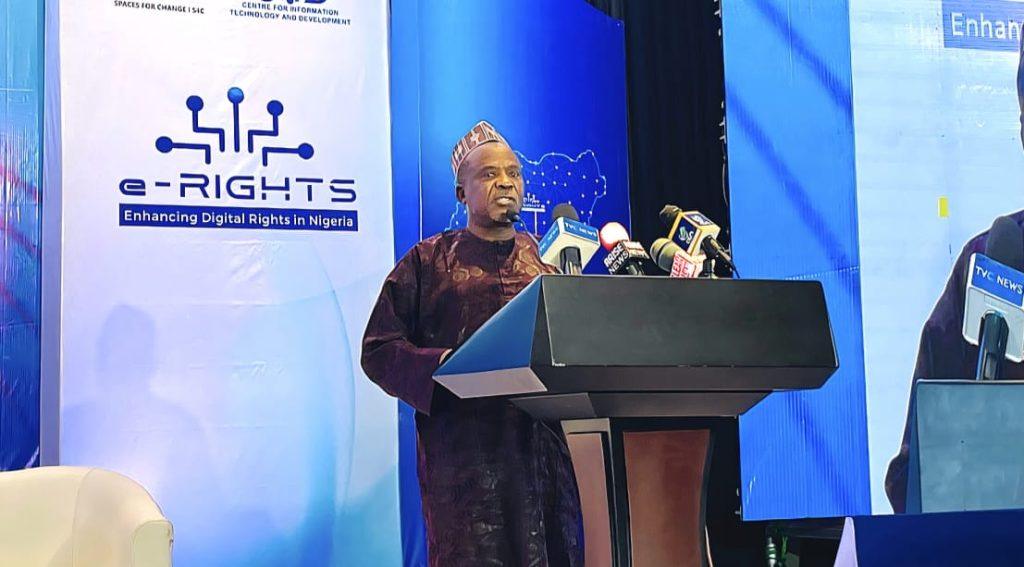
Similarly, the Executive Director of the Centre for Information Technology and Development (CITAD), Dr Yunusa Zakari Ya’u, said stakeholders were determined “to push the frontiers of digital rights in Nigeria,” warning that restricting digital organising could force citizens onto the streets.
“We are calling on governments that it is in all its interest to create the necessary space for young people, particularly the Gen Z,” he said.
The National Conference on Digital Rights was convened under the European Union-funded e-Rights Project, implemented by Avocats Sans Frontières France in partnership with Spaces for Change and CITAD.