
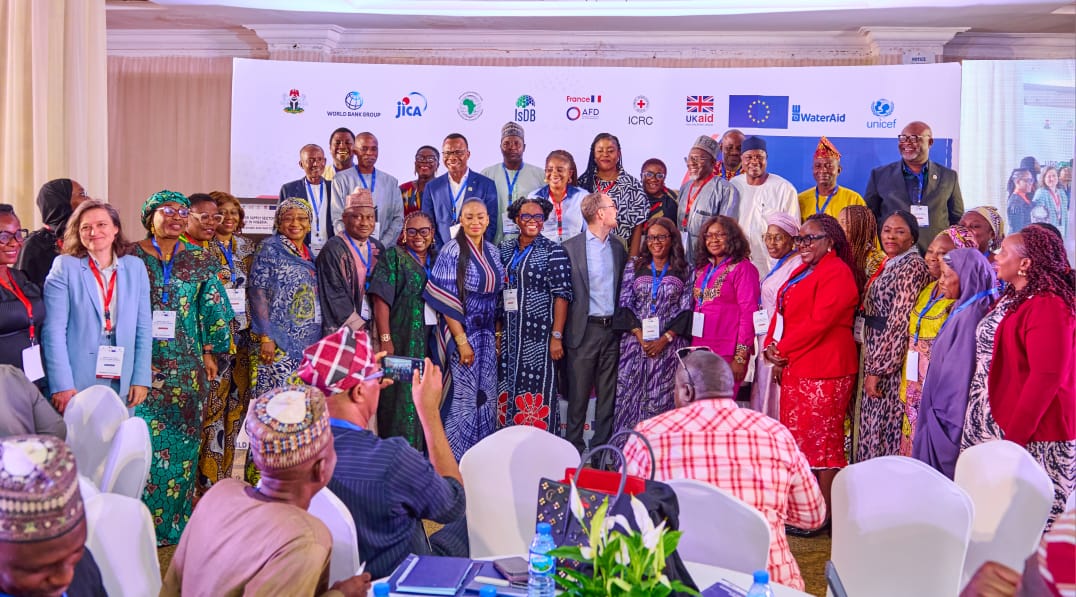
Water governance and utility reforms dominated discussions as stakeholders from 25 States gathered in Abuja to explore practical solutions for improving access to clean and sustainable water across Nigeria.
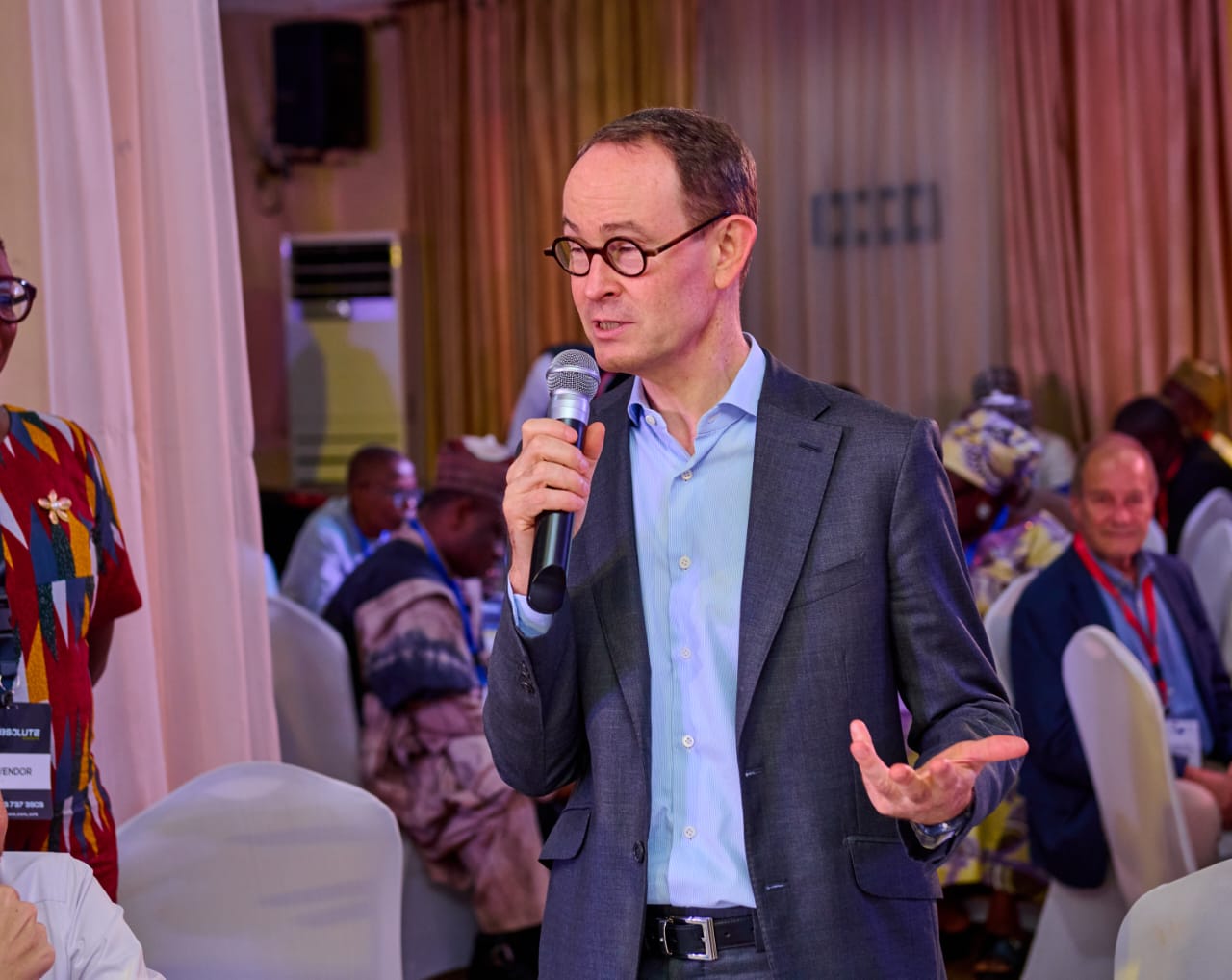
Speaking at a two day workshop organised by the Federal Ministry of Water Resources and Sanitation in collaboration with Development partners Group in Abuja, the Country Director of the French Development Agency, Agence Française de Développement (AFD), Jacky Amprou, said the gathering was designed to foster peer learning among states, draw lessons from international experiences and discuss access to water population by the 25 states represented.
Amprou noted that AFD is supporting water projects in several states, including Kano, Enugu, Plateau and Ondo, stressing that governance reforms are as critical as infrastructure investments.
He said; “The main takeaway is really to share experiences and to discuss the governance of the sector, especially the issue of costs recovery and how we can make sure that we have sustainable water infrastructure and secure, on the long run, access to clean water to the population.”
According to him, AFD currently has about €300 million in ongoing projects across four states, focused on infrastructure development, technical assistance and institutional strengthening.
While also calling for “water boards which are financially sustainable” and capable of effectively managing assets financed through development partnerships Amprou said “What I want to see is infrastructure being built on the ground.”
Development Imperative
The Country Director of WaterAid Nigeria, Evelyn Mere, underscored the growing global recognition of water as a driver of economic and social development rather than a charitable intervention.
“Water should not be treated as a charity cause, but as the foundation for economic development.”
She said the global focus is shifting toward ensuring water access as a prerequisite for health, education, productivity and gender equality, adding that well-functioning utilities remain central to achieving universal coverage.
Among her key recommendations were increased financing, stronger conditions for private sector investment, utility autonomy and cost-reflective tariffs.
“We must move away from the era of telling people that water is free. It is an economic good. To make utilities sustainable, cost-reflective tariffs must be calculated, levied, and collected” she said.
She notes further that sustainable utilities remain central to achieving universal water access, calling for increased financing, private sector participation and operational independence for water providers.
Highlighting WaterAid’s interventions, Mere pointed to Lagos State, where efforts are focused on creating an enabling policy environment and demonstrable scalable service delivery models capable of reaching millions of residents.
Reform Gains, Persistent Challenges
The National Project Coordinator of the National Urban Water Sector Reform Project at the Federal Ministry of Water Resources and Sanitation, Engineer Kasim Muhammad Nafiu, outlined achievements recorded under the reform programme.
According to him, these includes infrastructure development, rehabilitation of water treatment plants, capacity building initiatives and stakeholder engagement activities across states.
However, Nafiu identified high staff turnover, infrastructure deterioration, limited political support and management practices as major constraints.
“A major setback where trained personnel within the State Water Agencies are frequently replaced or transferred, resets progress back to square one.”
Nafiu advocated greater autonomy for state water agencies, sustained workforce development and stronger collaboration between state governments and the Federal Ministry to secure long-term project outcomes.
The Permanent Secretary, Ministry for Water Resources and Rural Development, Nasarawa State, Absalom Madawa, described the workshop as insightful, particularly for understanding sector challenges, progress, opportunities and future priorities.
He revealed that the state recently reviewed its urban water master plan and investment strategy to improve service delivery.
Drawing comparisons with Tanzania, where officials observed coverage levels of 95%, Madawa said the situation in Nasarawa remains challenging but expressed confidence in ongoing reforms.
While noting that the state’s Open Defecation Free status remains a challenge being among the lowest in the country, he said improving sanitation is essential to protecting water sources and reducing treatment costs.
Improvement in Water Access
Similarly Kaduna State, Director of Operations at the Kaduna State Water Corporation, Engineer Aminu Mu’azu, said access to water has improved despite operational disruptions caused by road construction projects.
He decried poor coordination between contractors and service providers, leading to damaged pipelines and electricity connections.
Despite the challenges, Mu’azu said approximately 60% of urban residents currently receive water supply, while revenue generation is also improving as service delivery expands. He disclosed that “More and more people are willing to pay now because of the improvement in supply.”
Describing the gathering as a moment of reflection for the sector, Mu’azu said the workshop has provided an opportunity to assess current realities and identify pathways for improvement.
Stakeholders at the workshop themed: “Urban Water Supply Sector Reform In Nigeria: Progresses, Challenges And away Forward” agreed that sustainable access to clean water will require not just infrastructure investments but stronger institutions, improved governance, adequate financing and effective collaboration among governments, utilities, development partners and communities.
As Nigeria advances ongoing sector reforms, participants emphasised that translating plans into visible infrastructure and resilient institutions will be critical to securing long term water access for millions of citizens.

