


The launch of the Policy Innovation Centre’s Purple Book has reignited public engagement on the 2026 Tax reform, emphasising inclusion for women, youth, informal workers, and persons with disabilities.
In an interrogating session facilitated by Dr Somawima Nwegbu, Voices from the streets highlighted urgent gaps in accessing and understanding the reforms.
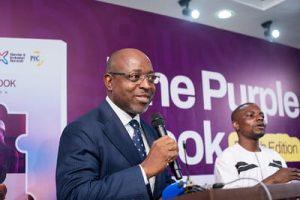
Speaking earlier on behalf of the Minister of State Finance Taiwo Oyedele, Albert Folorunsho highlighted that the effectiveness of Nigeria’s four landmark fiscal reforms—the Nigeria Tax Act, Nigeria Tax Administration Act, Nigeria Revenue Service Act, and Joint Revenue Board Act depends on proper implementation and active citizen participation.
“The real impact of reform will depend on implementation. Issues such as enforcement fairness, digital accessibility, disability inclusion, and taxpayer education will determine whether the promise of reform translates into real opportunity for those who need it most,” Folorunsho stressed.
From the Small-Scale Women Farmers Organisation in Nigeria, Comfort Sunday asked: “How are we going to participate? Because they say information is power, and we are not informed.”

Folorunsho clarified: “We have gone to churches, mosques, and communities to educate citizens. Women and farmers are being intentionally invited to public hearings, and their contributions are implemented. You must participate to make your voice count.”
From the media, the question of funding advocacy for proper citizens’ understanding had Folorunsho assuring: “We are simplifying tax education and materials for public understanding. Everyone, regardless of literacy level, can engage and make informed decisions.”
Responding to Dr Abia Udeme’s highlighted comprehension gaps, Folorunsho clarified: “The law is progressive. Low-income earners are virtually exempt from tax; high-income individuals contribute more. We are bridging the knowledge gap through public sensitisation.”
Representing the Joint National Association of Persons with Disabilities, Kenneth Echiche asked: “Importation of mobility materials for persons with disabilities… making hardware tax-free… please show me in the tax reform.”
Folorunsho confirmed that: “All disability-related equipment is fully exempt under the law. Women-led and informal businesses are supported. Implementation will ensure fairness and inclusion.”
He also addressed informal workers directly: “Income is profit, not turnover. Record keeping is critical. Personal income tax applies like any other individual, but the system ensures minimal burden on small-scale earners.”
The dialogue reinforced the imperative for Nigerians to actively participate in public hearings, advocate for inclusion, and engage with reforms. Folorunsho concluded that progressive taxation is not only about revenue, but about empowering citizens, expanding opportunity, and strengthening national development.