
 framework, describing it as a transformative tool for improving employability and driving economic growth.)
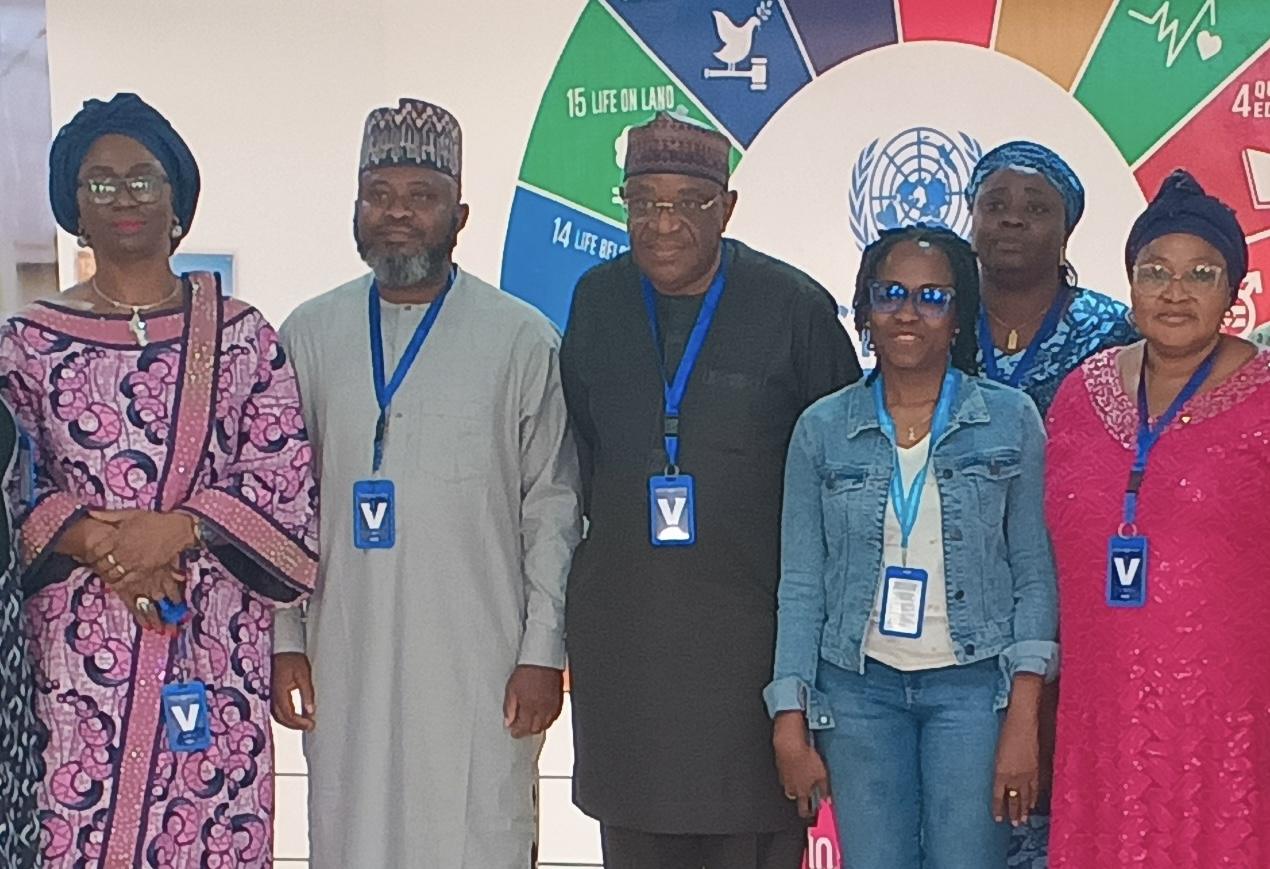
Key stakeholders in Nigeria’s education and technical sectors have called for the accelerated implementation of the Recognition of Prior Learning (RPL) framework, describing it as a transformative tool for improving employability and driving economic growth.
The call was made in Abuja, during a high-level seminar on Recognition of Prior Learning (RPL) organized by UNESCO under the Better Education for Africa’s Rise (BEAR III) Project, bringing together government officials, international partners, and industry leaders.
The Head of Office, United Nations Educational, Scientific and Cultural Organization (UNESCO) Abuja, Dr. Jean-Paul Ndome Abiaga, emphasized the importance of recognizing skills acquired outside formal education systems.
“We are gathered here not just as participants, but as partners in a shared mission—to recognize the existing knowledge and skills of learners across Nigeria,” he said.
The UNESCO Head of Office, represented by the Associate National Project officer, Ms. Oyebukola Tomori Adeleye, noted that the initiative aims to strengthen lifelong learning pathways within the Technical and Vocational Education and Training (TVET) system while building an inclusive and mobile workforce.
“These discussions are not abstract exercises—they translate directly into measurable impacts, opening opportunities for thousands of Nigerians to have their competencies formally recognized,” he said.
Adeleye added that the seminar also focused on aligning skills development with labour market demands, particularly in addressing youth unemployment.
“The key question is how we translate skills into employability and entrepreneurship for young people. Let us use this opportunity to build a system that recognizes skills, opens opportunities, and strengthens the future of the Nigerian workforce,” he added.
Certification
In his remarks, the Director Technical Trade Division, National Board for Technical Education (NBTE) Kaduna, Jaafar Garba, described RPL as a critical mechanism for integrating experienced but uncertified workers into the formal economy.
“We have master craftsmen who can do and undo in any professional area, but what they lack is certification. Without certification, there is no way they can fully participate in the formal sector,” he said.
Mr. Garba, revealed that since the introduction of RPL in 2025, over 500 candidates have already been assessed, with trained assessors deployed nationwide.
“We have made tremendous progress in less than a year, thanks to strong collaboration and government support,” he added.
Also speaking, the Director of Technology and Science Education, Patricia Ogungbemi, highlighted the role of RPL in bridging the gap between informal skills and formal qualifications.
“Recognition of Prior Learning will change the narrative by validating competence, enhancing employability, and promoting lifelong learning,” she said.
She stressed the need for inclusivity, particularly for rural workers and artisans, noting that certification could serve as a passport to better opportunities.
On his part, the Chairman, Sector Skills Council for Agriculture, Onalo Akpa, underscored the challenges faced by experienced workers without formal credentials.
“We have highly skilled individuals who are pushed out of the system simply because they lack certificates. This leads to frustration and contributes to underdevelopment in critical sectors”, he said.
He cited examples from the agricultural industry, where experienced technicians are often overlooked in favour of formally educated but less skilled individuals.
“If we get this right, we will not only restore dignity to labour but also unlock the full potential of our economy,” Akpa added.
Participants at the seminar agreed that stronger collaboration between government agencies, training institutions, and the private sector is essential for the success of the RPL framework.
The initiative is expected to improve workforce readiness, promote inclusivity, and support Nigeria’s growing youth population, which accounts for over 70 percent of the country.