


The Director General of the National Environmental Standards and Regulations Enforcement Agency (NESREA), Professor Innocent Barikor, has reaffirmed Nigeria’s commitment to denying safe haven to wildlife criminals, following the arrest of a fugitive trafficker, Shamsideen Abubakar.
Abubakar was apprehended after evading law enforcement for five years, following a joint coordinated operation involving NESREA, Nigeria Customs Service (NCS), and the Wildlife Justice Commission (WJC), marking a significant development in Nigeria’s fight against illegal wildlife trade.
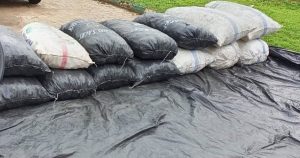
The earlier operation also resulted in the seizure of more than 1,000 kilograms of pangolin scales in the Ikeja area of Lagos, south-west Nigeria, described as one of the largest wildlife product seizures recorded in the country.

Abubakar, identified as a key figure in a transnational wildlife trafficking network, was arrested during the latest enforcement operation, which authorities say reflects sustained intelligence sharing and cooperation among Nigerian agencies and international partners.
READ ALSO: NESREA Reaffirms Commitment to Wildlife Protection
Professor Barikor explained that NESREA, in collaboration with its partners, will continue to pursue, arrest, and prosecute offenders to the fullest extent of the law.
“Every seizure, every arrest, and every conviction will be followed through with unwavering commitment until this illicit trade is eradicated,” he said.
According to him, “NESREA remain resolute on this, and will ensure that every seizure, every arrest, and every conviction is pursued with unrelenting commitment until this illicit trade is eradicated from our shores.”
He noted that the successful operation was made possible through strategic partnerships, intelligence sharing, and coordinated enforcement efforts among agencies.
Professor Barikor explained that the arrest is expected to further weaken already disrupted wildlife trafficking networks operating within Nigeria and across international borders, adding that it also sends a strong message that law enforcement agencies are intensifying efforts to track down and prosecute individuals involved in environmental crimes.
Wildlife trafficking remains a major threat to biodiversity, with species such as pangolins widely trafficked for their scales facing severe population decline due to illegal trade.
The latest development reinforces Nigeria’s zero-tolerance stance on wildlife crime and highlights its growing role in global efforts to combat environmental trafficking networks.