

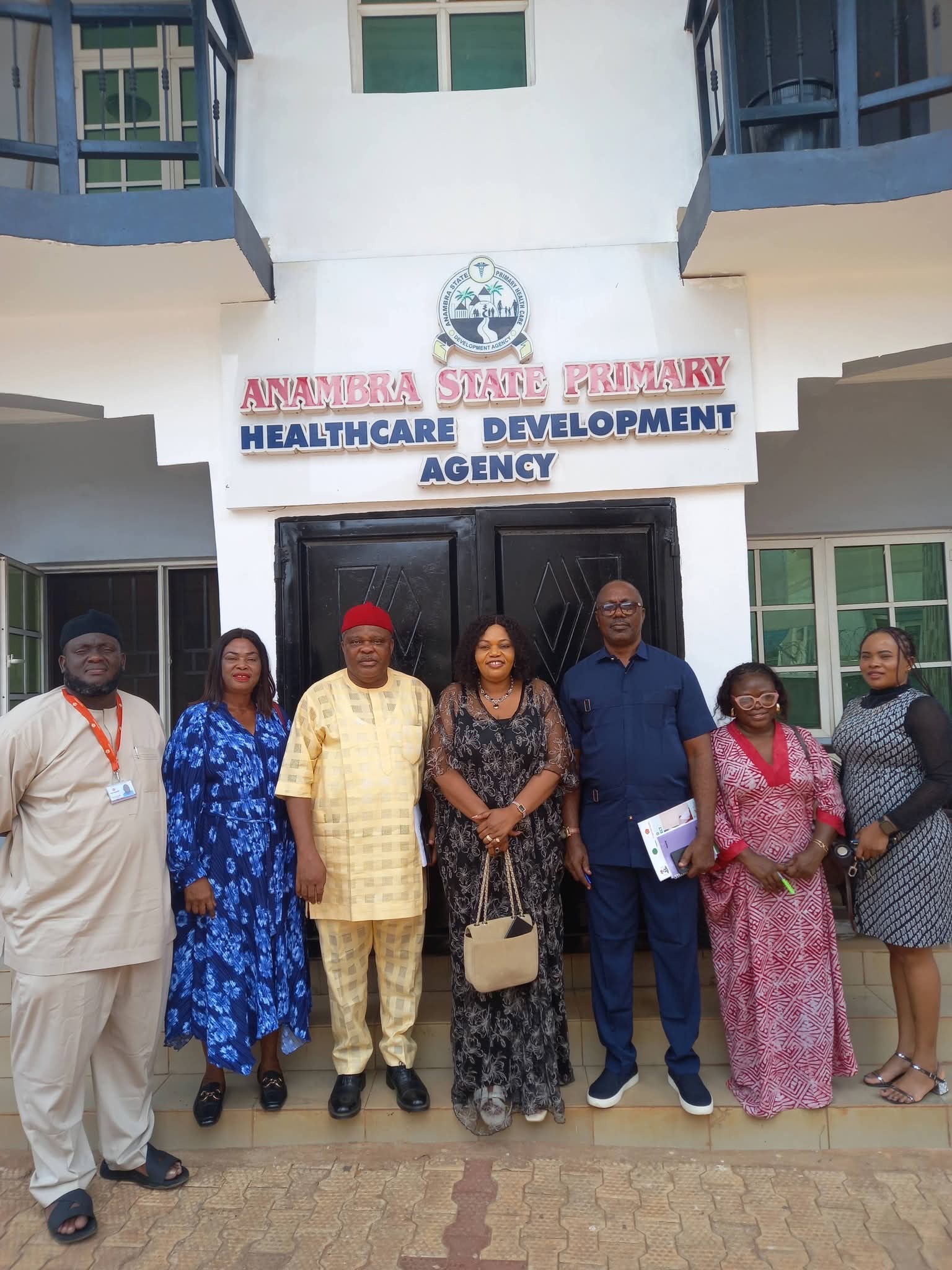
Health Authorities in Anambra State, South-east Nigeria, have announced plans to expand family planning training for healthcare workers in the second quarter of 2026.
The aim is to strengthen primary healthcare services and improve maternal and child health outcomes.
The Executive Secretary of the Anambra State Primary Healthcare Development Agency (ASPHCDA), Chisom Uchem said that “the state is putting measures in place to ensure the smooth implementation of the programme, which will target providers across primary and secondary health facilities.”
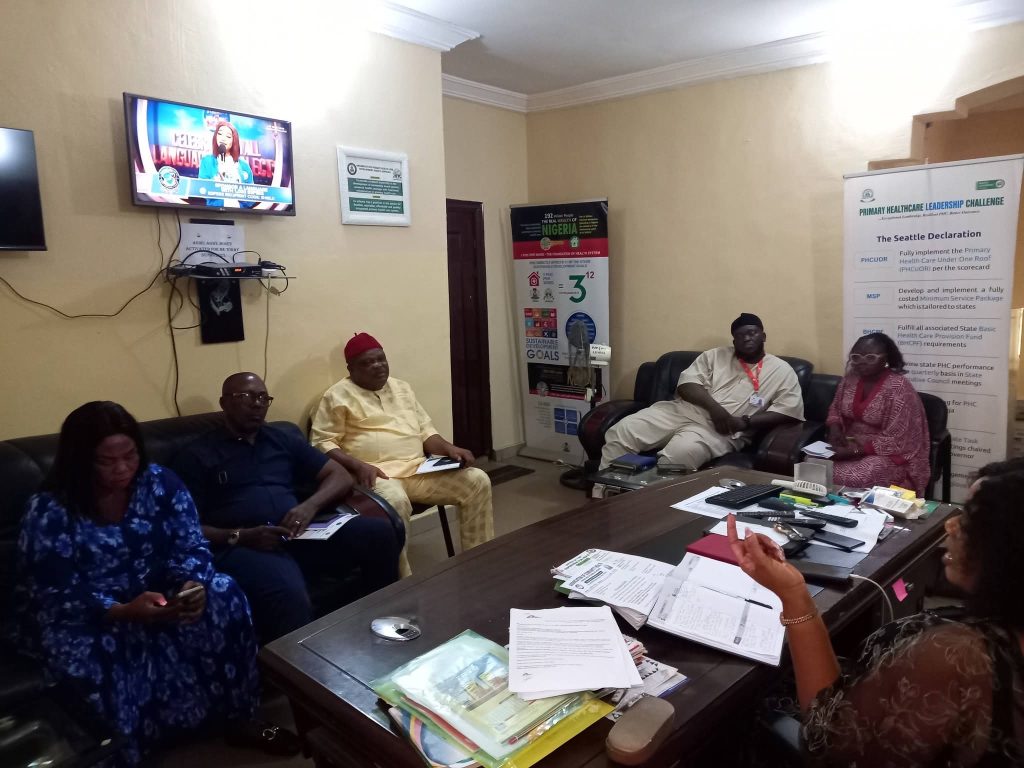
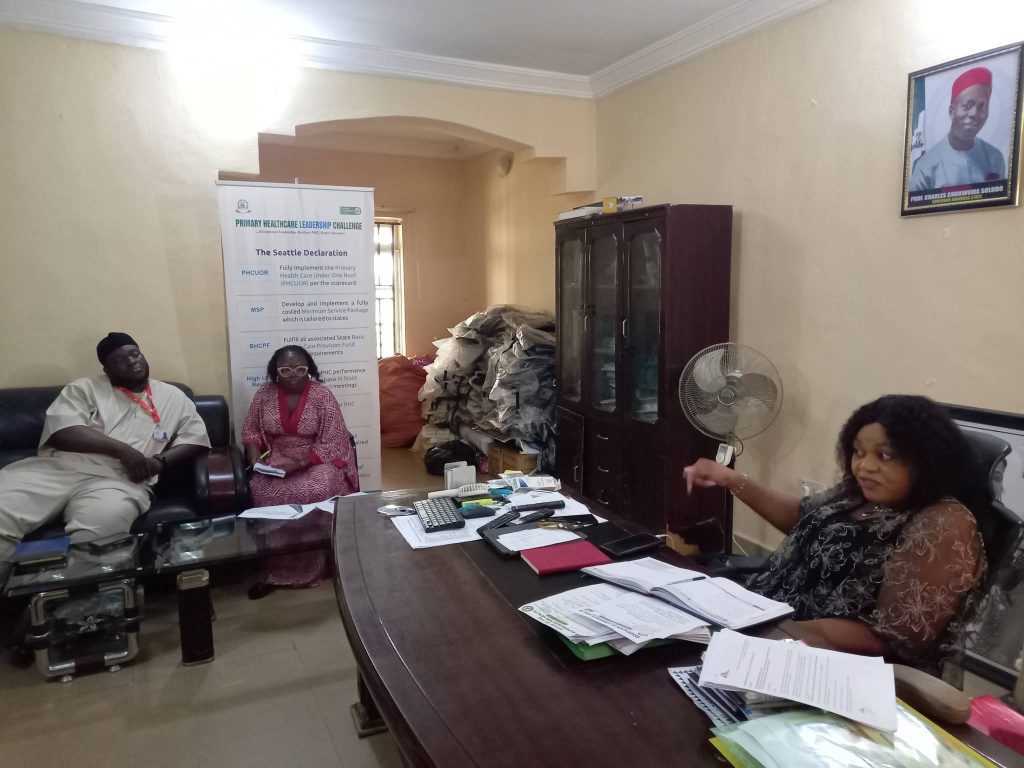
Uchem spoke during a meeting with a multi-agency delegation comprising officials from the Federal Ministry of Health, Nigeria; the National Primary Health Care Development Agency; the Anambra State Ministry of Health; and EngenderHealth.
The training is designed to strengthen the capacity of frontline health workers to deliver safe, rights-based and evidence-driven family planning services, an essential component of strategies to reduce maternal mortality and unintended pregnancies.
According to the World Health Organisation, “family planning enables individuals and couples to determine the number and spacing of their children, a key factor in preventing high-risk pregnancies and improving overall reproductive health.”
Reaffirming the state’s commitment, Uchem said family planning remains central to public health advocacy in Anambra.
“We encourage families to have the number of children they can adequately care for, in line with available resources and overall well-being,” she said.
She noted that the state government has introduced a range of social interventions to support maternal and child health, including free antenatal care, skilled birth services, postnatal care, routine immunisation, and access to publicly funded education from early childhood through secondary school.
Public health experts say “integrating quality antenatal and postnatal care with effective family planning services can significantly reduce complications such as haemorrhage, infection, and other leading causes of maternal deaths, particularly in low- and middle-income countries.”
Officials from the Federal Ministry of Health stressed the importance of coordination between national and state health systems to ensure effective delivery at the community level.

The Director of Health Promotion at the ministry, Mr John Umakpa called for an enabling environment to support implementation, noting that “primary healthcare workers play a critical role in expanding access to services in rural and underserved areas.”
Also speaking is the Head of Family Planning at the ministry, Alex Ugochukwu highlighted the broader health and socio-economic benefits of family planning.
“Family planning is a proven, cost-effective intervention that can reduce maternal mortality by up to 30 per cent. It allows women to safely space pregnancies, improves child survival, and enhances women’s overall wellbeing,” he said.
Ugochukwu added that improving awareness and access to accurate information at the grassroots level remains essential to addressing misconceptions and increasing uptake of services.
Representatives of EngenderHealth urged the timely release of counterpart funding by the state government to support implementation, including procurement of commodities, training logistics, and monitoring.