


The Emir of Kano, Muhammadu Sanusi II, has called on Nigerian universities to take the lead in shaping national policies, particularly in artificial intelligence, as part of efforts to strengthen higher education and national development.
He made the call at the Biennial Conference of the Committee of Pro-Chancellors of State-Owned Universities in Nigeria (COPSUN) held in Kano, where he underscored the strategic role of universities in driving innovation and governance reforms.

“Universities must go beyond teaching to actively contribute to public debates on governance, the economy, science, and technology,” he stated, stressing the need for institutions to shape national discourse.
READ ALSO: VP Shettima Praises MIT’s Impact on Global Innovation
Sanusi highlighted global trends in artificial intelligence, citing Ghana as an example of a country already implementing a national AI strategy aimed at training youth and driving innovation.
He challenged Nigerian institutions to develop a comprehensive framework that would position the country competitively in the evolving technological landscape.
“The importance of academic freedom and the role of intellectuals in sustaining a vibrant civil society,” he warned, noting that the absence of independent scholarship could weaken democratic checks and balances.
Representing Governor Abba Kabir Yusuf, the Chief of Staff, Dr Suleiman Wali Sani, reaffirmed the state government’s commitment to strengthening tertiary education through sustained investments in infrastructure, research, and human capital development.
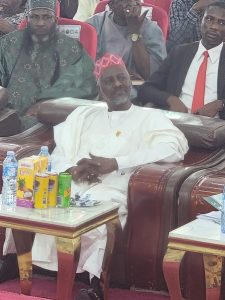
He said Kano State had prioritised education as a key driver of economic growth and social transformation.
According to the governor’s address, the state had undertaken major upgrades across its tertiary institutions, including Kano University of Science and Technology and Northwest University Kano, focusing on improved facilities, digital learning, and staff development initiatives.
He added that the government is promoting digital transformation through the introduction of e-learning systems, smart classrooms, and expanded internet access aimed at preparing students for global competitiveness in a knowledge-driven economy.
In his remarks, the Chairman of COPSUN, Ayodeji Omole, described the conference as a critical platform for policy dialogue, collaboration, and strategic planning among university leaders.
He noted that state-owned universities play a vital role in national development but face persistent challenges such as inadequate funding, infrastructural deficits, and rising demand for quality education.
Omole stressed the need for stronger collaboration among governing councils to ensure policy coherence, improve institutional governance, and address systemic issues affecting the university system.
He also underscored the importance of embracing innovation and leveraging artificial intelligence to enhance administration, research, and learning outcomes.
The conference, themed around artificial intelligence and university governance, brought together pro-chancellors, vice-chancellors, policymakers, and other stakeholders to deliberate on the future of higher education in Nigeria.
Participants expressed optimism that the deliberations would yield actionable recommendations to reposition state universities for greater impact, innovation, and global relevance.